When Armor Became Music
Feb 27, 2026
「EP.116」
MYOCHIN HIBASHI
Hyogo Prefecture
「transcript」
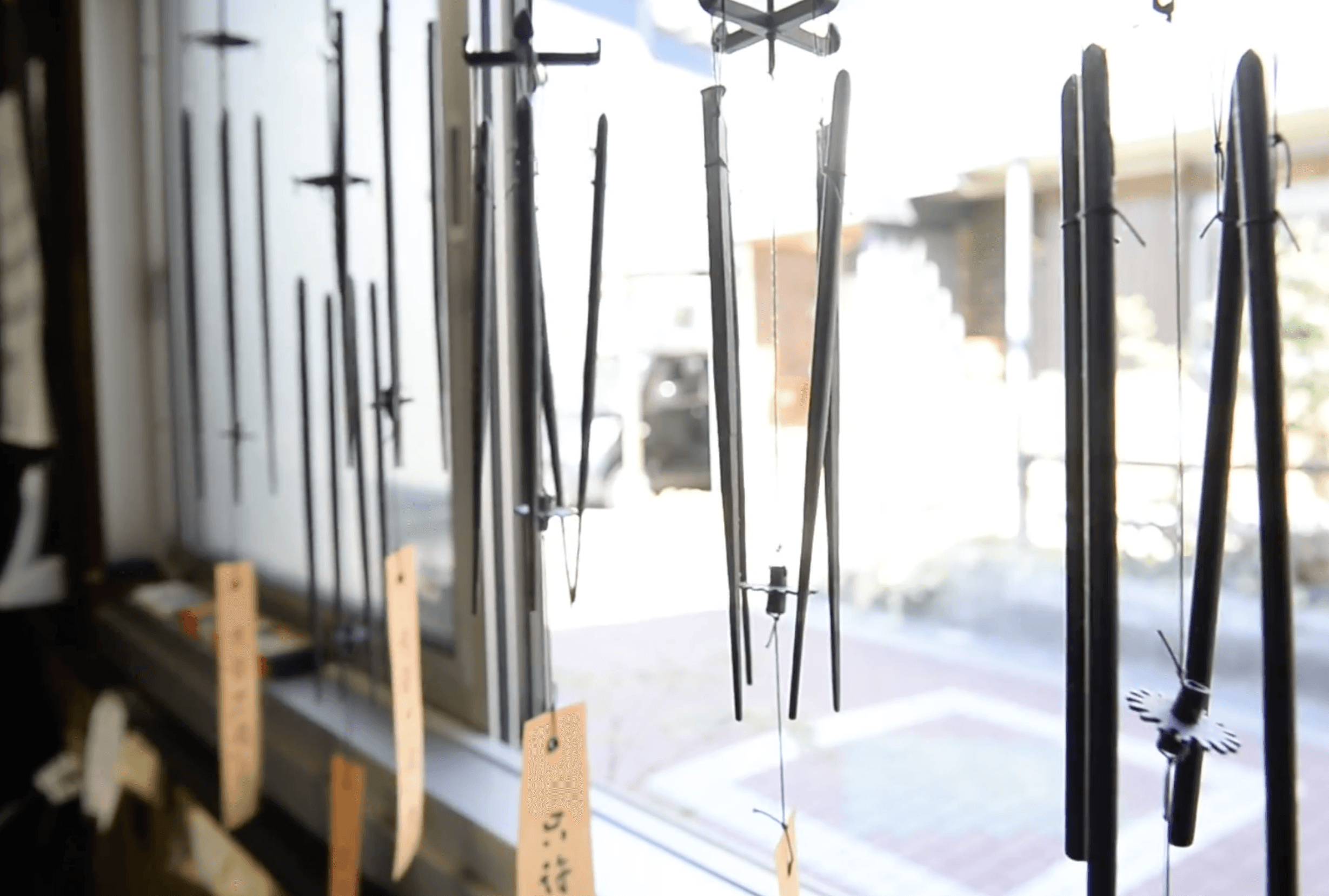
The Myochin (明珍) family has forged armor for over 800 years, serving emperors and warlords with metal said to resist both blades and bullets. When the samurai era ended the 48th generation survived by turning those same forging skills to hibashi (火箸), iron fire tongs once found in every household.
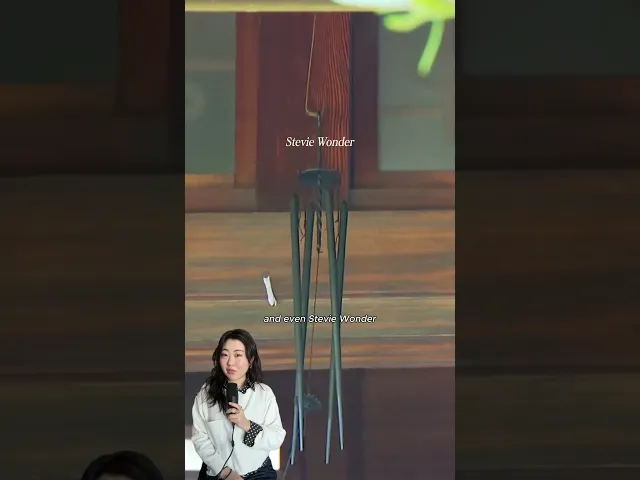
However, after World War II, charcoal vanished from daily life and demand collapsed again, prompting the 52nd generation to suspend four hibashi to create the Myochin Hibashi wind chime. Its tone is clear, layered, and haunting enough to attract musicians like Isao Tomita (冨田勲) and even Stevie Wonder.
Making Myochin Hibashi is pure forging. Iron is heated to around 1500°C and hammered thousands of times, shifting from square to octagonal to round entirely by hand. This controls the metal’s internal tension, which shapes its resonance. Then, each hibashi is carefully evaluated and picked to see which ones resonate perfectly with each other, something no machine can replicate to this day.
Today the craft keeps evolving. Tamahagane (玉鋼) steel used for katanas deepens resonance, while titanium opens new possibilities in bells, instruments, and architectural sound objects.
*The assets featured here are the work of their rightful creators, credited below
「sources & assets」
https://www.youtube.com/watch?v=niBp5SWrvK0
https://www.youtube.com/watch?v=j55SjK1lFrc
https://www.youtube.com/watch?v=PFQEUFTzKEk
https://www.youtube.com/watch?v=rb5PVoSnVsA
https://myochinhibashi.blogspot.com/2015/07/blog-post_14.html