The Flame That Doesn’t Drip
Mar 9, 2026
「EP.119」滋賀の和ろうそく
SHIGA WAROSOKU
Shiga Prefecture
「transcript」
Waxes first arrived from China in the Nara period, and by the Edo era Japan had shaped its own candle: the warosoku, made from haze tree wax.
With Lake Biwa linking Kyoto and Osaka, Shiga became a natural hub, close to temple demand and backed by Ōmi merchant trade networks.
Each candle is still handmade using 100% domestic plant wax, primarily haze and sometimes rice bran.
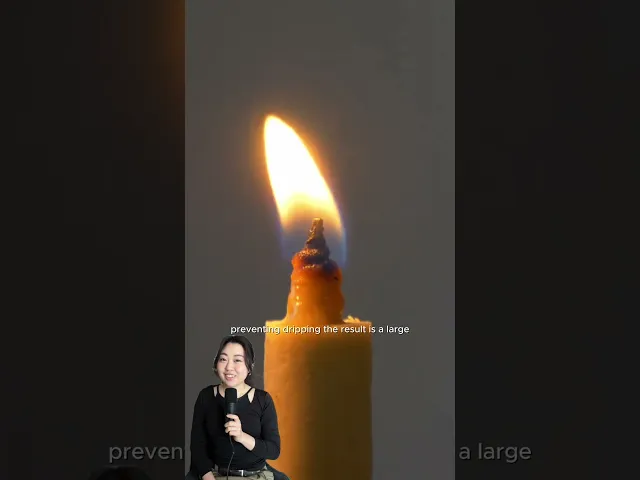
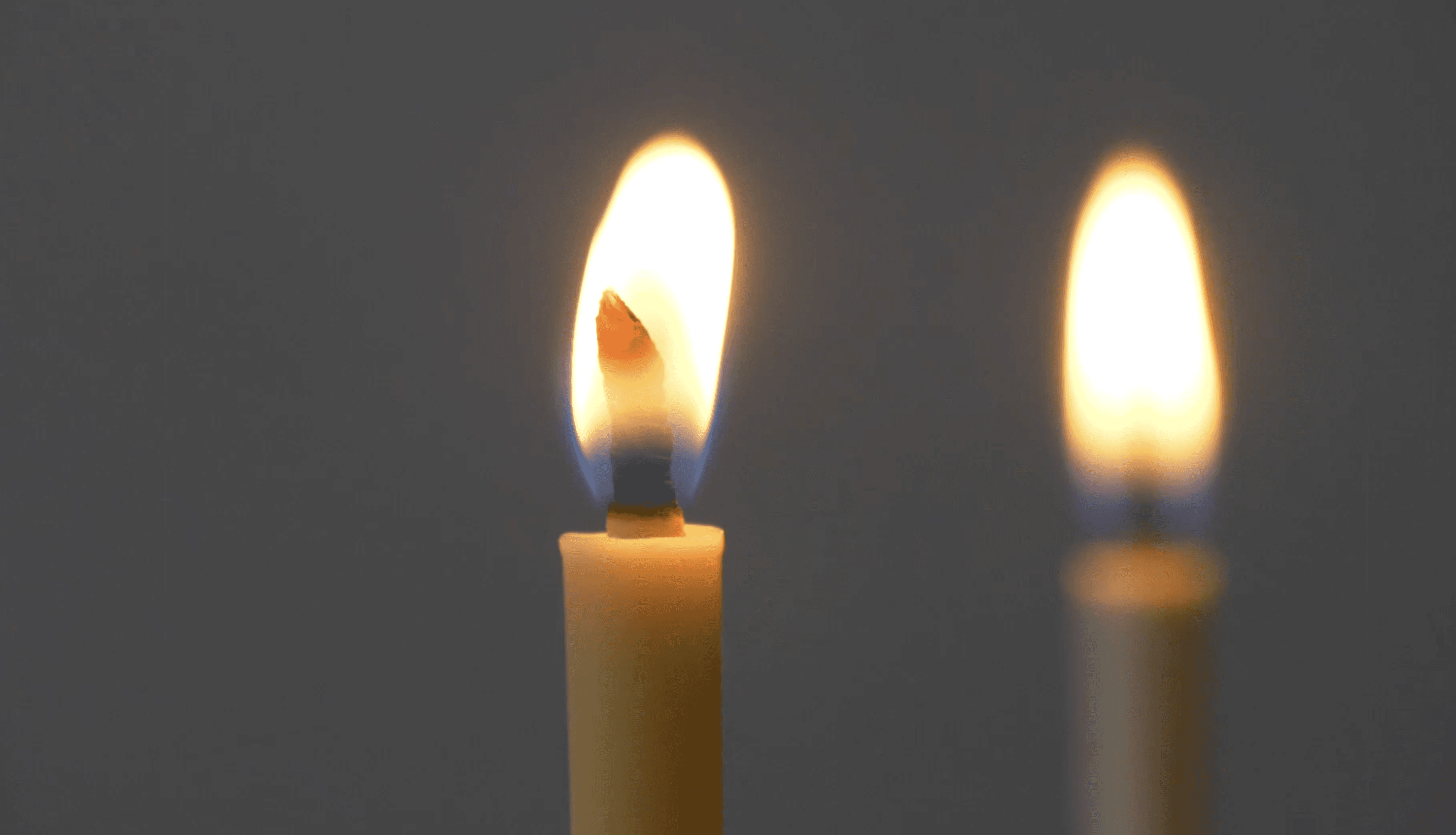
Unlike petroleum-based paraffin candles, warosoku use a thick washi-and-rush wick that absorbs melted wax efficiently, preventing dripping. The result is a large, steady orange flame with almost no soot or smell, gently flickering like a small bonfire.
Artisans build each candle by repeatedly coating the wick with melted wax, adjusting by hand for temperature, humidity, and timing. The balance between body and wick determines how it burns, a skill that takes decades to master. Today, only a handful of craftspeople can perform the full traditional hand-coating method.
International demand has grown rapidly. In Europe and the United States, where candles are part of daily dining culture, plant-based Japanese candles appeal to environmentally conscious consumers.
*The assets featured here are the work of their rightful creators, credited below
「sources & assets」
https://www.youtube.com/watch?v=EBNmy4HCrS4
https://www.youtube.com/watch?v=_mSN2BqY1Es
https://www.youtube.com/watch?v=FOTFpcSio-I
https://www.facebook.com/watch/?v=29441084338869393
https://www.hanakaido.co.jp/megurushiga/shopping/836/
https://suzukaen.co.jp/warousoku/daiyo/
https://note.com/deepcarelab/n/n920d027c0cf7