Woven by Snow and Time
Mar 23, 2026
「EP.123」奥会津編み組細工
WOVEN BY SNOW AND TIME
Fukushima Prefecture
「transcript」
In snow-covered Okuaizu(奥会津), Fukushima, winter meant no farming. Instead, people gathered wild plants from the mountains and wove them into everyday tools. Fragments from the Arayashiki ruins(荒屋敷遺跡) show this practice dates back over 2,500 years to the Jomon period, with techniques passed down ever since.
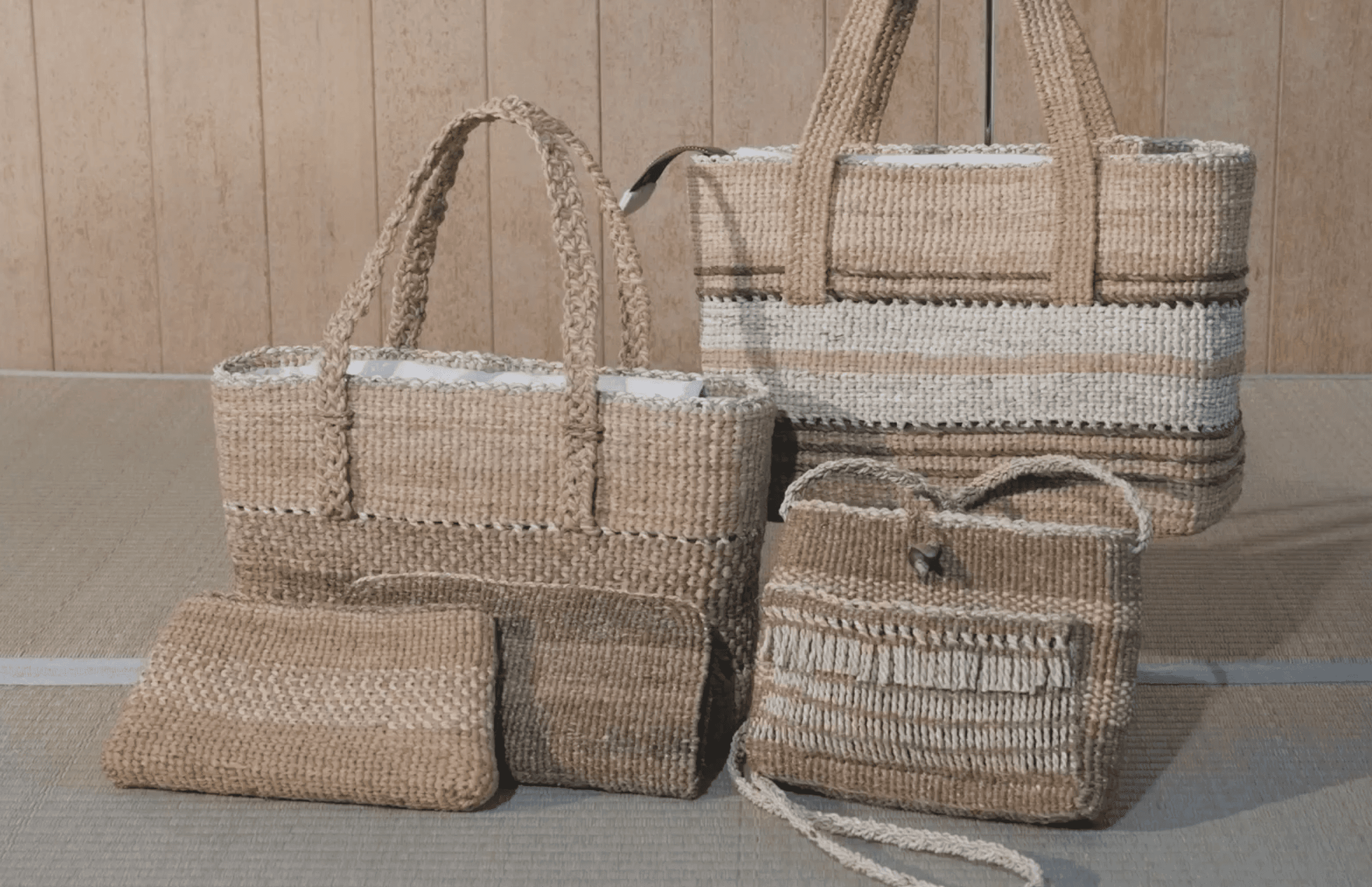
Everything begins in the wild. Artisans harvest their own materials, selecting each plant for its strength and flexibility. Because each plant is chosen based on its purpose, Okuaizu Amikumizaiku is unique in utilizing different materials.
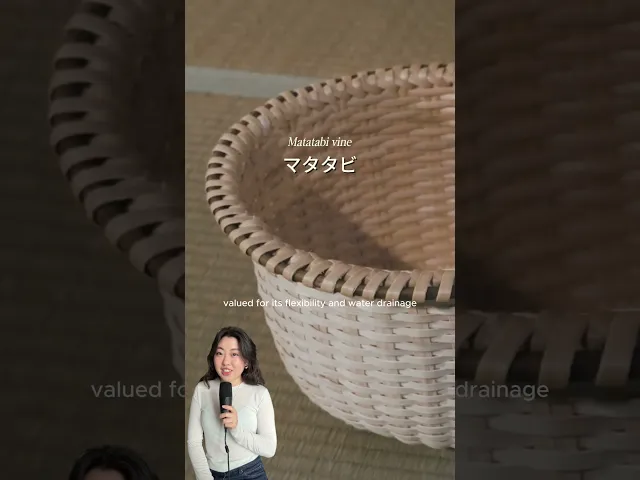
Hirolo(ヒロロ) creates fine, lace-like baskets. Yamabudo(山ブドウ) produces strong, durable pieces that deepen in sheen over time. Matatabi(マタタビ) is used for kitchen tools, valued for flexibility and water drainage.
After harvesting, the material is stripped, split, shaved, and woven by hand using techniques like ajiro-ami(網代編) and yotsume-ami(四つ目編), building from base to rim.
The final step is exposure to wind and snow, naturally strengthening and gently bleaching the piece.
Though the craft declined in the 1960s, efforts like Mishima’s "Living Craft Movement"(三島町生活工芸運動) revived it's production.
Today, over 100 artisans continue the tradition, adapting it into both everyday tools and modern design pieces rooted in nature.
*The assets featured here are the work of their rightful creators, credited below
「sources & assets」
https://www.youtube.com/watch?v=8O6HSlCNtkA
https://www.youtube.com/watch?v=QBXTrVznwJU
https://www.youtube.com/watch?v=AyFCvLvvdMA
https://www.youtube.com/watch?v=QIUZG0pSudY
https://www.youtube.com/watch?v=z6UbcqUWQsc
https://kogeijapan.com/locale/ja_JP/okuaizuamikumizaiku/
https://www.okuaizu-amikumi.jp/amikumi/
https://www.tohoku.meti.go.jp/s_densan/fukusima_04.html