The Stone That Burns to Life
Apr 3, 2026
「EP.125」若狭めのう細工
THE STONE THAT BURNS TO LIFE
Fukui Prefecture
「transcript」
Over 1,300 years ago, the Wani people shared sacred stones near a shrine in Onyū, marking the beginning of gemstone craftsmanship in Japan.
In the Edo period, Takayama Kichibei refined the technique into agate bead making, which later evolved into detailed carvings of animals, plants, and religious forms, collectively called Wakasa Meno Zaiku.
What defines this craft is fire.
Agate is heated to around 200–300°C, causing iron within the stone to oxidize and turn a deep, translucent red. This “yaki-ire” process creates its signature glow.
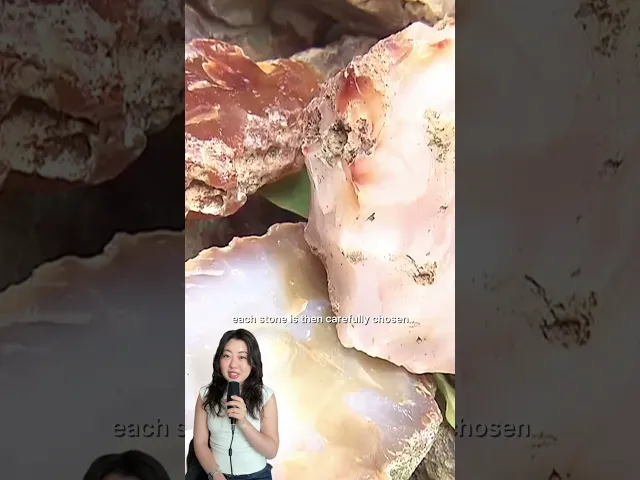
Each stone is then carefully chosen, cut, and fired multiple times to bring out its best color.
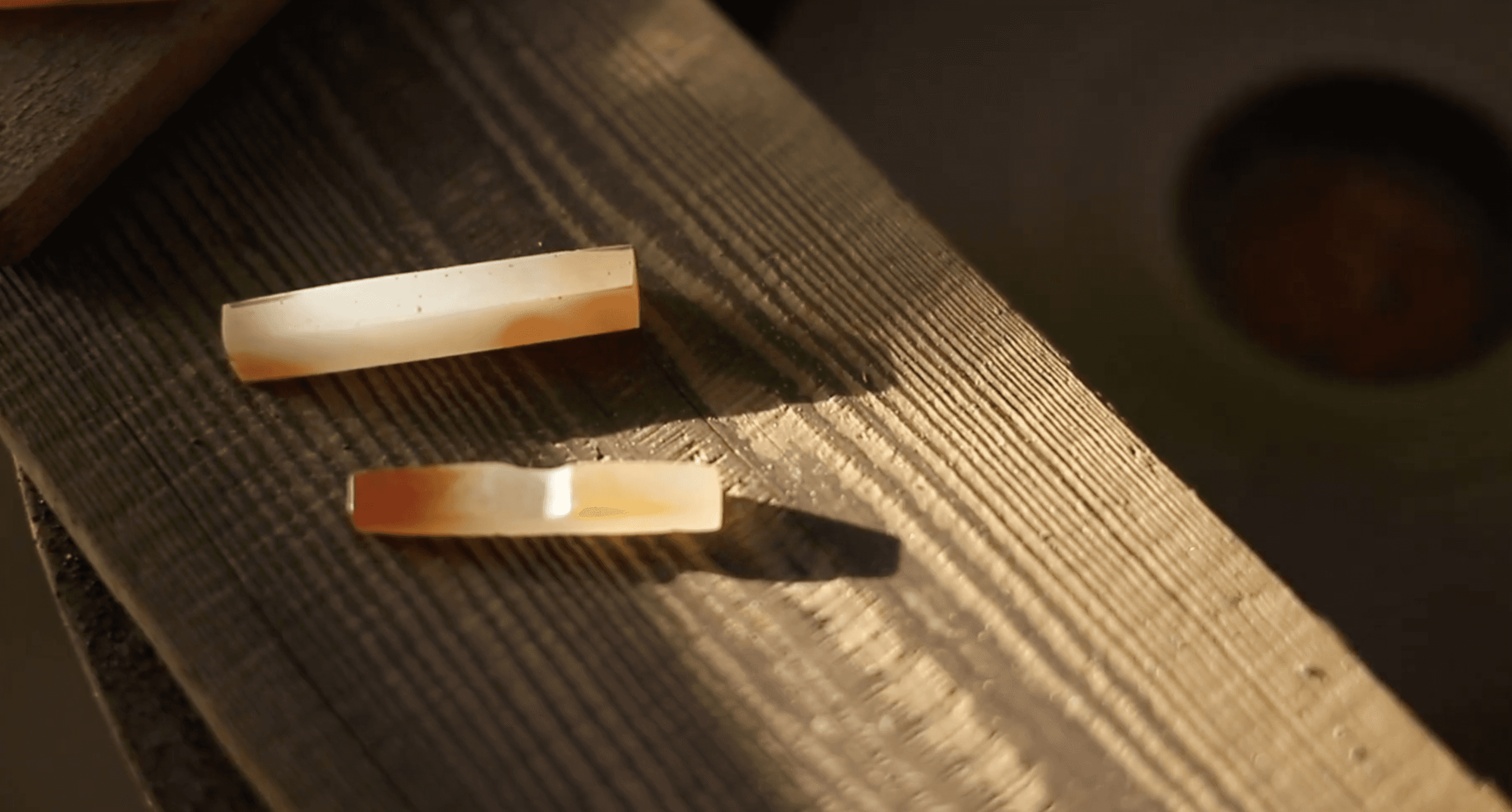
Artisans carve the extremely hard stone using simple tools, then refine it through stages of grinding. The final polishing, which can take weeks, reveals the stone’s inner depth and transparency.
Traditionally used for religious objects and ceremonial gifts, Wakasa Meno Zaiku is now found in jewelry, tea ware, and interior pieces.
Though once supported by hundreds of artisans, only a few remain today. Still, its value continues to grow, recognized globally and designated as a traditional craft in 1976.
*The assets featured here are the work of their rightful creators, credited below
「sources & assets」
https://www.youtube.com/watch?v=qOD8sN8_QYc
https://www.youtube.com/watch?v=9vsVhjpYspQ
https://www.youtube.com/watch?v=JqLjc-QbcW0
https://www.youtube.com/watch?v=OXYmsDvGn5k
https://kougeihin.jp/craft/1202/
http://wakasa-koubou.com/traditional
https://www.jrview-travel.com/content/sp/hokuriku/article/craft_6.html
https://www.gift-hokuriku.jp/post/132925428139/1300年の伝統が作る輝き