The Ink That Built Japan
May 18, 2026
「EP.131」奈良墨
THE INK THAT BUILT JAPAN
Nara Prefecture
「transcript」
It all comes down to one ingredient: nikawa (膠), an animal glue used to bind the soot. It's so heat-sensitive that production can only happen in colder months.
The craft goes back to 610, when ink-making arrived from China and Korea and took root in Nara, around temples like Kofuku-ji (興福寺). The real shift came centuries later, when artisans moved from pine soot to plant oils like rapeseed and sesame, creating yuenboku (油煙墨), a finer ink with a deeper, glossier black.
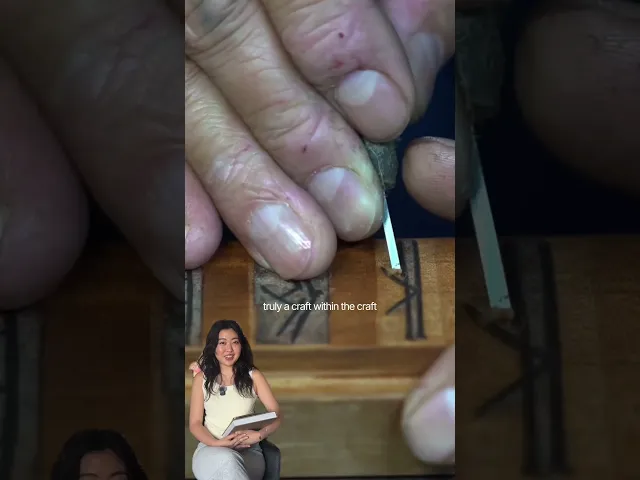
Here's how it's made. Soot is collected from oil burned under a lid and mixed with nikawa and fragrance. Then the dense mass is pressed into hand-carved wooden molds, some engraved with hundreds of characters.
A craft within a craft.
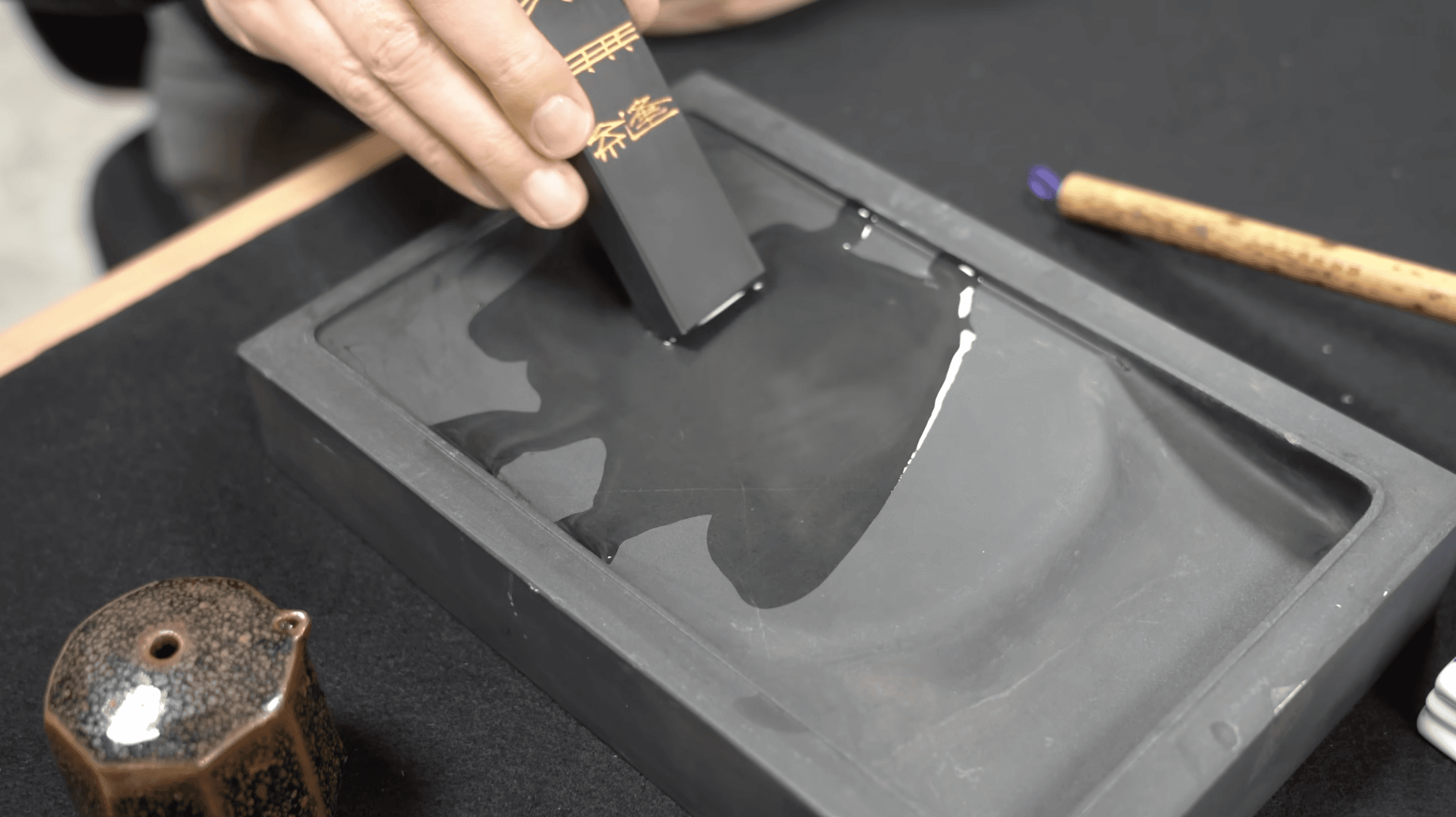
Then it's dried slowly in ash and aged for months. That slow aging is what gives Nara Sumi its layered black, sometimes revealing subtle blue or purple tones depending on how it's ground.
And the fragrance? It was originally added to mask the smell of the glue. But over time, it became part of the ritual itself, meant to calm the mind during writing.
Today Nara Sumi has moved beyond function, into calligraphy, and art. Still made by hand. Still only in winter.
*The assets featured here are the work of their rightful creators, credited below
「sources & assets」
https://www.youtube.com/watch?v=sk6HjPHjo7k
https://www.youtube.com/watch?v=-_if-Zh7XXg
https://www.youtube.com/watch?v=_dZisB6Bpko
https://www.youtube.com/watch?v=QvPYjC-9suY
https://www.youtube.com/watch?v=go7BUUC2Pms
https://www.youtube.com/watch?v=DPEf6BrDbKc
https://kogeijapan.com/locale/ja_JP/narasumi/
https://story.nakagawa-masashichi.jp/craft_post/114129