The Flute Built From a Root
May 25, 2026
「EP.133」尺八
THE FLUTE BUILT FROM A ROOT
Gunma, Chiba, Akita, etc. Prefecture
「transcript」
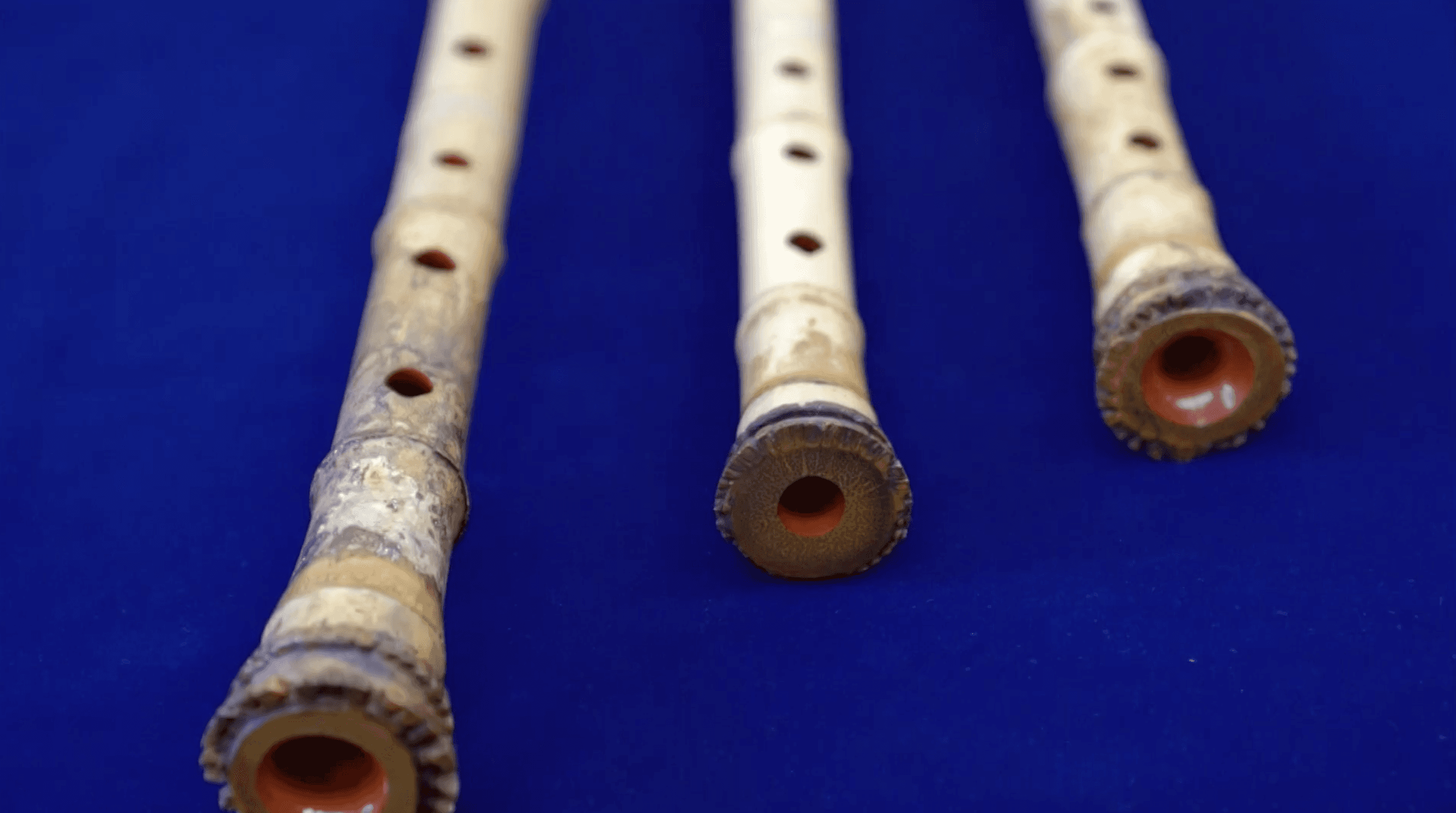
The root of the bamboo is harder, denser, and grows wild underground. Every root curves differently, narrows differently, and resonates differently. That structural variation is what gives each shakuhachi its own voice from the moment the maker selects it.
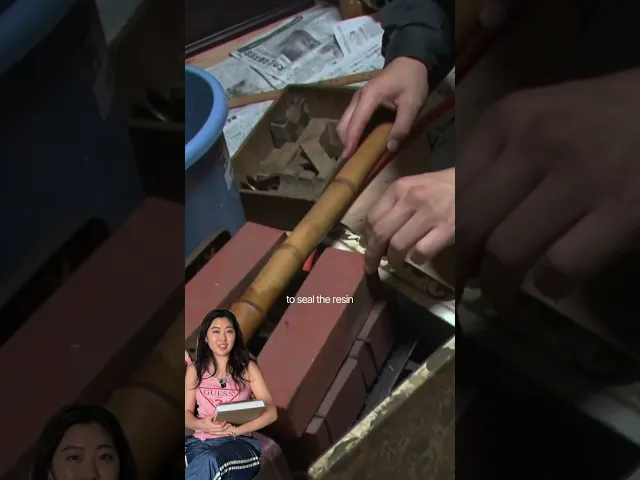
The maker starts by choosing madake (真竹) bamboo with the right curve and node placement. It is fire-cured over hot coals to seal the resin, then dried for one to three years before any cutting begins.
It is then cut, hollowed, and joined at the nakatsugi (中継ぎ). The finger holes and the sharp blowing edge, the utaguchi (歌口), are carved by hand.
Then comes the slowest stage. The maker shaves the interior and lacquers it millimeter by millimeter, test-playing between passes. A single flute can take weeks to months to finish.
Before the Meiji Restoration, only the wandering komuso (虚無僧), monks of the Fuke sect, could legally play this flute, using it for suizen, meditation through breath, not music. When their sect was abolished in 1871, the shakuhachi finally moved into public hands.
*The assets featured here are the work of their rightful creators, credited below
「sources & assets」
https://www.youtube.com/watch?v=qWFAd3MI9uU
https://www.youtube.com/watch?v=jRwU3Kpa38k
https://www.youtube.com/watch?v=hyOC64D4aUw
https://www.youtube.com/watch?v=kKRakziEheQ
https://www.youtube.com/watch?v=JFdTvSnqytQ
https://wa-gokoro.jp/news/wagakki-bamboo-flute-112/
https://shakuhachi-kaitori.info/how-to-make/
https://www.cougetukai0115.net/cont4/63.html
https://akihitoobama.wixsite.com/thelightinthesilence/post/尺八の歴史と工法について
https://www.tozanryu.com/introduction/shakuhachi/shakuhachi01/
https://fuke-shakuhachi.com/jp/rekishi/
https://www2.ntj.jac.go.jp/dglib/contents/learn/edc6/edc_new/html/501_shakuhachi.html