
Japan’s Most Intricate Dyeing Technique
Dec 8, 2025
「EP.96」 京鹿の子絞
KYO KANOKO SHIBORI
Kyoto
「transcript」
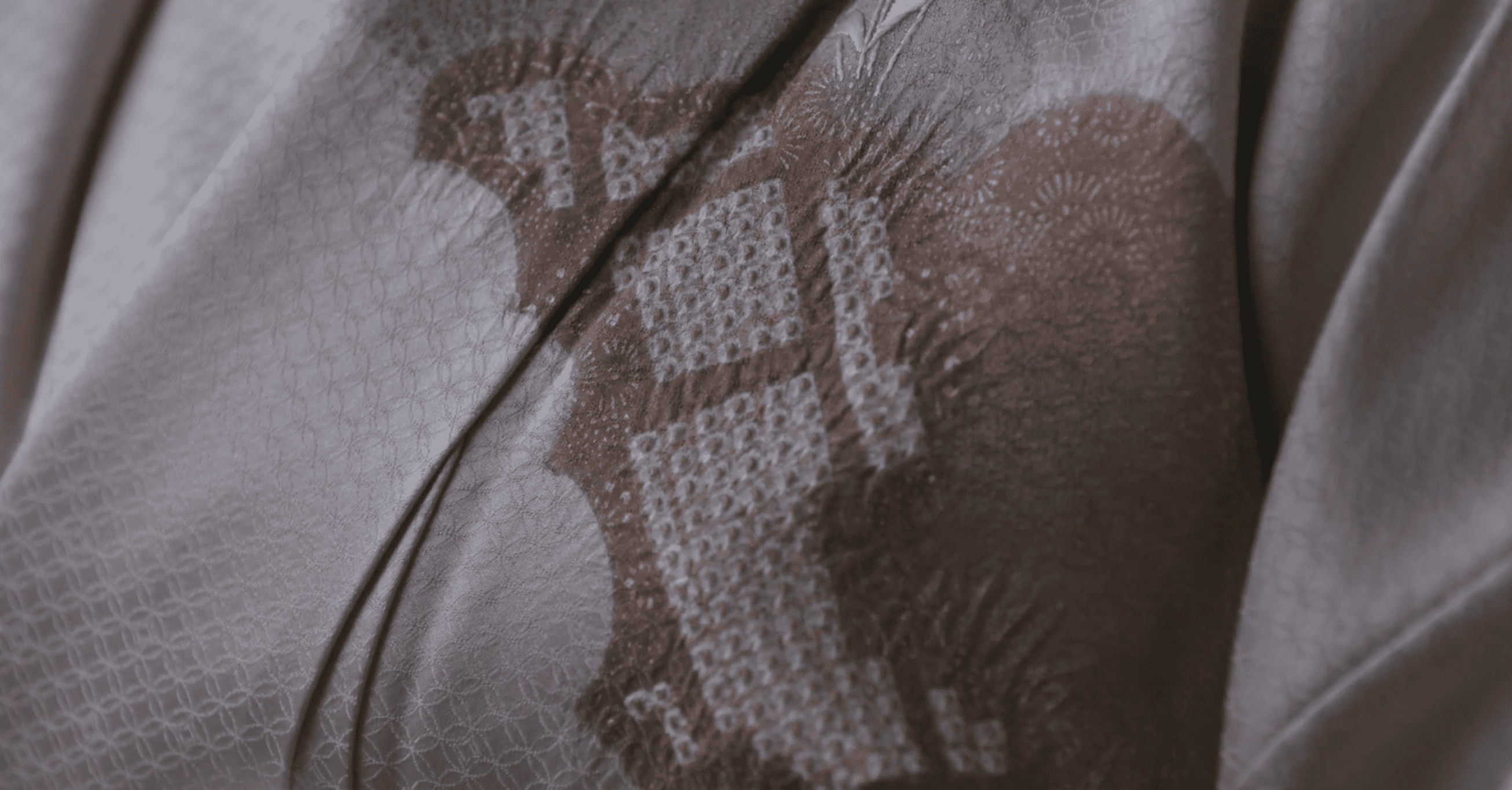
Shibori arrived in Japan over a thousand years ago and later flourished in Kyoto as the Kanoko (鹿の子) style, named for patterns resembling the spotted backs of child deer. By the Edo era, these lavish shibori-dyed kimono became so prized that the shogunate imposed sumptuary laws to restrict extravagant dress. Even then, artisans quietly safeguarded and refined the craft.
The signature tying technique used is called the hitta shibori (疋田絞り), where a master pinches a tiny piece of silk, folds it, and wraps silk thread around it several times. Each knot must be made uniformly so the dots appear even after dyeing, and the tension of the thread is crucial. Too loose, and the dye seeps in; too tight, and the silk may tear. A single kimono can hold 150,000–200,000 of these knots, each tied by hand.
Once dyed, the knots are released, revealing raised patterns that even artisans cannot see until the final moment.
Today, Kyo Kanoko Shibori moves beyond kimono, appearing in scarves, accessories, and interior pieces, and its soft texture and rhythmic grains finding new life in modern design, with brands like bunzaburo embracing it.
*The assets featured here are the work of their rightful creators, credited below
「sources & assets」
https://www.youtube.com/watch?v=wlGL0Bhlw0E
https://www.youtube.com/watch?v=_1UvLabIKeE
https://www.youtube.com/watch?v=n5Djf3DSElQ
https://www.youtube.com/watch?v=SHEjVSQV2EA
https://www.youtube.com/watch?v=7viSBTTgzXA
https://www.youtube.com/watch?v=T_gyISQKh5k
https://www.youtube.com/watch?v=boxAZ9gtDug
https://www.youtube.com/watch?v=T0xSwR0TJ_Q
https://kogeijapan.com/locale/ja_JP/kyokanokoshibori/
https://kougeihin.jp/craft/0207/
https://kyokanoko-shibori.or.jp/features/
https://www.pref.kyoto.jp/senshoku/kanoko.html
https://shop.utatane.co.jp/blogs/topics/kyokanokoshibori_column
https://www.shibori.jp/history
https://furisode-hakubi.jp/blog/kyoto-tie-dye/
https://colocal.jp/topics/art-design-architecture/artscrafts/20150615_49760.html