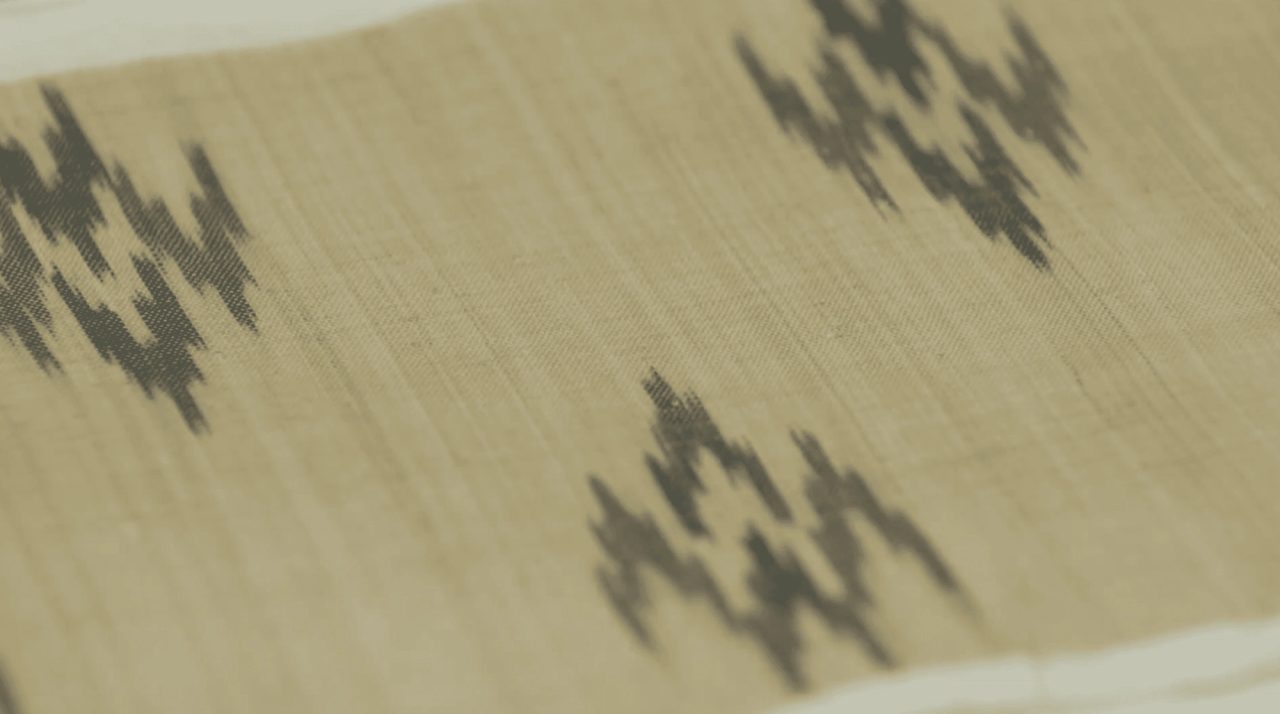
EP.56 · Bashōfu · Okinawa
The Dragonfly Wing Fabric
As early as the 13th century, the Ryukyu Kingdom in modern-day Okinawa developed a textile called Bashōfu , woven from banana plant fibers.
As early as the 13th century, the Ryukyu Kingdom in modern-day Okinawa developed a textile called Bashōfu , woven from banana plant fibers. Light, breathable, and firm, it's often called "dragonfly wings," perfect for Okinawa's hot, humid climate.
To make these, artisans grow the itobashō plant for three years before harvesting. The stems are peeled, boiled in wood ash lye, washed, scraped, sorted, and sun-dried. Then comes umui , the hand-joining of each strand into long threads with nearly invisible knots.
These threads are twisted, then tied in sections with banana bark fibers to block dye from certain areas, before being colored with indigo and acacia. They’re then carefully woven with constant misting to prevent breakage. After weaving, the fabric is washed, stretched, and polished for a smooth finish.
After WWII, Bashōfu nearly vanished. But Toshiko Taira , a wartime factory worker trained in folk craft, returned and revived the practice, re-establishing Bashōfu as a cultural heritage craft.
Today, only about 170 roll are made yearly, each holding Okinawan wisdom and spirit.
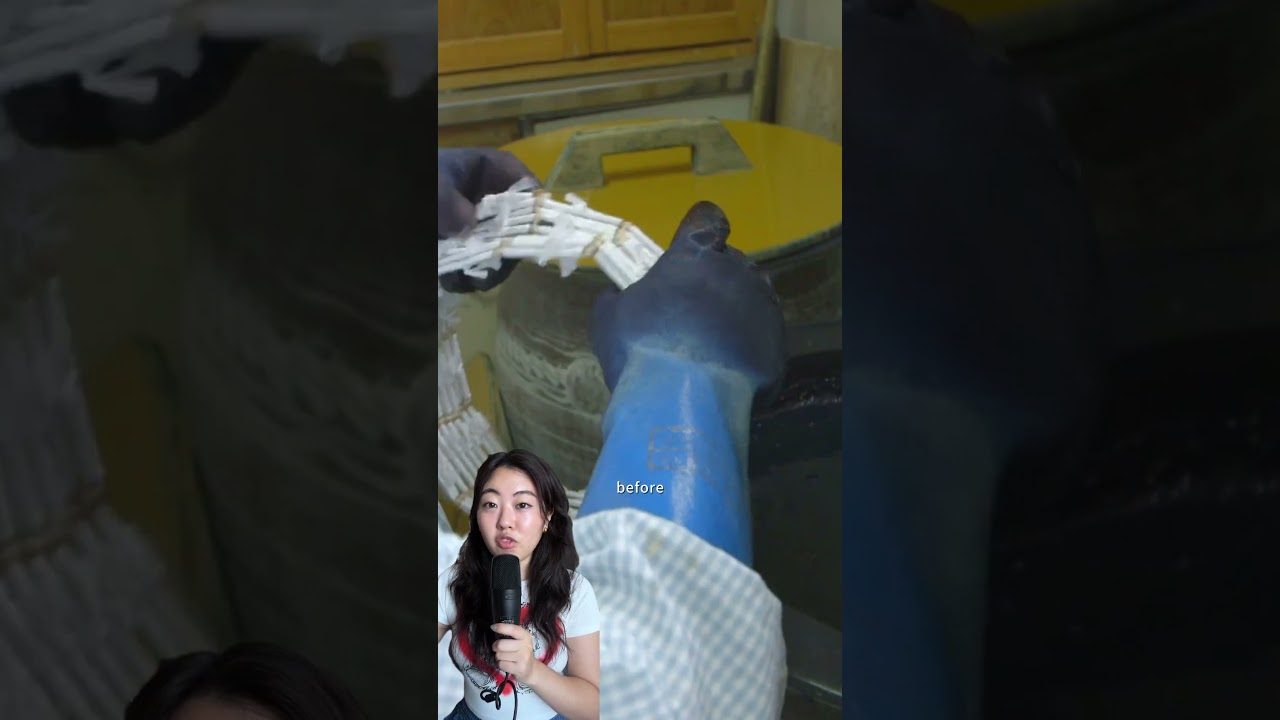
Craft Chronicles reaches people who care about how things are actually made.
Sources
- www.youtube.com/watch?v=GhRGyrYBLRA
- www.youtube.com/watch?v=LyzTz98VlAE
- www.youtube.com/watch?v=Ij7xxrBlpIo
- www.youtube.com/watch?v=lQP00Z4vJMo
- www.youtube.com/watch?v=Vp_wUWhsvCc
- www.youtube.com/watch?v=2PNtp2Hep7w
- www.youtube.com/watch?v=AQate2rqq8A
- bashofu.jp/about/
- bashofu.jp/production/
- bashofu.jp/design/
- kogeijapan.com/locale/ja_JP/kijokanobashofu/
- kougeihin.jp/craft/0133/
- www.vill.ogimi.okinawa.jp/soshiki/kanri/gyomu/gaiyo/profile/bashofu_village/704.html
- kimono-en.com/introduce/kijokabashofu/
- waknot.com/local/1595
- www.wb-ookura.com/column/22696/