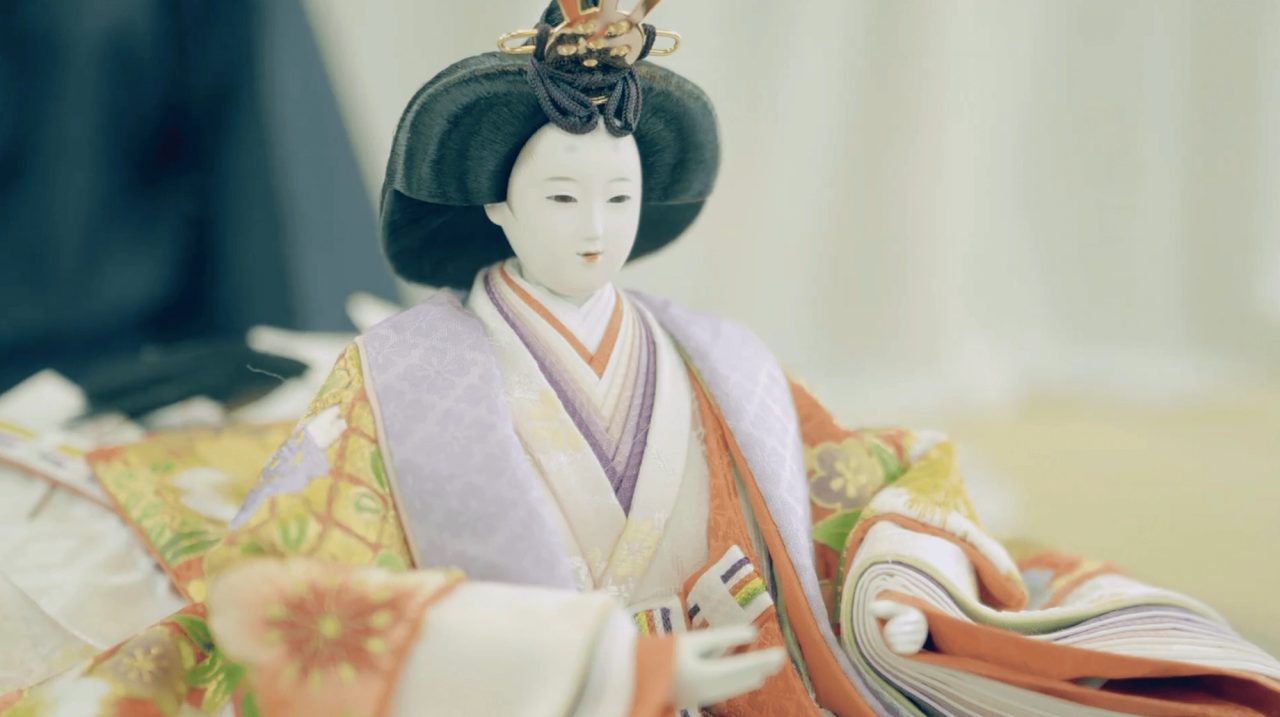
EP.94 · Iwatsuki Dolls · Saitama
Life and Culture Captured in Miniature
In the early Edo period, woodworkers traveling to repair the lavish shrine of Nikkō Tōshōgū settled in Iwatsuki, drawn by its abundant kiri (桐) wood.
In the early Edo period, woodworkers traveling to repair the lavish shrine of Nikkō Tōshōgū settled in Iwatsuki, drawn by its abundant kiri (桐) wood. A Kyoto monk‑artisan named Eshin (恵信) then discovered that leftover kiri sawdust mixed with glue created an ideal material for sculpting doll heads, laying the foundation for Iwatsuki to develop into Japan’s leading doll‑making town.
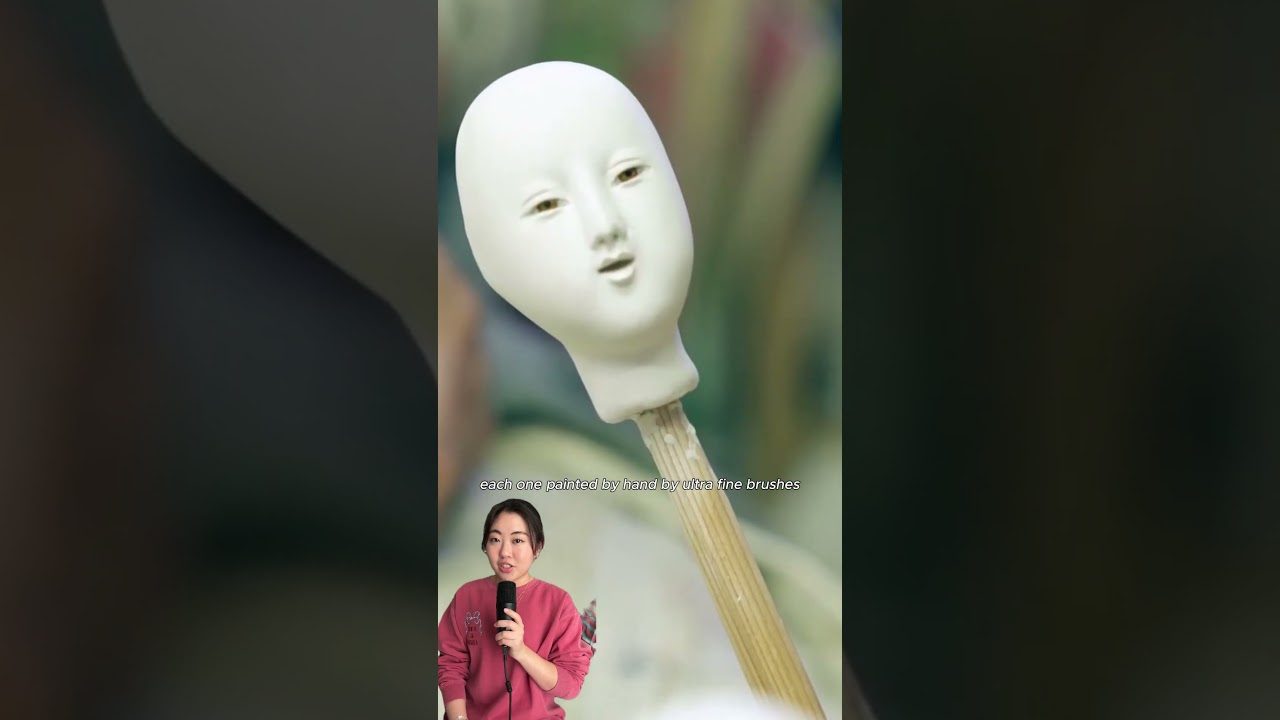
This mixture could be molded and carved freely, making it perfect for kimekomi, a technique where cloth is pressed into carved grooves to form clean, sculpted clothing. Over time, artisans refined not only this method but also the dolls’ expressions, each one painted by hand with ultra‑fine brushes.
The Iwatsuki dolls are not simply toys but detailed figurines that reflect the fashion and lifestyle of their era, often given as meaningful gifts for important life occasions. To preserve authenticity, even small accessories, from handheld fans to hair ornaments, are made using the same kinds of materials as historical originals. Today, artisans continue the tradition while reimagining it through minimalist displays and small, modern recreations of Japanese culture.
Craft Chronicles reaches people who care about how things are actually made.
Sources
- www.youtube.com/watch?v=AzqnofV0wJY
- www.youtube.com/watch?v=SCJg9nrPltY
- www.youtube.com/watch?v=FxA9NB6ydzo
- www.youtube.com/watch?v=J7cmViXVznQ
- www.youtube.com/watch?v=yDXl2iS4Naw
- www.youtube.com/watch?v=9jACGbSmEgM
- www.youtube.com/watch?v=4kSvm4T8UXU
- www.youtube.com/watch?v=uGPOIQmuGz4
- doll.or.jp/about/
- kogeijapan.com/locale/ja_JP/iwatsukiningyo/
- www.suzuki-ningyo.com/publics/index/95/
- www.koboku.co.jp/blog/?page_id=3129
- www.young-leaves.com/iwatsuki-dolls-tradition/
- www.thebecos.com/collections/iwatsuki-ningyo
- kogei-japonica.com/media/crafts/iwatsuki-dolls/
- www.tougyoku.com/hina-ningyou/column/hina-kazari/hinaningyou-seisanchi/