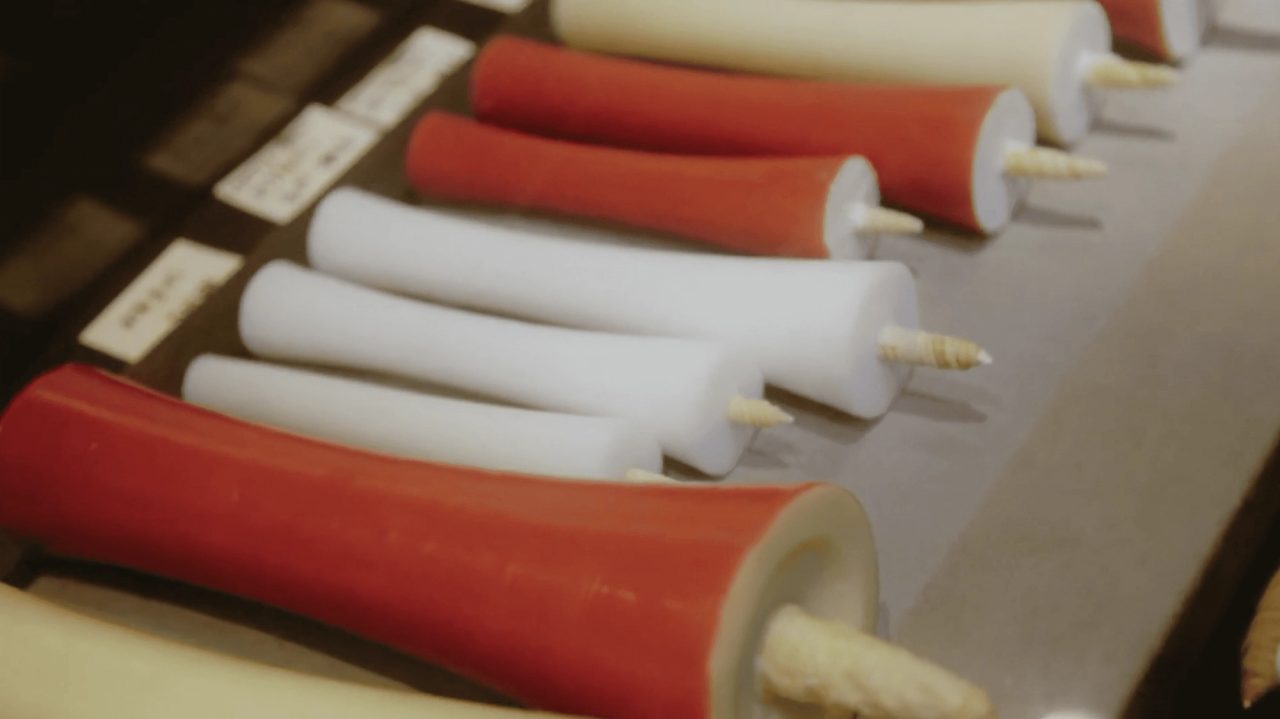
EP.66 · Nanao Japanese Candles · Ishikawa
Flames of Resilience
Candles came to Japan with Buddhism over 1,200 years ago, and by the Edo period, the production of Japanese wa-rousoku (和ろうそく) spread nationwide, especially to Nanao (七尾), Ishikawa, known for its Buddhist culture and washi.
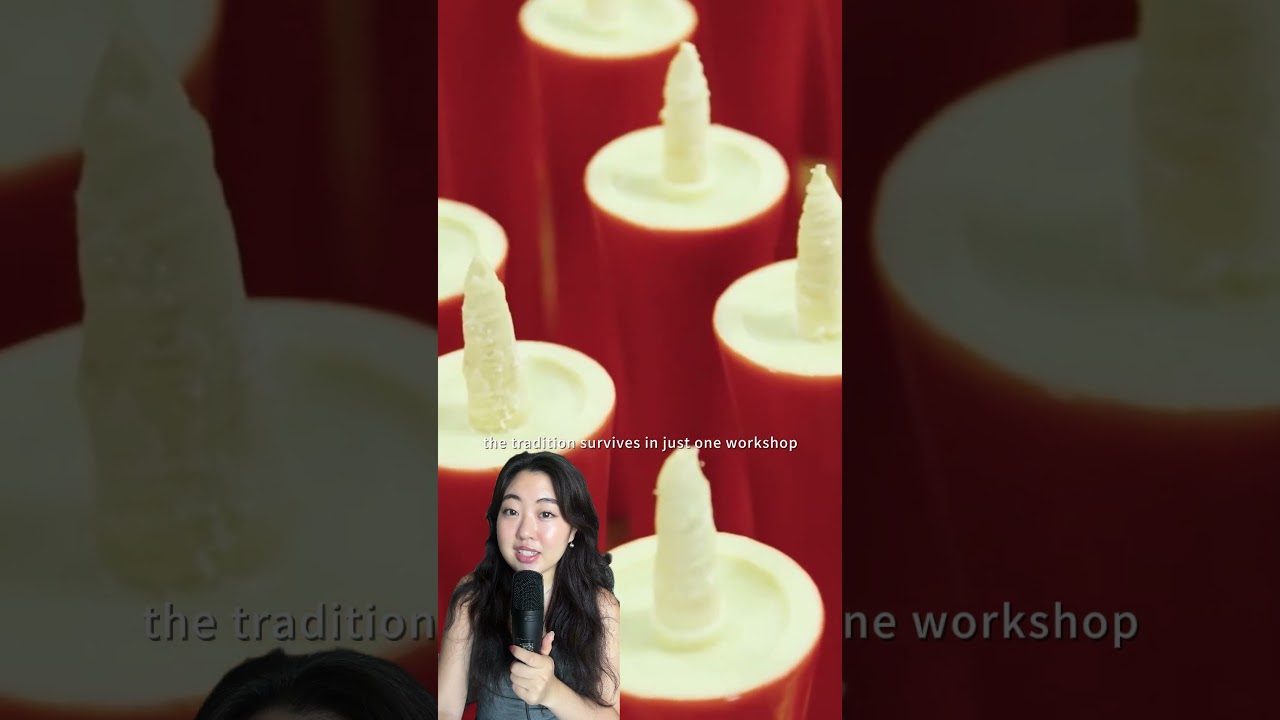
What makes wa-rousoku unique is their natural materials. They use plant-based waxes such as haze (櫨) nuts, rice bran, and rapeseed. Their hollow-core wicks of washi and lamp grass allow air to flow, producing a bright, wind-resistant flame that burns cleanly and flickers with a calming rhythm. There are also varieties such as e-rousoku (絵ろうそく) painted with seasonal flowers, used as substitutes for real blossoms in snowy months.
Today, while wa-rousoku are still made in several regions, in Ishikawa the tradition survives through just one workshop: Takazawa Candle (高澤), which still stands strong even after the 2024 earthquake destroyed their storefront. Their work also connects to Ishikawa’s lacquer heritage, reviving wax from lacquer tree berries and sustaining crafts like Wajima-nuri and Yamanaka-shikki.
Nanao Wa-Rousoku now burn not only as candles, but as symbols of fukkou (復興), or restoration, beloved in Japan and abroad for their resilient, calming flame.
Craft Chronicles reaches people who care about how things are actually made.
Sources
- www.youtube.com/watch?v=Fnd-lChBhUY
- www.youtube.com/watch?v=yMg2Agz7nvU
- www.youtube.com/watch?v=m0-Ulh9hhfk
- www.youtube.com/watch?v=qMi3Ge0RQiw
- www.youtube.com/watch?v=4TI5YqXdC_4
- www.youtube.com/watch?v=x4V9cHeZCiA
- takazawacandle.jp/index.html
- noto-satoyamasatoumi.jp/detail.php?tp_no=359
- kanazawa.hakuichi.co.jp/blog/detail.php?blog_id=131
- wa-gokoro.jp/traditional-crafts/413/
- www.aroma-taku.com/page/797
- takazawacandle.jp/pg4183017.html
- tsumugu.yomiuri.co.jp/feature/fukko-hikari-nanao-ishikawa/
- note.com/artandmore/n/nbd3783838be8
- note.com/uchida_t