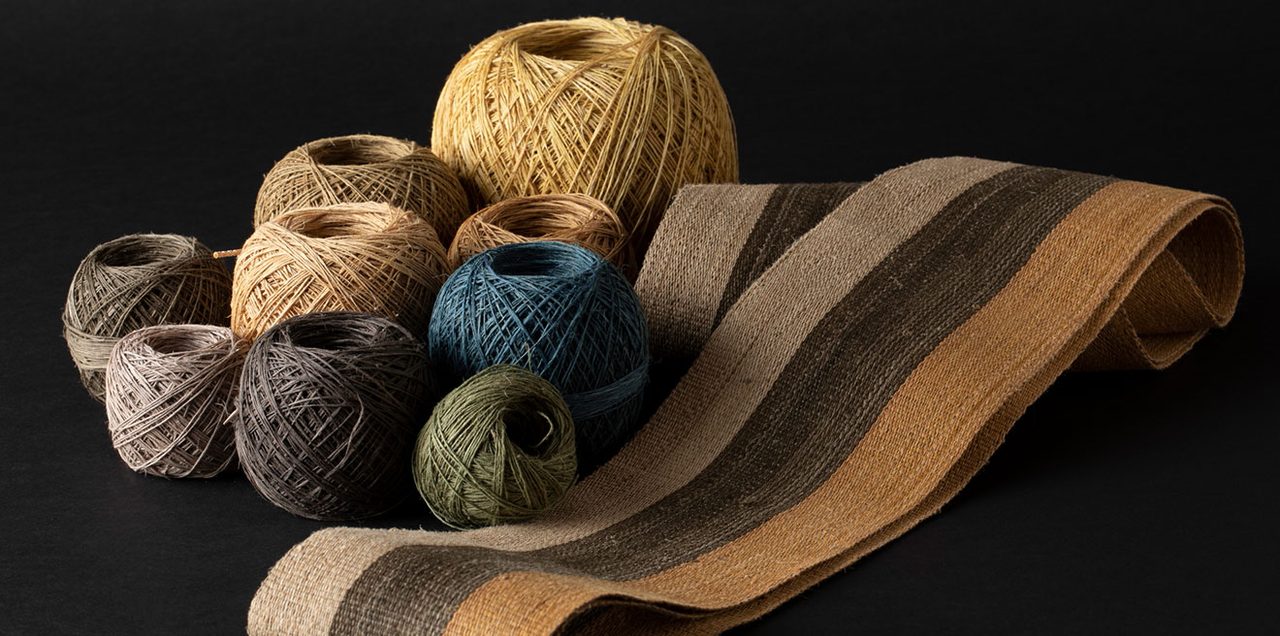
EP.1 · Nibutani Attus · Hokkaido
A Textile Made Out of Trees?
Nibutani Attus is a traditional Ainu bark textile from Hokkaido, Japan. Celebrated since the Edo period for its durability, this unique fabric remains a cherished heritage craft.
There are 1,456 traditional crafts in Japan, and I will be sharing each and every one of them. And we are starting with Nibutani Attus from the northernmost prefecture of Japan, Hokkaido.
Nibutani Attus is a unique textile deeply rooted in the traditions of the Ainu people, or the indigenous people in Hokkaido. The name "Nibutani" comes from the Ainu word Niputai , meaning “a place with dense forests,” where the materials for this craft lives.
This textile is made from the inner bark of trees like the ohyo (Manchurian elm), the process is incredibly historic and intricate. So here’s how they make it:
The bark is carefully stripped, boiled with wood ash, softened, and then spun into threads. These threads are woven on this unique loom, creating fabric that’s lightweight, breathable, water-resistant, and super durable.
Attus was originally crafted for Ainu people’s everyday clothing but later gained recognition for their functionality and beauty, and became a very sought-after trade item during the Edo period used by fishermen, sailors, and even in Kabuki costumes.
Fast forward to today, this craft is designated as a Dento Kogeihin, the Nibutani Craft Cooperative keeps this tradition alive, ensuring that Ainu culture and craftsmanship continue to live in the 21st century and more.
Craft Chronicles reaches people who care about how things are actually made.
Sources
- www.biratori-ainu-culture.com/en/craft/attus/#:~:text=Attus
- nibutani.jp/gallery/#gallery22
- www.nibutani-ainucraft.com/attus/
- kogeijapan.com/locale/ja_JP/nibutaniattoushi/
- www.youtube.com/watch?v=vzkYyY9mb0s
- nibutani-ainu-museum.com/
- www.kodomo.go.jp/gallery/edoehon/era/index.html
- mag.japaaan.com/archives/85688/2