EP.6 · Oitama Tsumugi · Yamagata
Oitama Tsumugi: Yamagata Silk Textile
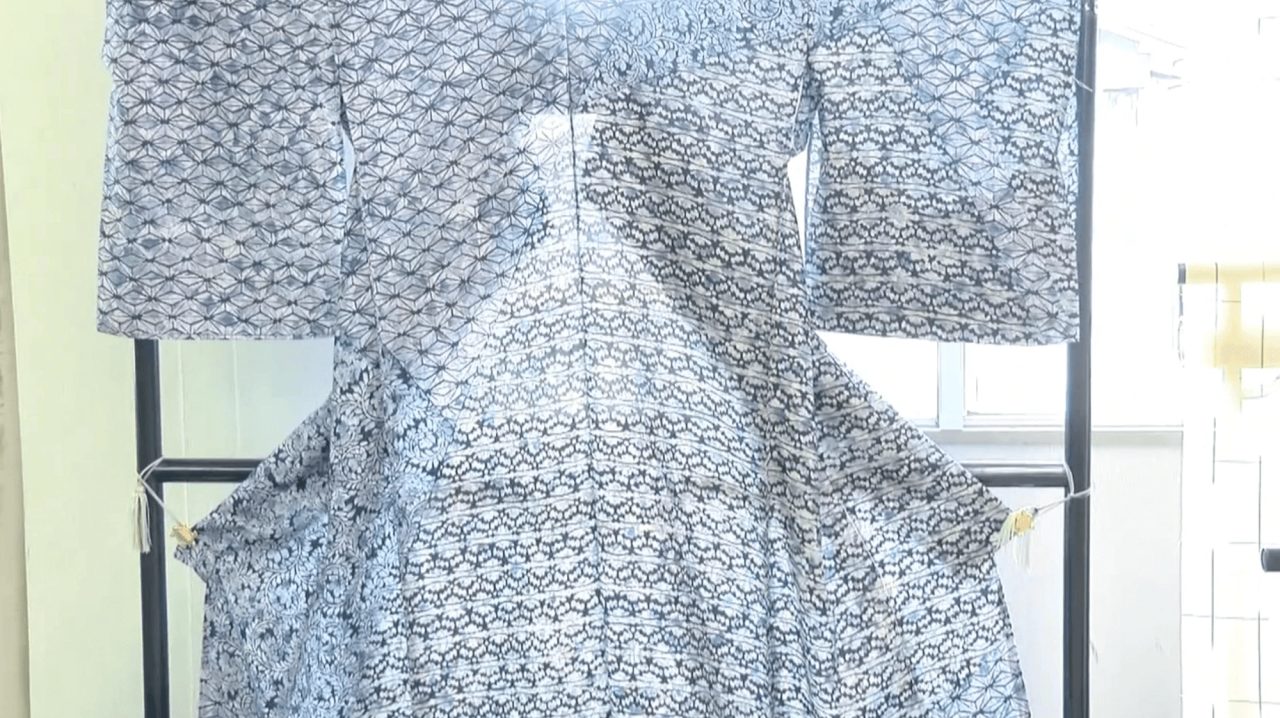
Oitama Tsumugi is a traditional Yamagata silk textile created with pre-dyed threads. Originating in the Edo period, it unites three regional weaving techniques into one national craft.
Oitama Tsumugi is a textile tradition from Yamagata Prefecture. The origins of this craft trace back to the Edo period, when the visionary feudal lord Uesugi Yozan championed silk production and invited master artisans from outside regions to refine local weaving techniques.
What sets Okitama Tsumugi apart is that all of its designs are created using pre-dyed threads, a technique that ensures intricate patterns are woven directly into the fabric rather than being added afterward. This method is complemented by hiraori, or plain weaving, which gives the textiles their smooth, lightweight structure.
Over time, the craft evolved into three subcategories based on each region: Yonezawa, Nagai and Shirataka, each developing its own distinctive methods while contributing to the broader identity of Oitama Tsumugi .
Starting in the south, Yonezawa Ori highlights the beauty of natural dyes, particularly safflower cultivated in this region, which produces soft, delicate color tones. Over the years, its weaving techniques have continuously evolved to suit modern styles and functionality, creating textiles that seamlessly blend heritage with contemporary fashion.
Moving a little north, Nagai Tsumugi is renowned for its intricate use of the kasuri technique, where threads are pre-dyed to form precise patterns during weaving. The standout feature here is the yoko kasuri (horizontal kasuri) method, requiring meticulous alignment of dyed threads, a hallmark of Nagai craftsmanship.
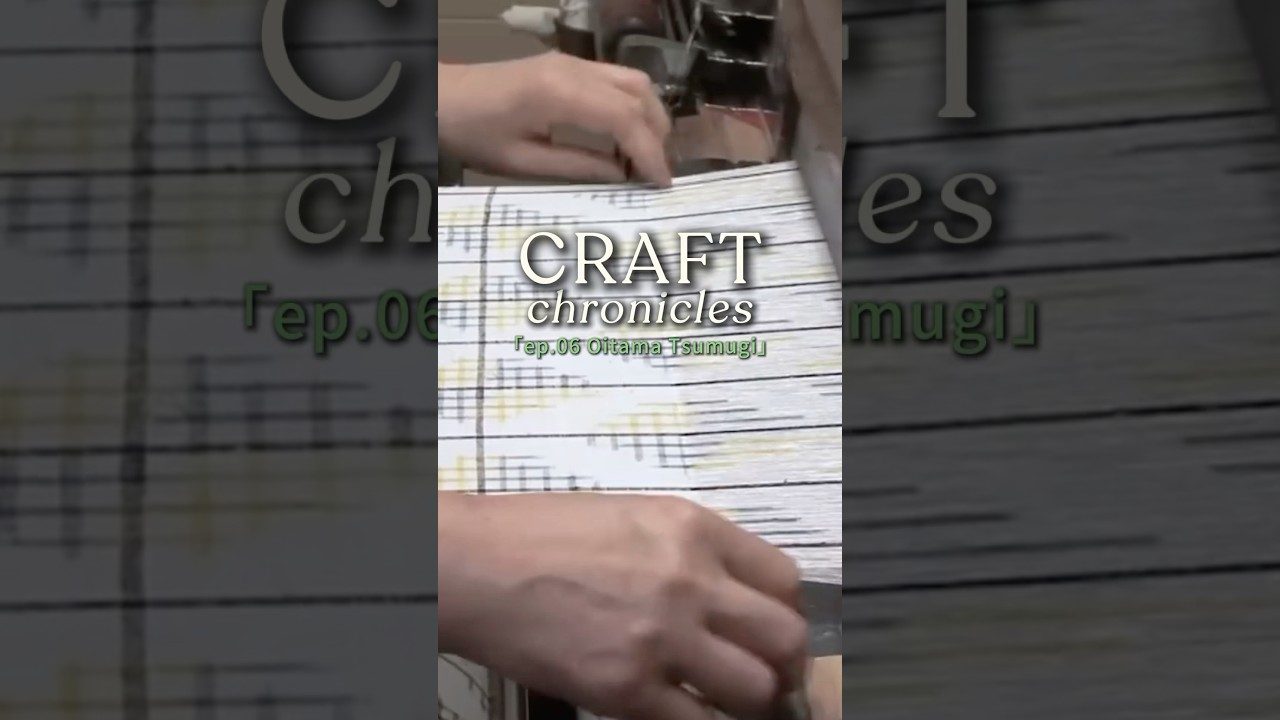
At the northernmost point, the rarest of them all is Shirataka Tsumugi , produced by just two workshops. It features the extraordinary itajime kasuri technique, where threads are pressed between wooden planks carved with patterns, allowing only specific sections to absorb dye. The weaving process is so intricate that even the most skilled weavers can produce just 30 centimeters of fabric in a single day. Now that’s dedication!
In 1976, the textiles from these three regions were unified under the name Oitama Tsumugi and designated as one of Japan’s Nationally Designated Traditional Craft Products. Collectively, Oitama Tsumugi represents a perfect harmony of history, artistry, and skill, standing as a vibrant testament to Yamagata’s rich textile heritage.
Craft Chronicles reaches people who care about how things are actually made.
Sources
- www.youtube.com/watch?v=ElNn5c90bJ8
- www.youtube.com/watch?v=TTaoWs-nIPg
- www.youtube.com/watch?v=HY1wnBZdg-g
- www.youtube.com/watch?v=y_bqko-mK2Q
- www.youtube.com/watch?v=xB0LmHo6EWU
- kogeijapan.com/locale/ja_JP/oitamatsumugi/?as_occt=any&as_q=置賜紬&as_qdr=all&back=https://www.google.com/search?client%3Dsafari&channel=aplab&hl=ja&safe=active&source=a-app1
- yamagata-furusato-kougei.jp/special/04-1.html
- yamagata-furusato-kougei.jp/detail/01-03.html
- store.kimono-yamato.com/Page/tsukuribe_watagenorimono.aspx