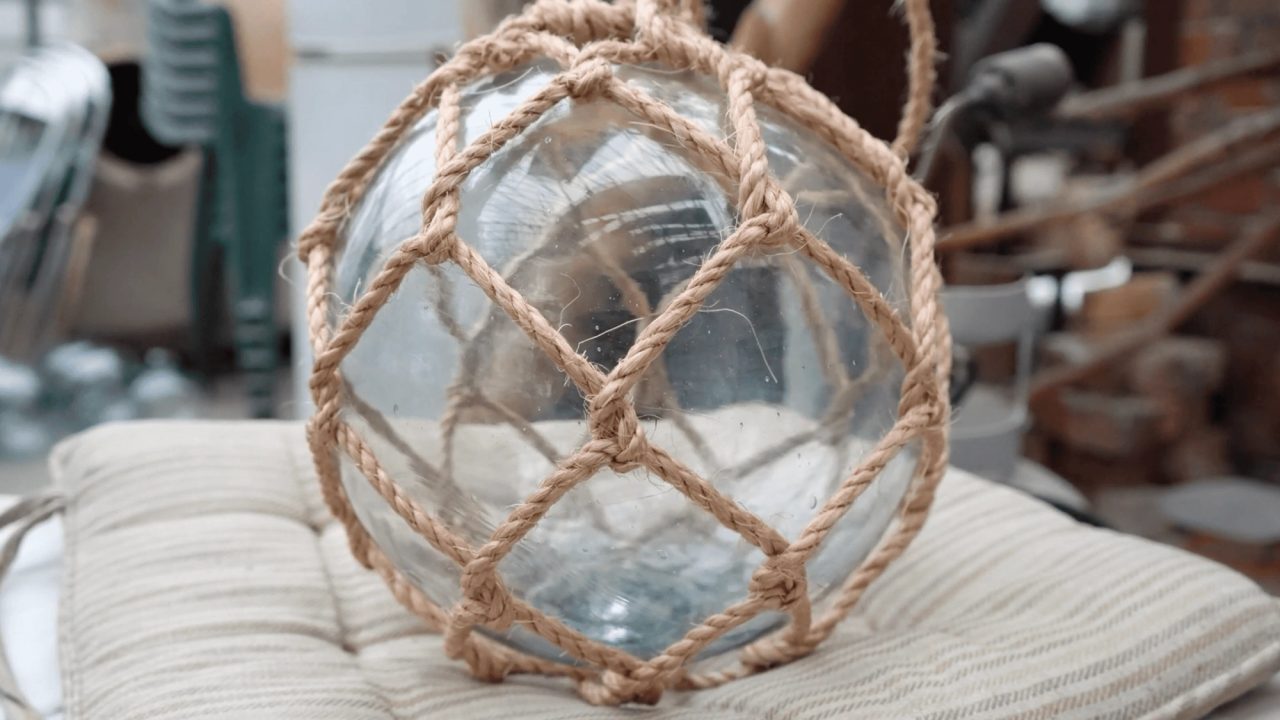
EP.106 · Otaru Glass Floats (ukidama) · Hokkaido
When Glass Ruled the Sea
In the late 19th century, Otaru’s fishing and maritime trade flourished across the northern seas.
In the late 19th century, Otaru’s fishing and maritime trade flourished across the northern seas. With that, their business relied on one crucial object: the glass float.
Known as ukidama , these hollow spheres were stronger than wood, resistant to water pressure, and designed to blend into the ocean. As fishing expanded from coastal waters to the open North Pacific, demand surged, and by the early Showa period, thousands of tons were produced each year.
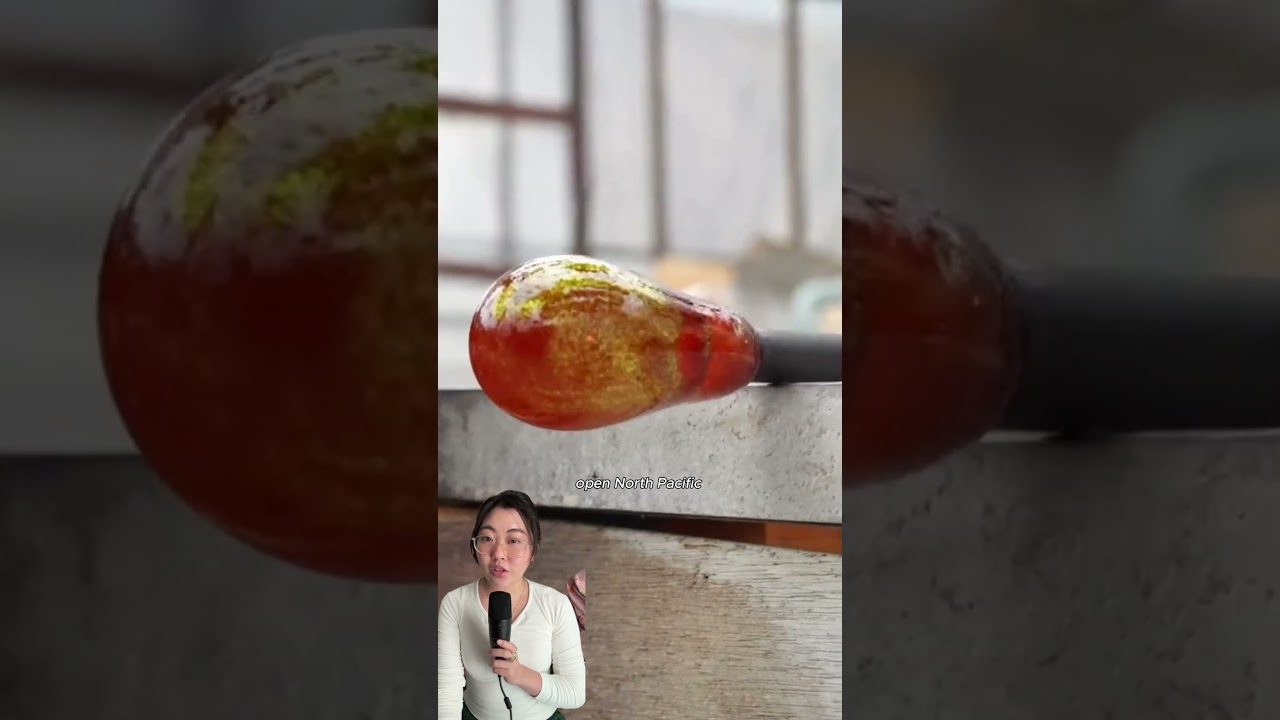
Using recycled glass from sake bottles, artisans melt the material at over 1300°C, gather it onto a blowpipe, and shape it by hand. The opening is sealed, leaving a small glass mark known as the “navel,” a detail now prized by collectors who find floats washed ashore.
As plastic buoys replaced glass, factories across Japan disappeared. Today, Otaru is home to the last remaining producer of traditional glass fishing floats.
Glass floats have since moved from the sea into interior spaces, transforming from working tools into quiet symbols of maritime history and the memory of a city shaped by glass, fire, and water.
Craft Chronicles reaches people who care about how things are actually made.
Sources
- www.youtube.com/watch?v=c6UKBicP-xU
- www.youtube.com/watch?v=RxZMLXAw96Q
- www.youtube.com/watch?v=FNjQzl5o_ls
- www.city.otaru.lg.jp/docs/2020111000216/file_contents/garasu_no_mati_otaru.pdf
- otaru.gr.jp/guidemap/glass-otaru
- hokkaidofan.com/glass/
- asaharaglass.com/glassukidama/
- otaru.gr.jp/shop/asaharaglassblowing