EP.98 · Shigaraki Yaki · Shiga
The Fire that Birthed the Iconic Tanuki
Over 1,200 years ago, people living south of Lake Biwa (琵琶湖) discovered that the rich clay of the ancient lakebed was ideal for pottery.
Over 1,200 years ago, people living south of Lake Biwa (琵琶湖) discovered that the rich clay of the ancient lakebed was ideal for pottery. This same clay was even used to make tiles for the short‑lived Shigaraki Palace (紫香楽宮).
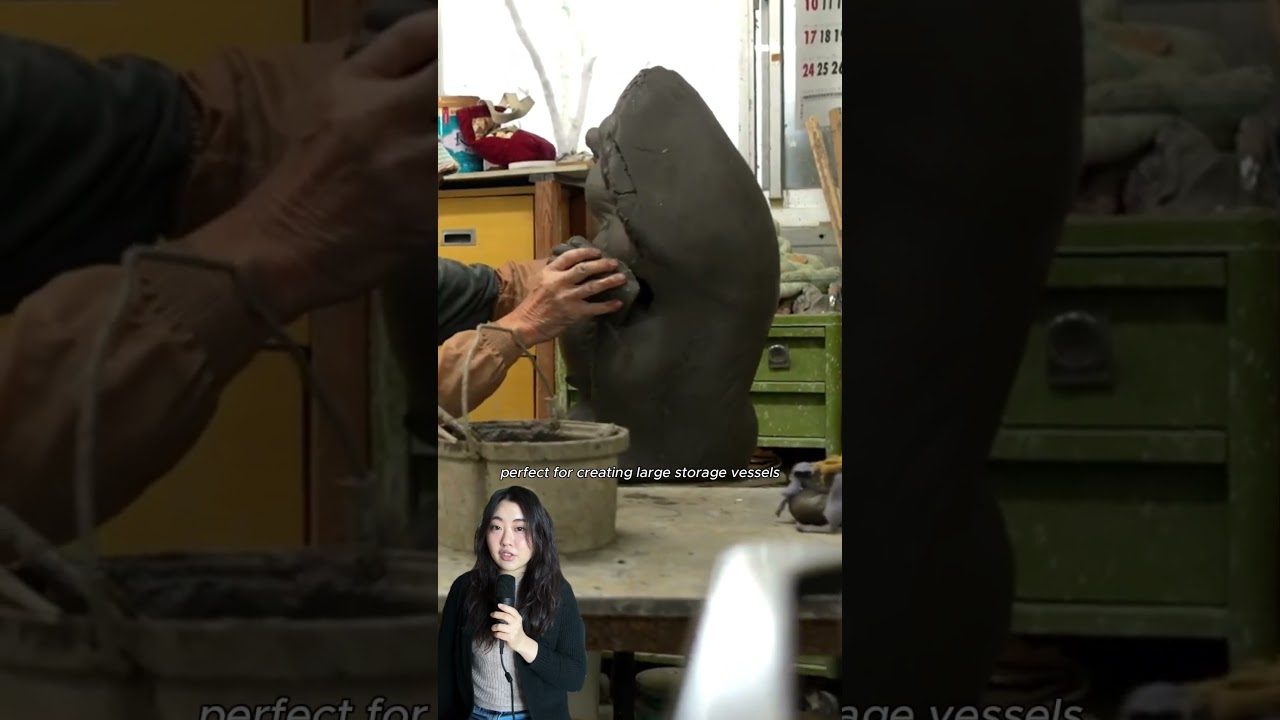
When blended with minerals found in the region, the clay becomes strong and flexible, perfect for creating large storage vessels.
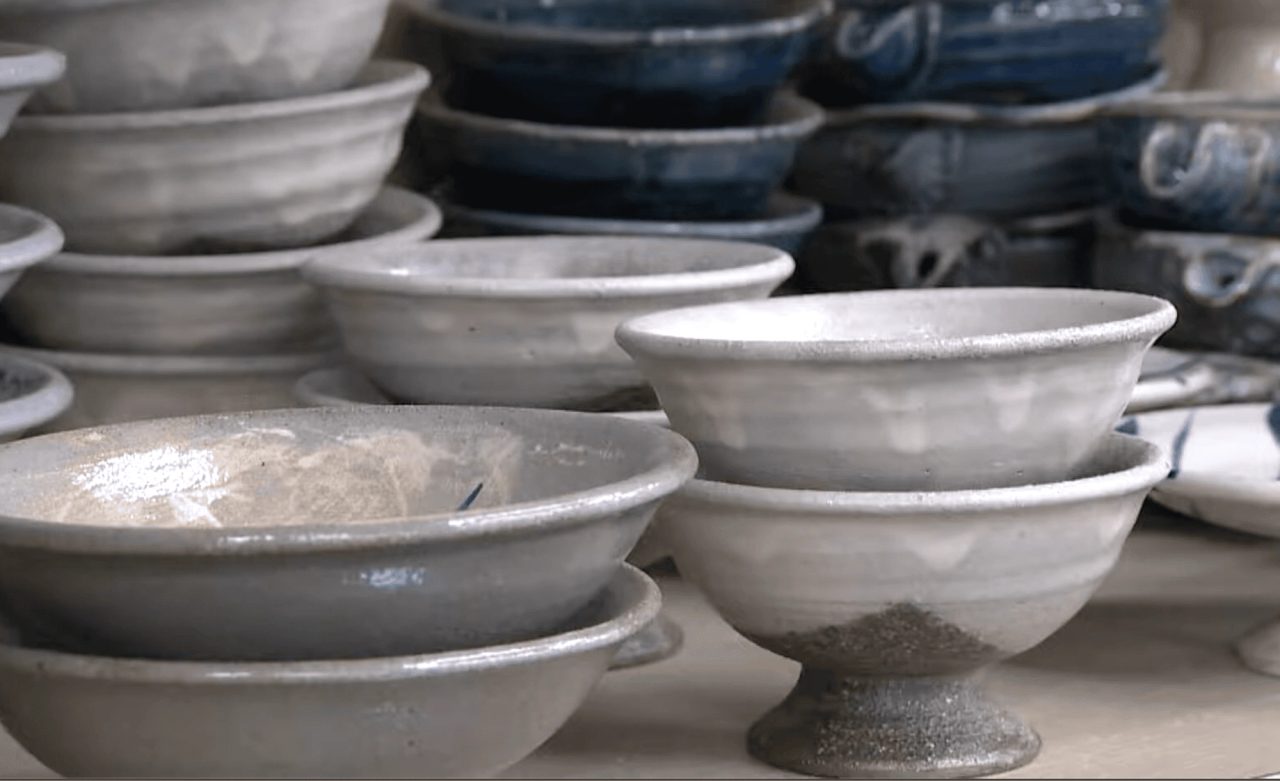
Shigarakiyaki’s (信楽焼) true character reveals itself in the kiln. When fired, the clay naturally develops soft pinks, warm browns, and vivid scarlet tones called hi‑iro (緋色). Strong fires melt ash within, forming glassy green drips known as bidoro (ビードロ), while pieces buried in ash darken into koge (焦げ). These unpredictable kiln effects ensure that no two works are ever the same.
Another iconic expression of Shigarakiyaki is the tanuki (狸) statue that appears in front of homes and shops across Japan. Considered a symbol of good luck and business prosperity, the Shigaraki tanuki became nationally famous in 1951 when hundreds lined the streets to welcome the Shōwa Emperor.
Today, artisans still use traditional wood‑firing and modern kilns to craft Shigarakiyaki, preserving the warm, earthy expressions shaped by fire.
Craft Chronicles reaches people who care about how things are actually made.
Sources
- www.youtube.com/watch?v=wY9G_zdKD3M
- www.youtube.com/watch?v=yN22u9PKFSk
- www.youtube.com/watch?v=GVrH5_qjaCg
- www.youtube.com/watch?v=ExknpPDbrcM
- www.youtube.com/watch?v=P6qwodXP7JY
- www.youtube.com/watch?v=JArgcGv41ms
- www.youtube.com/watch?v=sMbd_yuJ1l0
- kogeijapan.com/locale/ja_JP/shigarakiyaki/
- www.593touki.jp/shigarakiyaki.html
- uchill.jp/blog/pottery-area/shigarakiyaki/
- www.meizan.co.jp/f/shigarakiyaki
- sixancientkilns.jp/shigaraki/
- lotus-yokohama.jp/pottery/shigaraki-yaki/how02/
- sohdo.com/shigarakiyaki/
- www.meizan.info/about/history