EP.150 · Shikkui · Nationwide
Shikkui: Japanese Lime Plaster Craft
Shikkui is a traditional Japanese lime plaster that hardens into stone over time. UNESCO-recognized, this eco-friendly craft spans 1,400 years from ancient temples to modern design.
Craft details
- Craft
- Shikkui漆喰
- Material
- Stone
- Region
- Nationwide
A plasterer finishes this wall, cleans up, and leaves, but the wall keeps hardening for the next hundred years.
Japanese lime plaster is called shikkui, and it does not dry the way cement does.
It starts as limestone, which was once a coral reef. That stone gets fired in a kiln until it breaks apart into quicklime. Then water, seaweed glue, and plant fibers called susa. It goes on the wall, and starts pulling carbon dioxide out of the air, slowly turning back into limestone.
Fire takes the stone apart. Air puts it back together.
Shikkui arrived in Japan with Buddhism and temple building. Some of the oldest examples sit under the murals of Takamatsuzuka Tomb and on the walls of Horyuji.
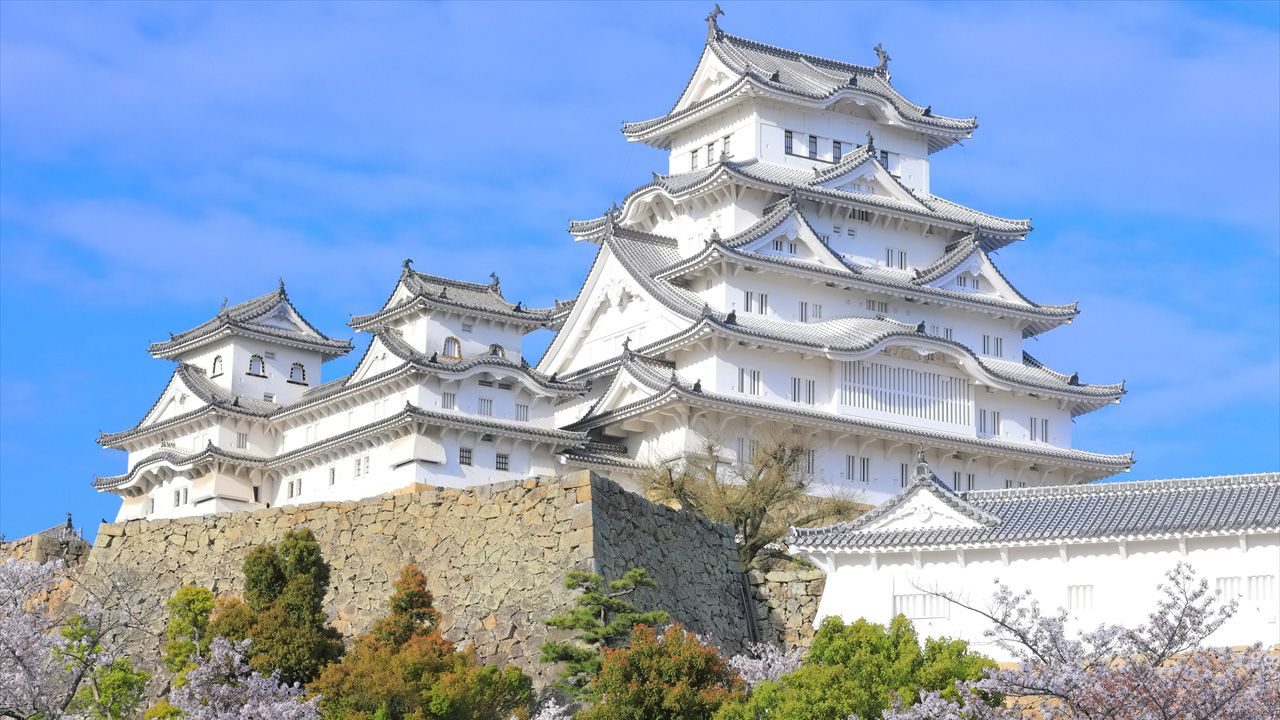
By the sengoku period, when the country was at war with itself, plasterers were finishing castles with it, because it does not burn, and because a wall that white was a show of power.
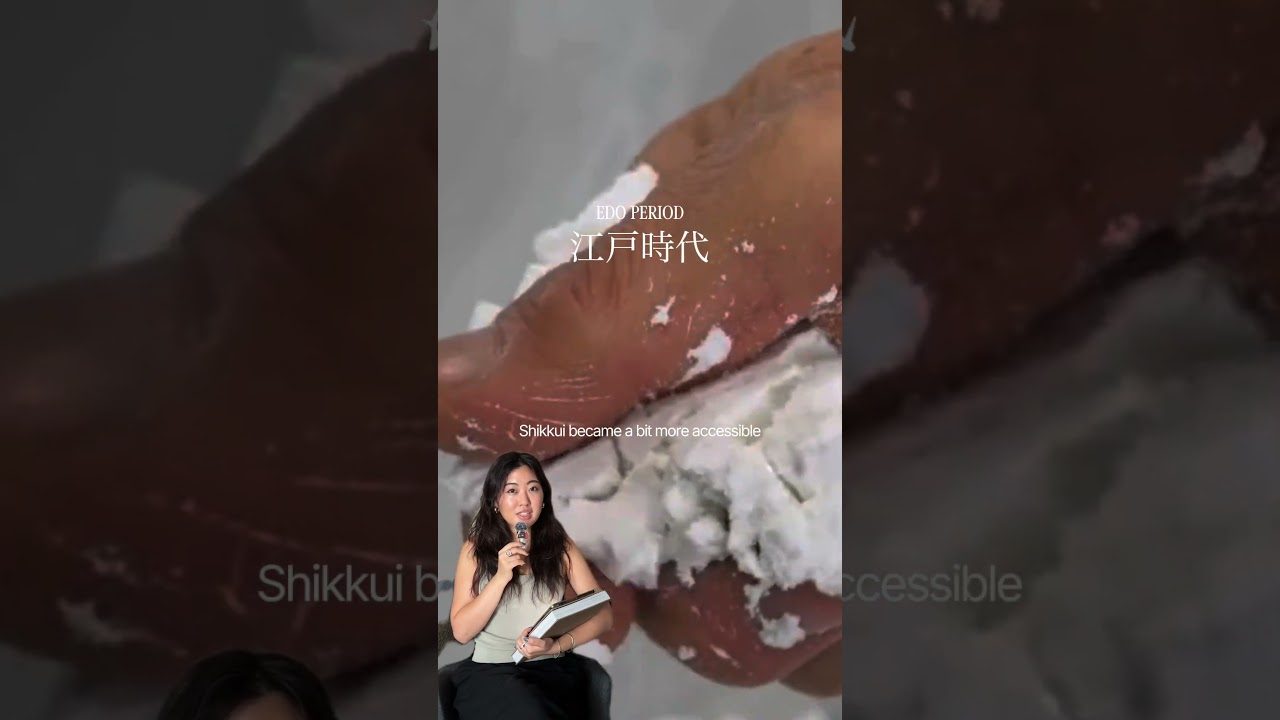
In the Edo period they swapped the expensive rice glue for cheap seaweed, and shikkui spread to merchant storehouses.
But when vinyl and cement came in after the war, shikkui was pushed out. Mainly because plaster takes weeks and a skilled hand. Drywall takes neither.
Japan now lists the technique as one worth protecting, and the association certified to plaster the country's cultural properties has around fifteen member firms continuing the tradition.
Craft Chronicles reaches people who care about how things are actually made.
Sources
- www.youtube.com/watch?v=_35V2hDpeVg
- www.youtube.com/watch?v=4w6zJqLT3j0
- www.youtube.com/watch?v=6oR1XxE7fhQ
- www.youtube.com/watch?v=B-zRXde9Va0
- www.youtube.com/watch?v=Q7F7phi1IqI
- www.youtube.com/watch?v=NMvjzlp4frA&t=207s
- sikkui.net/japan/
- www.kochi-sekkai.jp/daub
- nagominokoubou.jp/blog/2229/
- www.yyy-yamachi.com/myke/brand/japanshikkui/feature01/
- www.umakunureru.com/blog/%E6%BC%86%E5%96%B0%EF%BD%9C%E6%A7%98%E3%80%85%E3%81%AA%E6%BC%86%E5%96%B0%E3%81%AE%E9%81%95%E3%81%84%EF%BC%88%E3%83%A8%E3%83%BC%E3%83%AD%E3%83%83%E3%83%91%E3%83%BB%E7%8F%AA%E8%97%BB%E5%9C%9F%EF%BC%89/#%e6%97%a5%e6%9c%ac%e3%81%ae%e6%bc%86%e5%96%b0%e3%81%a8%e4%b8%96%e7%95%8c%e3%81%ae%e6%bc%86%e5%96%b0
- Himeji Castle Image Credit
- www.nikkei.com/article/DGXMZO57265190W0A320C2AC8000/
- yamatoji.nara-kankou.or.jp/03history/06kofun/03east_area/takamatsuzukakofun/
- online.bunka.go.jp/heritages/detail/146378