EP.69 · Tendo Shogi Koma · Yamagata
A Samurai's Side Hustle
Shogi (将棋), often called Japanese chess, came from India through China over a thousand years ago.
Shogi (将棋), often called Japanese chess, came from India through China over a thousand years ago. In the late Edo period, the Tendo Oda (天童織田) clan in Yamagata faced financial crisis, and samurai were encouraged to carve shogi pieces as side work, matching the warrior’s spirit of strategy, which lead to this city producing over 95% of Japan’s shogi pieces.
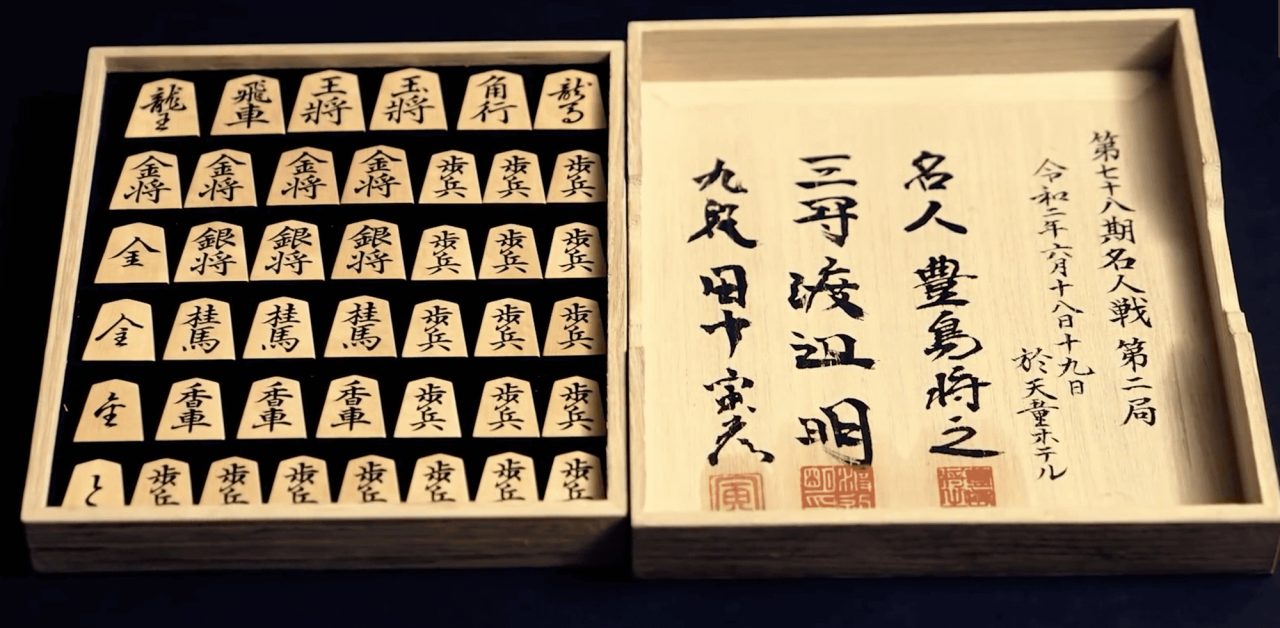
After years of drying boxwood, artisans carefully shape and match the grain across a full 40-piece set.
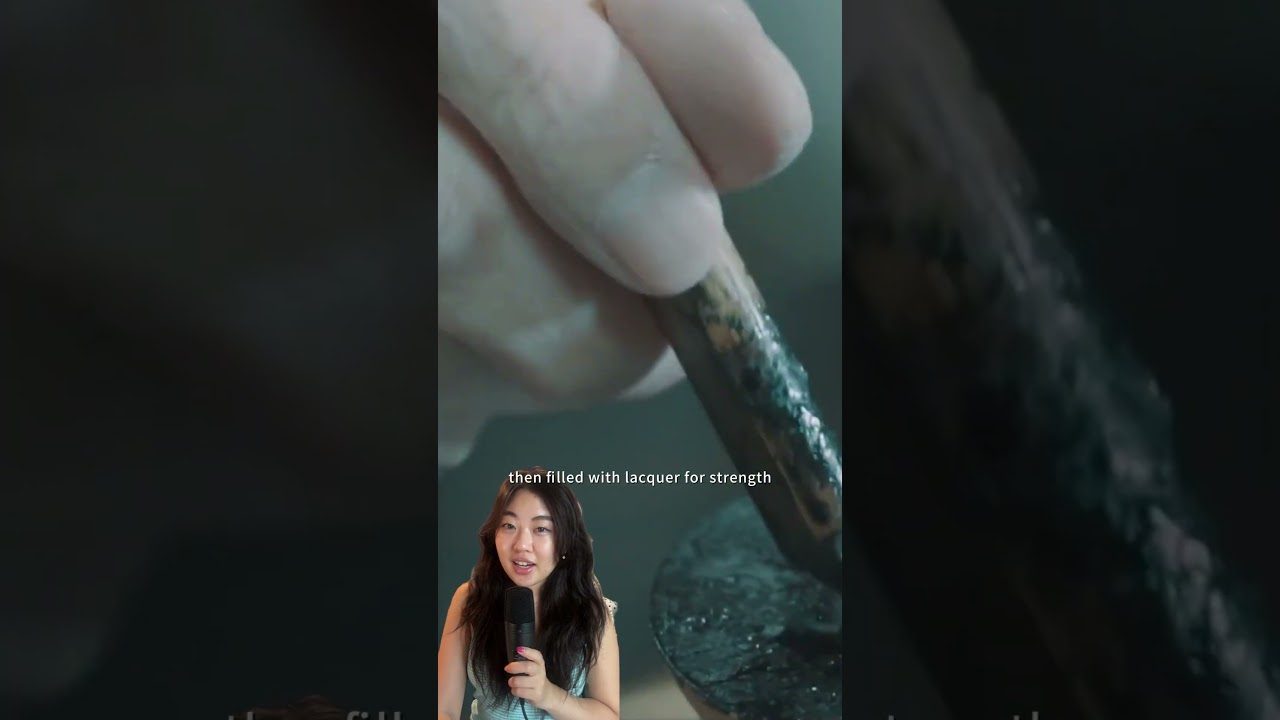
From there, three main techniques define the pieces. Kakigoma (描き駒) is the oldest, with characters written directly on wood using thick black lacquer. Horigoma (彫り駒) takes it further, where letters are carved and filled with lacquer for strength. And the pinnacle is moriagegoma (盛り上げ駒) , where lacquer is layered over carved characters with ultra-fine brushes, raising the letters like sculpture.
In Tendo, shogi is more than an industry, but a culture. Under cherry blossoms, people dress as samurai and move across a giant board in the annual "Human Shogi" festival. Monuments stand throughout the city, making it truly every shogi player’s dream city.
Craft Chronicles reaches people who care about how things are actually made.
Sources
- www.youtube.com/watch?v=gA8UvoR-S9o
- www.youtube.com/watch?v=EnHZjm-hjSA
- www.youtube.com/watch?v=RQJzYLLpe-E
- www.youtube.com/watch?v=HlsEv5vMCRo
- www.youtube.com/watch?v=5_PYxdwfI44
- www.youtube.com/watch?v=1Pn82_Eh7T4
- www.youtube.com/watch?v=NOB8ZwNVols
- kogeijapan.com/locale/ja_JP/tendoshogikoma/
- kougeihin.jp/craft/1401/
- kougeihin.jp/info/no-27/
- yamagata-furusato-kougei.jp/special/03-1.html
- www.tohoku.meti.go.jp/s_densan/yamagata_04.html
- monoshoku.jp/traditionalcraft/2643/