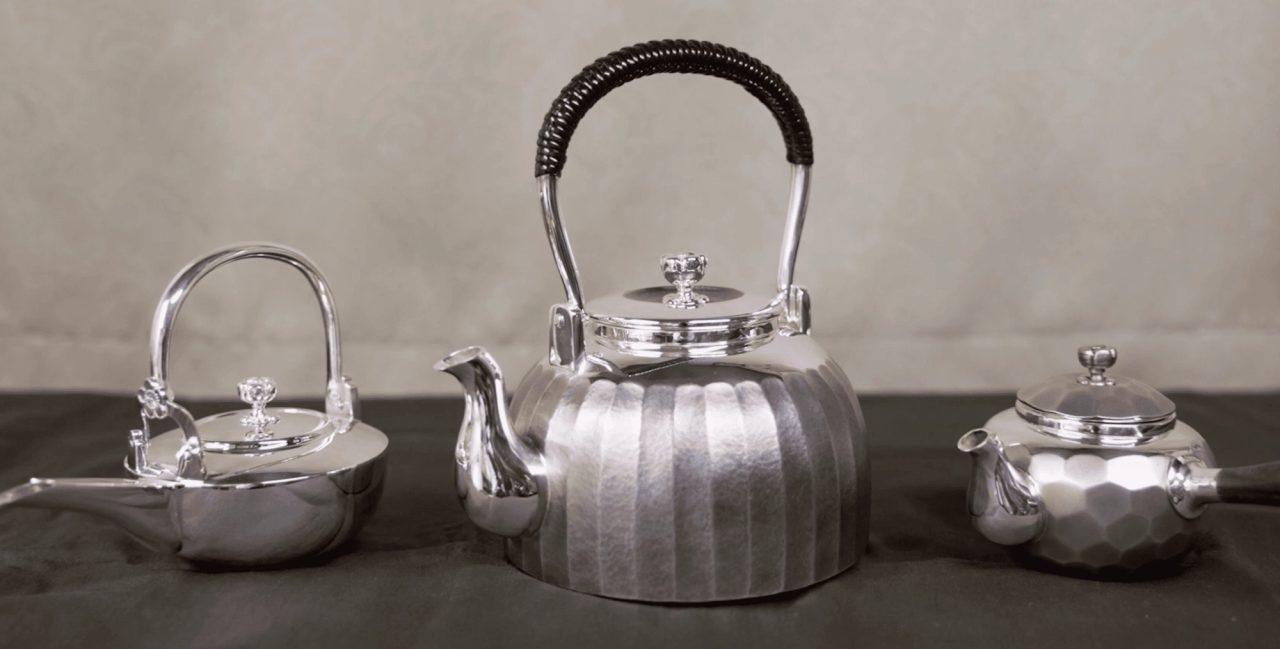
EP.75 · Tokyo Ginki · Tokyo
Ginza’s Original Shine
By the 16th century, mines like Iwami Ginzan (石見銀山) made Japan one of the world’s top silver producers, supplying nearly a quarter of global silver.
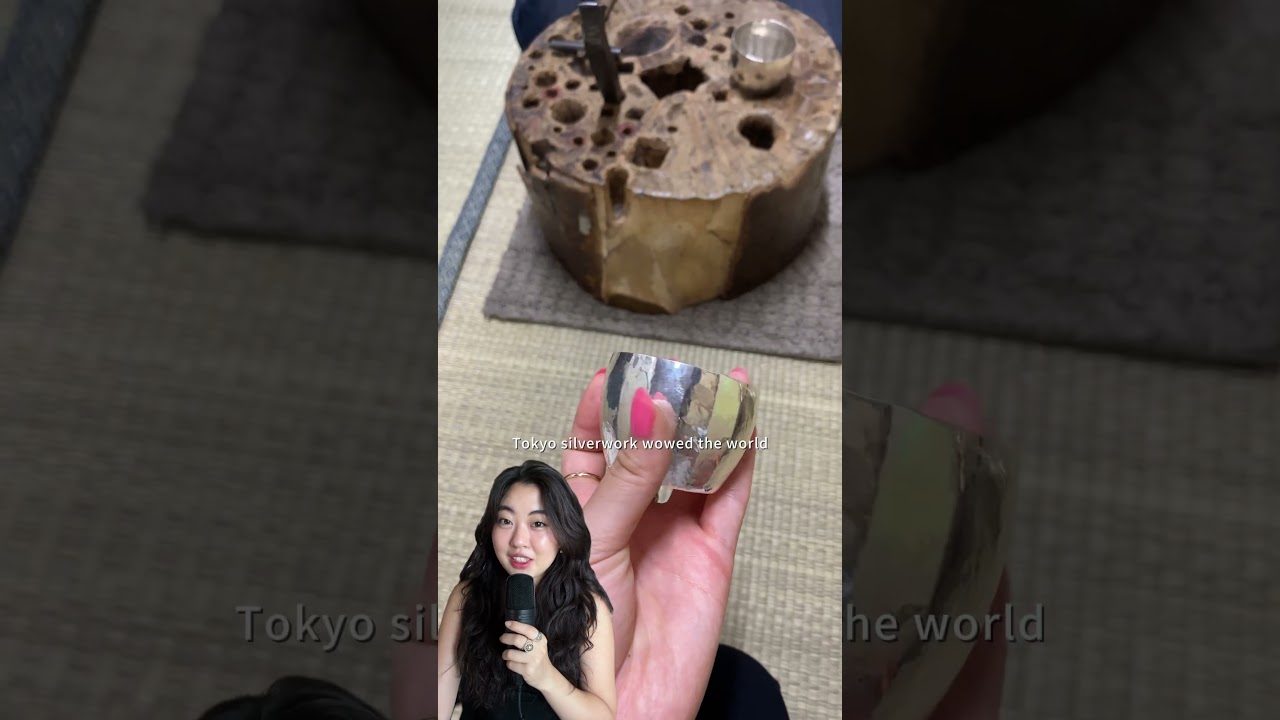
By the 16th century, mines like Iwami Ginzan (石見銀山) made Japan one of the world’s top silver producers, supplying nearly a quarter of global silver. Regional silver mints called “Ginza” existed nationwide, but in 1612 the shogunate centralized minting in Edo, giving today’s Ginza its name. Silversmiths gathered there, and by the late Edo and Meiji eras Tokyo’s silverwork wowed the world, most famously at the 1867 Paris Exposition.
A hallmark of Tokyo Ginki is purity. While sterling silver (92.5%+) is standard worldwide, many Tokyo studios use near‑pure 99.9% silver. Normally too soft for daily use, it’s made strong through repeated cycles of hammering and heating, tens of thousands of strikes that compact the metal, hardening it for durability and giving it a clear ring. Craftsmen add depth with chasing, inlay, soldering, and finishes from mirror polish to antique patina.
Today, workshops in Taitō, Arakawa, and Bunkyō produce heirloom cups, tea kettles, trophies, and modern tableware. From daily tools to ceremonial gifts, Tokyo Ginki carries Ginza’s original shine into homes across Japan and beyond.
Craft Chronicles reaches people who care about how things are actually made.
Sources
- www.youtube.com/watch?v=vw45R8Bp3W8
- www.youtube.com/watch?v=oEK355qcAXE
- www.youtube.com/watch?v=Yt2-lhnZVt4
- www.youtube.com/watch?v=Z6N49GWCrNI
- www.youtube.com/watch?v=ZdXbFBnsSSg
- www.youtube.com/watch?v=2C-kdAzqXVw
- moriginki.co.jp/tokyoginki/
- www.tokyoginki.or.jp/aboutus.html
- www.dento-tokyo.metro.tokyo.lg.jp/items/05.html
- craft.city.taito.lg.jp/craft/2049/
- kogeijapan.com/locale/ja_JP/tokyoginki/
- waknot.com/crafts/839
- www.japan-kogei.com/tokyoginki-about.html
- suigenkyo.com/articles-tokyo-silverware/