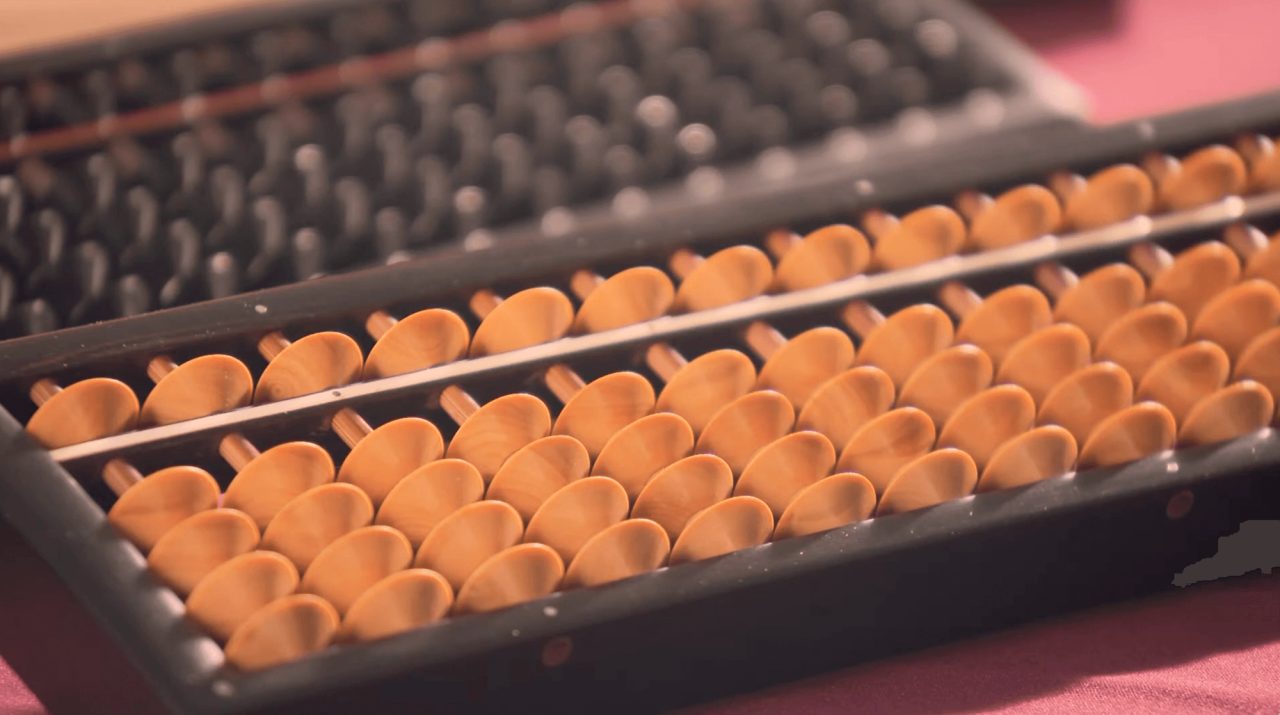
EP.130 · Unshu Soroban · Shimane
The Rhythm of Numbers
This one starts in 1830, with a carpenter named Murakami Kichigoro.
This one starts in 1830, with a carpenter named Murakami Kichigoro. He came across a soroban from Hiroshima and decided to recreate it using what he had locally, in Okuizumo, a region already built on tatara ironmaking and high-quality blades.
As his techniques spread, Unshu Soroban built a national reputation, and with it came a phrase: "Quality means Unshu."
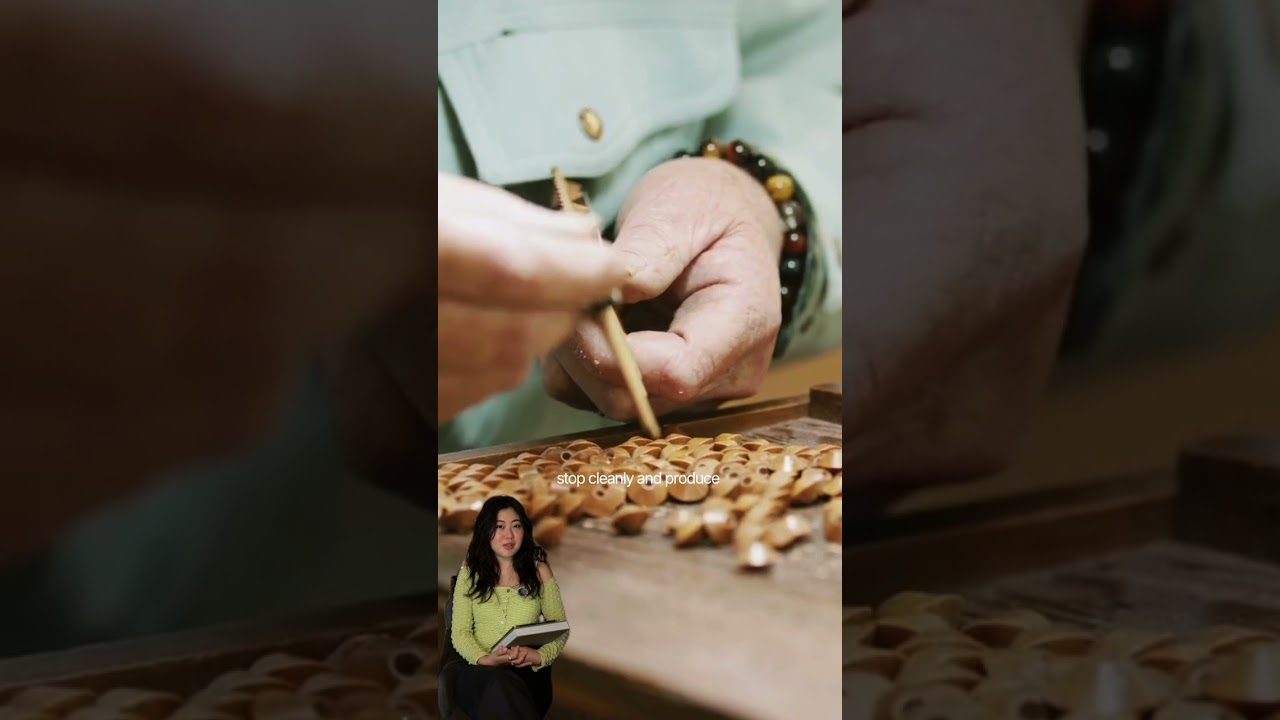
What makes a good soroban comes down entirely to the beads. They need to move smoothly, stop cleanly, and produce a crisp, high sound when they hit.
Artisans choose the hardest woods for this, ebony, boxwood, isu, and every bead is cut, shaped, polished, and finished by hand.
One soroban goes through around 180 steps. Sub-millimeter adjustments affect performance, each bead has to sit perfectly parallel, and even the final color arrangement is intentional gradients that reduce eye strain during long use.
At its peak after the war, soroban were everywhere on every school desk, every merchant's counter.
And even now, with calculators and computers, Unshu Soroban is still valued by students, competitors, and collectors as a tool of focus and rhythm.
Craft Chronicles reaches people who care about how things are actually made.
Sources
- www.youtube.com/watch?v=sILnJerKvc8&t=2s
- www.youtube.com/watch?v=wyi7elvWebY
- www.youtube.com/watch?v=82WR6yQwzQE
- www.youtube.com/watch?v=oyRukvDWQiU
- www.youtube.com/watch?v=BMlxF26xD40
- kogeijapan.com/locale/ja_JP/unshusoroban/
- kougeihin.jp/en/craft/1006/
- shingi-ittai.jp/articles/824/
- www.thebecos.com/collections/unshu-abacus
- www.iimono-shimane.jp/traditional-crafts/480/
- www.pref.shimane.lg.jp/industry/syoko/sangyo/dentou_kougei/kougei/kougei_23.html
- unsyusoroban.com/flow/
- www.town.okuizumo.shimane.jp/www/contents/1763431930716/simple/youkou(soroban).pdf
- chugokukeiren.jp/chiiki/info/2022/02/352/
- www.sanin-tanken.jp/backup/sp/tankenki/vol-105/index.html