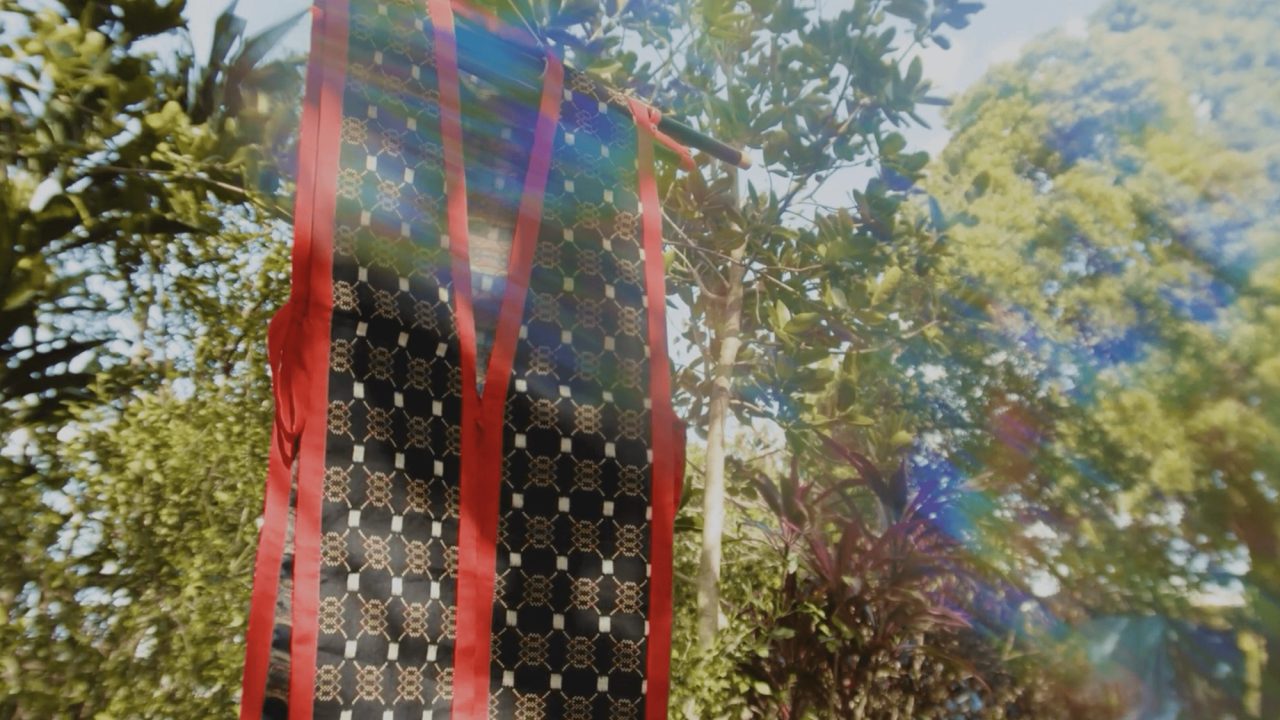
EP.124 · Yuntanza Hanaori Minsa · Okinawa
The “Phantom Textile” of Okinawa
In the 15th century, trade with China and Southeast Asia brought new weaving techniques to the Ryukyu Kingdom.
In the 15th century, trade with China and Southeast Asia brought new weaving techniques to the Ryukyu Kingdom. In Yomitan(読谷村), those influences evolved into two forms of the same tradition: Yuntanza Hanaori(読谷山花織) and Yuntanza Minsa(読谷山ミンサー).
Hanaori became the grand expression, wide, elaborate textiles worn only by royalty and those living at Yomitan. Minsa, on the other hand, took a more intimate form: narrow cotton belts, woven and gifted as tokens of love or prayers for safe journeys.
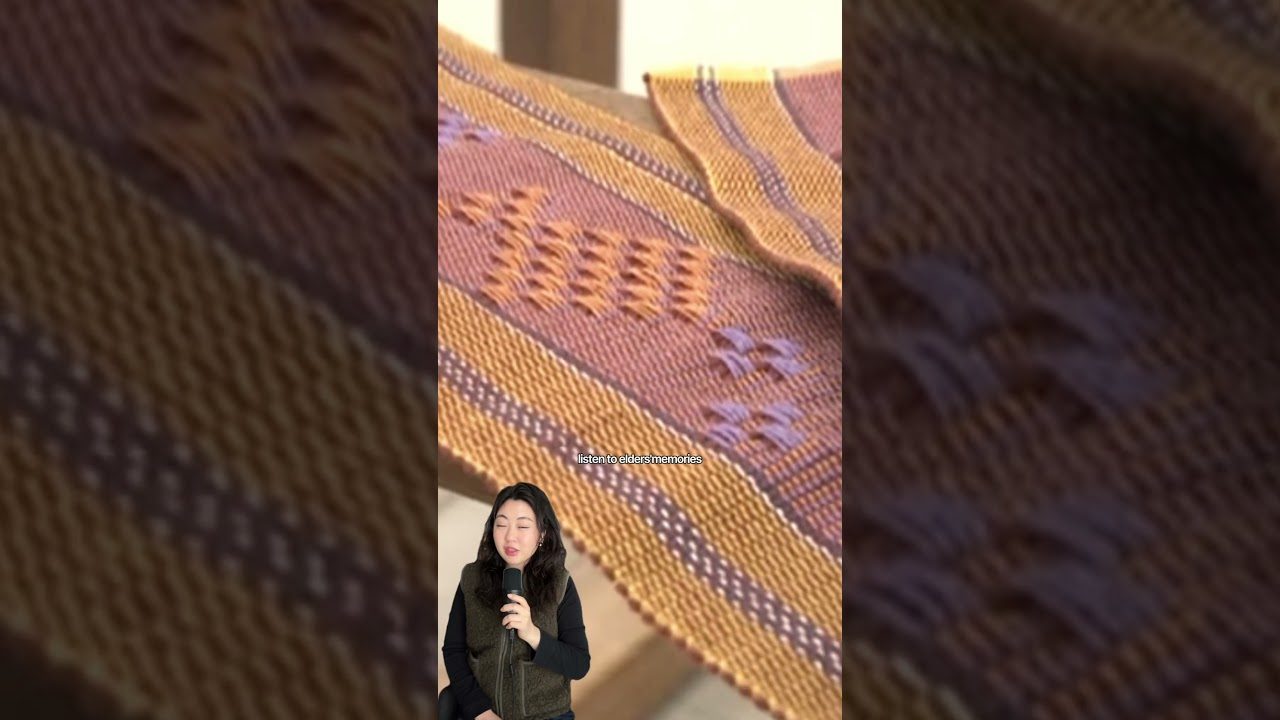
With the destruction of World War II, these crafts disappeared and became known as “phantom textiles.” However, in 1964, artisans studied surviving pieces, listened to elders’ memories, and rebuilt the techniques thread by thread.
For both textiles, artisans lift specific warp threads, creating raised geometric patterns that appear to float across the surface, like blooming flowers.
Each motif carries a wish. Jinbana(ジンバナ/銭花) means prosperity, ojibana(オージバナ/扇花) represents growth and descendants, and kajimaya(カジマヤー/風車花) symbolizes longevity. Together, they turn cloth into a language of hope.
Today, these textiles are worn as kimono, belts, and accessories, and are also being reimagined in modern fashion and interiors.
Craft Chronicles reaches people who care about how things are actually made.
Sources
- www.youtube.com/watch?v=rdLytYbxWTI
- www.youtube.com/watch?v=z91kc4P9lDw
- www.youtube.com/watch?v=FBUe9KXd8EY
- www.youtube.com/watch?v=pyNLKrfmQuw
- www.youtube.com/watch?v=mOiVp2OxiSo
- www.youtube.com/watch?v=KepLfDg72Qs
- kogeijapan.com/locale/ja_JP/yomitanzanhanaori/
- kogeijapan.com/locale/ja_JP/yomitanzanminsa/
- www.yomitanhanaori.com/contents/detail.php?page_id=5
- www.motoji.co.jp/collections/yomitanzanhanaori
- www.kimonoichiba.com/products/list.html?l_cid=49
- store.kimono-yamato.com/Page/sanchi_hanaori.aspx