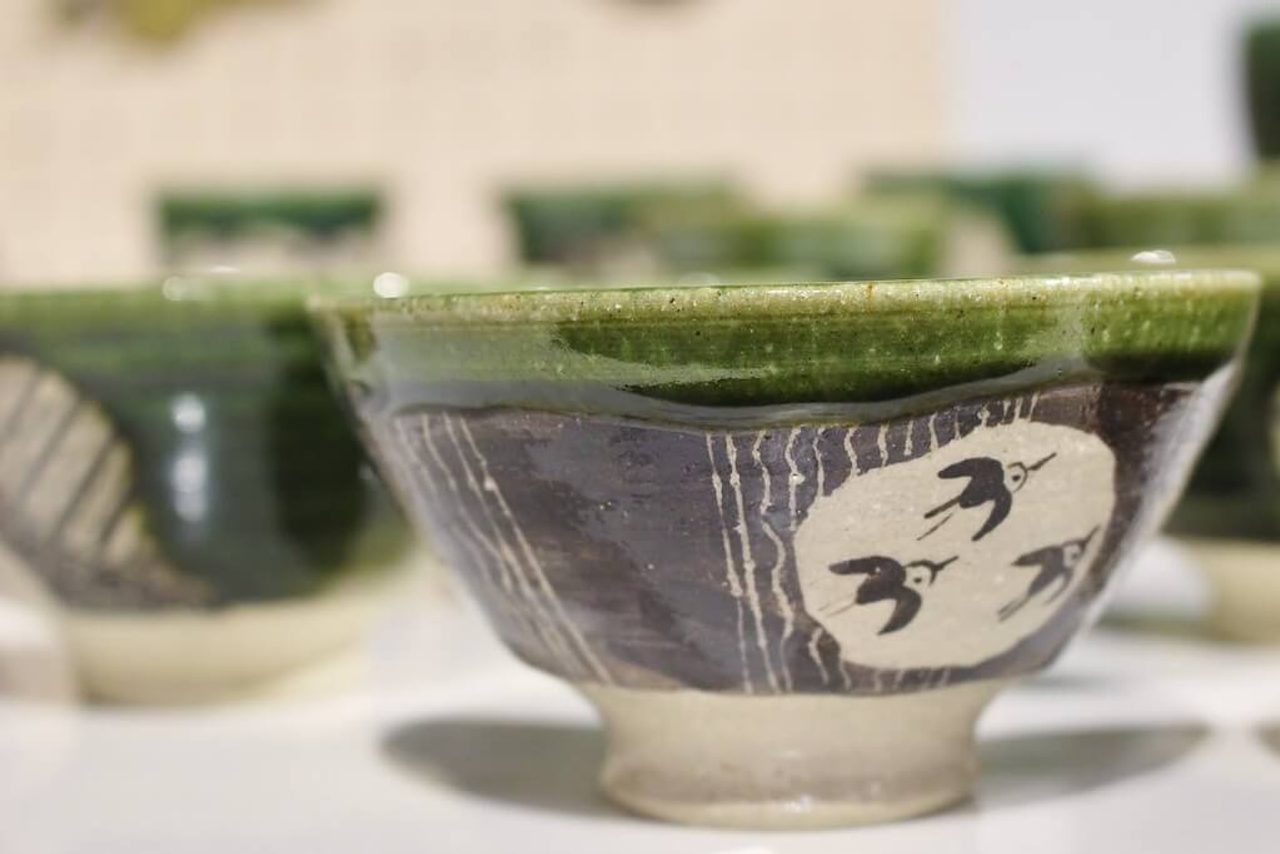
EP.126 · Akazu Yaki · Aichi
The Origin of Japanese Glaze
Over a thousand years ago, when most ceramics were still unglazed, the Akazu region of Aichi started mastering glaze , specifically ash glaze.
Over a thousand years ago, when most ceramics were still unglazed, the Akazu region of Aichi started mastering glaze , specifically ash glaze.
By the Momoyama period, as tea culture flourished, Akazu-yaki became deeply tied to tea ceramics. Glazes like Shino (志野), Oribe (織部), and Kiseto (黄瀬戸) emerged, and Akazu-yaki became the ceramic of that moment, reflecting the aesthetic through subtle whites, deep greens, and warm yellows.
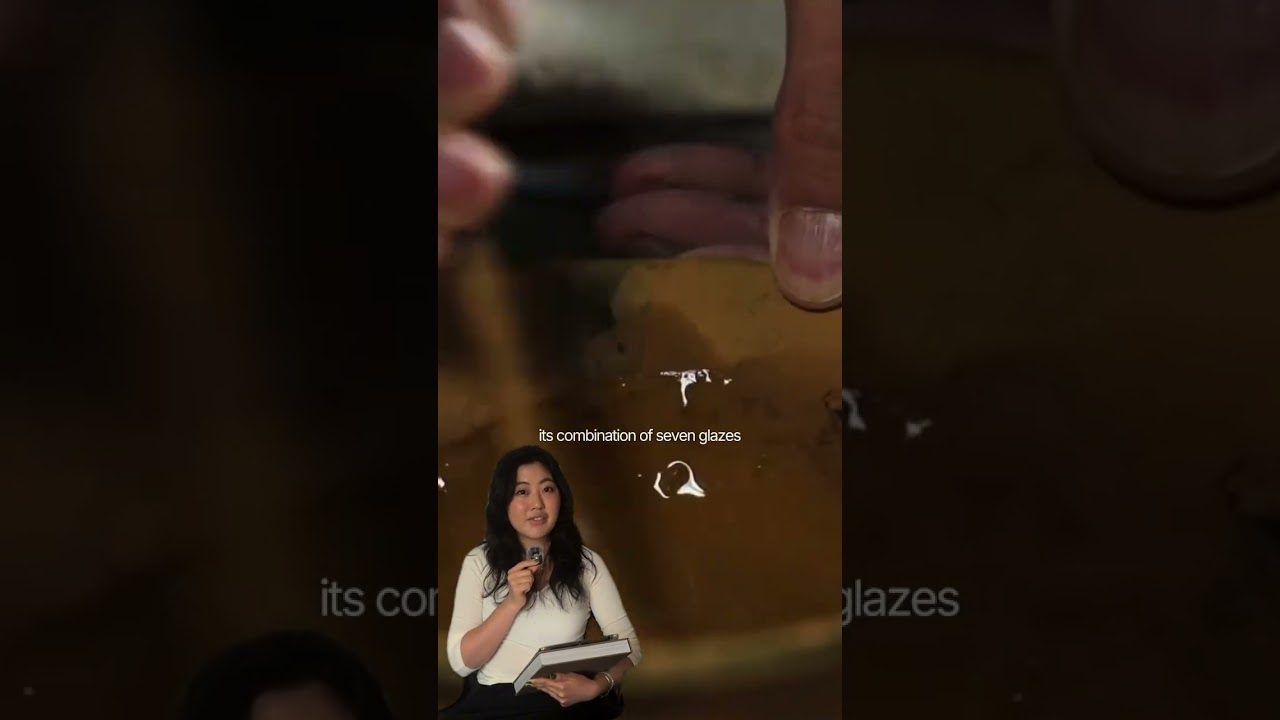
It starts with local Seto clay, refined and kneaded before being shaped. But the clay is just the beginning -- its combination of seven glazes and twelve decorative techniques, which gives it a range of expression almost no other ceramic tradition can match.
These aren't just color variations. They're chemical reactions between ash, iron, and copper. No two pieces ever come out identical. For styles like Oribe, there's a final step most people don't know about: the piece gets soaked in a tannin-rich solution made from boiled acorn caps, deepening both the texture and the finish.
That detail is centuries old. And sixty kilns in Aichi are still doing it.
Today Akazu-yaki has moved beyond the tea room, into dining tables, design studios, modern collections. Still built on the same seven glazes. Still unrepeatable.
Craft Chronicles reaches people who care about how things are actually made.
Sources
- www.youtube.com/watch?v=D_GOf3KvEM8
- www.youtube.com/watch?v=UYgMX_wssxY
- www.youtube.com/watch?v=Q4jTiMdvJg8
- kogeijapan.com/locale/ja_JP/akazuyaki/
- kougeihin.jp/craft/0408/
- www.pref.aichi.jp/sangyoshinko/jibasangyo/industry/akatsuyaki.html
- www.jtopia.co.jp/blogs/blog/akazu-yaki-history-features-kilns-online
- www.denko-ag.co.jp/tetsunagi/akazuyaki/
- www.tawaraya.chikusa.nagoya.jp/akazuyaki.html
- inayama-htg.com/akazuyaki/
- setoyaki.thebase.in/categories/2899757