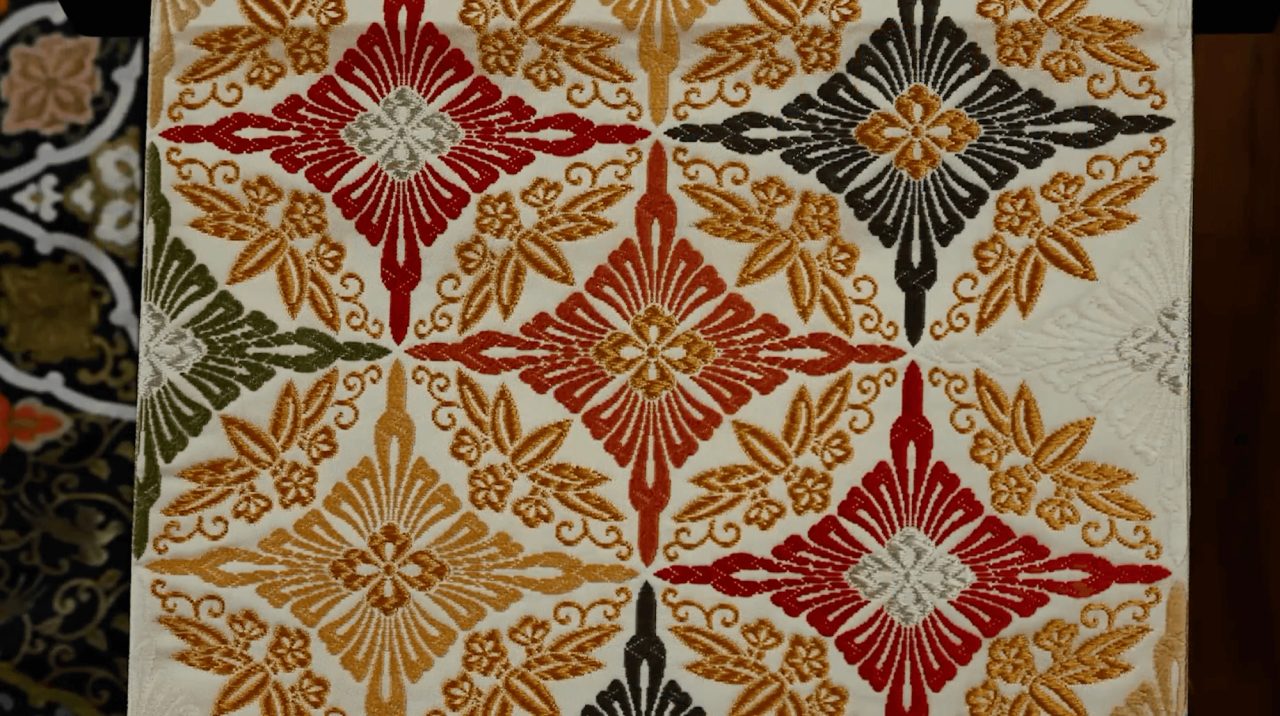
EP.127 · Nishijin-ori · Kyoto
The Fabric of the Imperial Court
It started over 1,200 years ago, but it was forged in fire. During the Onin War, Kyoto was devastated.
It started over 1,200 years ago, but it was forged in fire.
During the Onin War, Kyoto was devastated. When the weavers returned to the city's western encampment, Nishijin, they didn't just rebuild.They engineered a textile system that would dress the Imperial Court for centuries.
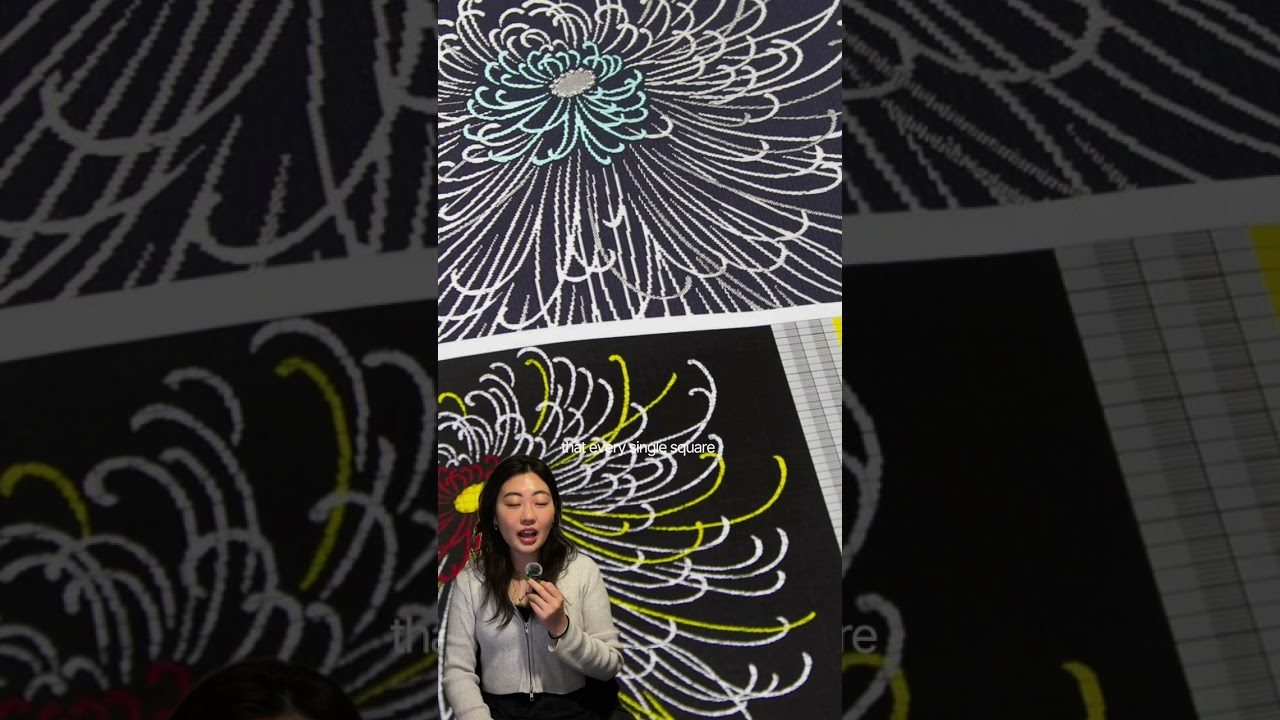
What makes Nishijin different starts before the loom is even touched. Every single thread is dyed first. The design is mapped in a zuan, a hand-drawn blueprint. Then translated into a mon-ishōzu, a grid so precise that every square dictates exactly how thousands of individual silk threads will cross each other.
Picture mapping out every single intersection before a single thread moves. That's where Nishijin begins.
From there, pattern cards guide the loom. Threads are twisted, dyed, aligned. In techniques like tsuzure-ori, a master craftsman might advance only a few centimeters in a day. And here's what most people don't realize: this isn't made by one person.
Nishijin is a system. Over 20 specialists, designers, dyers, weavers, collaborate to complete a single piece. The craft is the collaboration.
Today it's moved beyond the kimono into ties, bags, and modern interiors.
In a world of mass production, some things can only be made by the visible hand.
Craft Chronicles reaches people who care about how things are actually made.
Sources
- www.youtube.com/watch?v=B3JdxI9e0yg
- www.youtube.com/watch?v=9ZLIfSLKlyg
- www.youtube.com/watch?v=cod2mxzAchI
- www.youtube.com/watch?v=hRl8B6HTUMc
- www.youtube.com/watch?v=7Geqj-kh3IQ
- www.youtube.com/watch?v=SCGUak-uqkA
- kogeijapan.com/locale/ja_JP/nishijinori/
- kougeihin.jp/craft/0120/
- nishijin.or.jp/
- asagi-museum.jp/
- story.nakagawa-masashichi.jp/craft_post/117508
- daruma3-mag.com/archives/7241/
- www.kimonoichiba.com/media/column/115/
- kyo-sakai.com/2023/01/27/nishijinori-point/
- www.kitamura.jp/used/column/kimono/nishijin-ori-guide.html
- nishizine.city.kyoto.lg.jp/column/nishijin-design/