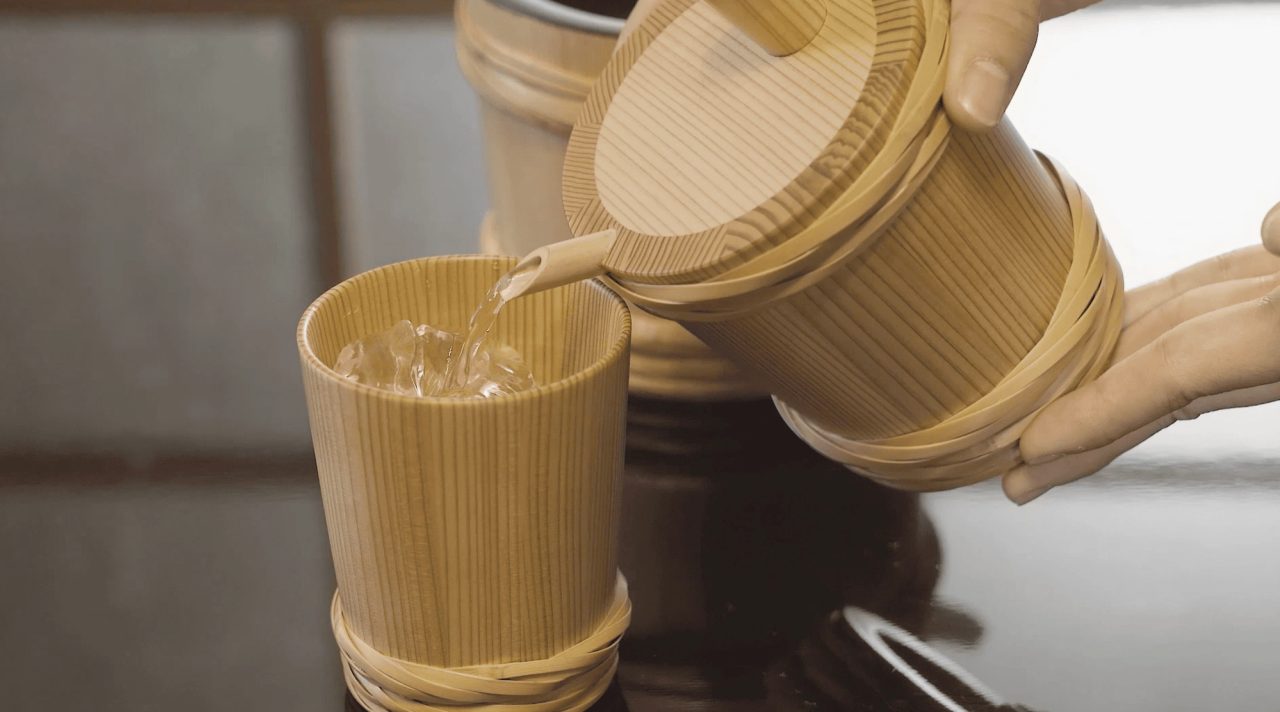
EP.121 · Akita Sugi Oke Taru · Akita
The Barrel That Breathes
During the Edo period, the Akita domain encouraged cedar production, and barrels made from this prized timber became essential tools of daily life.
During the Edo period, the Akita domain encouraged cedar production, and barrels made from this prized timber became essential tools of daily life.
Akita cedar is known for its straight grain, gentle fragrance, and resistance to warping. It naturally regulates moisture and subtly influences flavor, which is why cedar barrels have long been valued in fermentation and brewing.
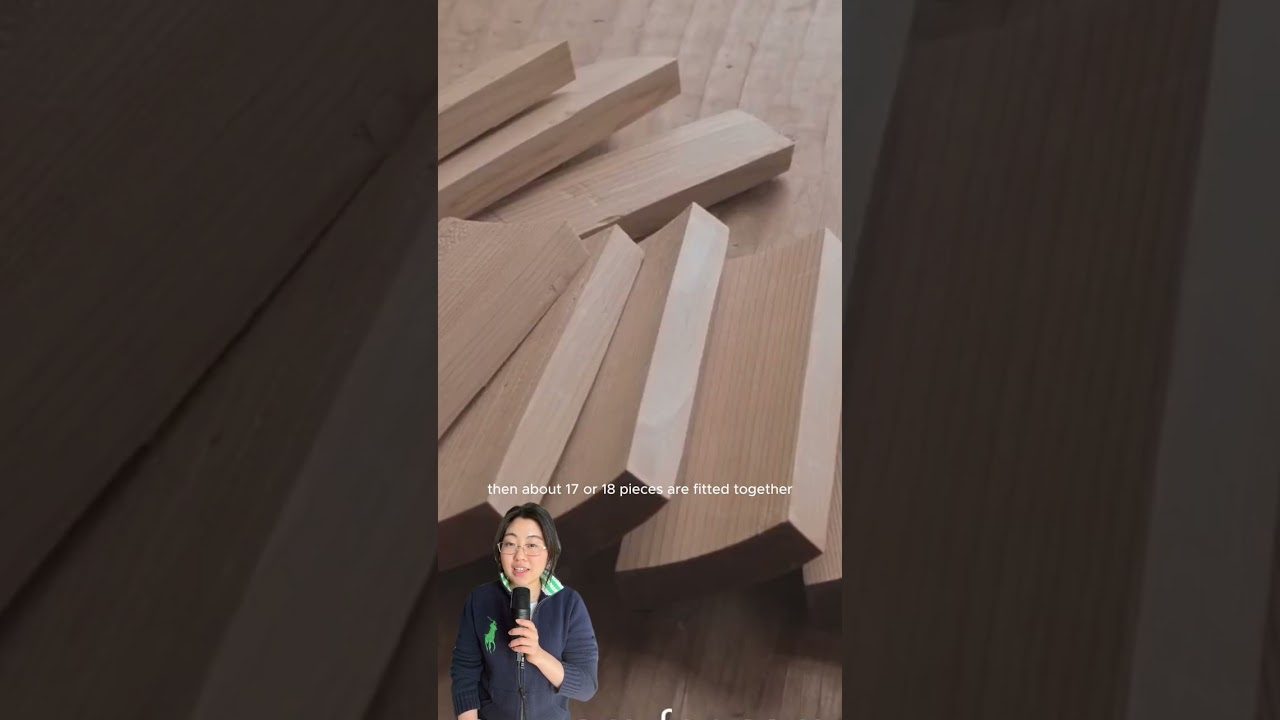
Each vessel begins with a cedar log split into wedge-shaped boards. After drying, the boards are shaved and shaped, then about seventeen to eighteen pieces are fitted together to form a clean circle.
Craftsmen smooth the inside and outside with curved planes. Finally, bamboo or metal hoops called taga are tightened around the body to secure the structure and lock the bottom board in place.
No nails. No glue. Only pressure and precision.
Plastic and metal containers later replaced many wooden vessels, and demand for traditional buckets and barrels declined. Today, however, the warmth of natural materials and the qualities of cedar are being rediscovered.
Artisans now also produce rice containers, drink cups, and interior pieces that bring Akita cedar into modern spaces.
Craft Chronicles reaches people who care about how things are actually made.
Sources
- www.youtube.com/watch?v=4yu-bbpEqUk
- www.youtube.com/watch?v=a-MfzAewunA
- www.youtube.com/watch?v=ew3YvkMDxRE
- www.youtube.com/watch?v=KfRl4FIuiU8
- www.youtube.com/watch?v=yy4M4Ou4EpU
- www.youtube.com/watch?v=R7-JyFcG-Ow&t=1s
- kogeijapan.com/locale/ja_JP/akitasugioketaru/
- waknot.com/local/1840
- common3.pref.akita.lg.jp/tesigoto/craft/detail.php?id=1390358439278
- kutsuzawa-seizaisho.co.jp/cms/oke_taru
- www2.chuokai-akita.or.jp/oketaru/index.html