EP.43 · Arita Yaki (Imari-yaki) · Saga
Porcelain for the Royals
Arita Yaki began over 400 years ago in Saga Prefecture, when Korean potter Yi Sam-pyeong discovered porcelain stone in Arita’s Izumiyama mountain, sparking Japan’s porcelain era.
Arita Yaki began over 400 years ago in Saga Prefecture, when Korean potter Yi Sam-pyeong discovered porcelain stone in Arita’s Izumiyama mountain, sparking Japan’s porcelain era.
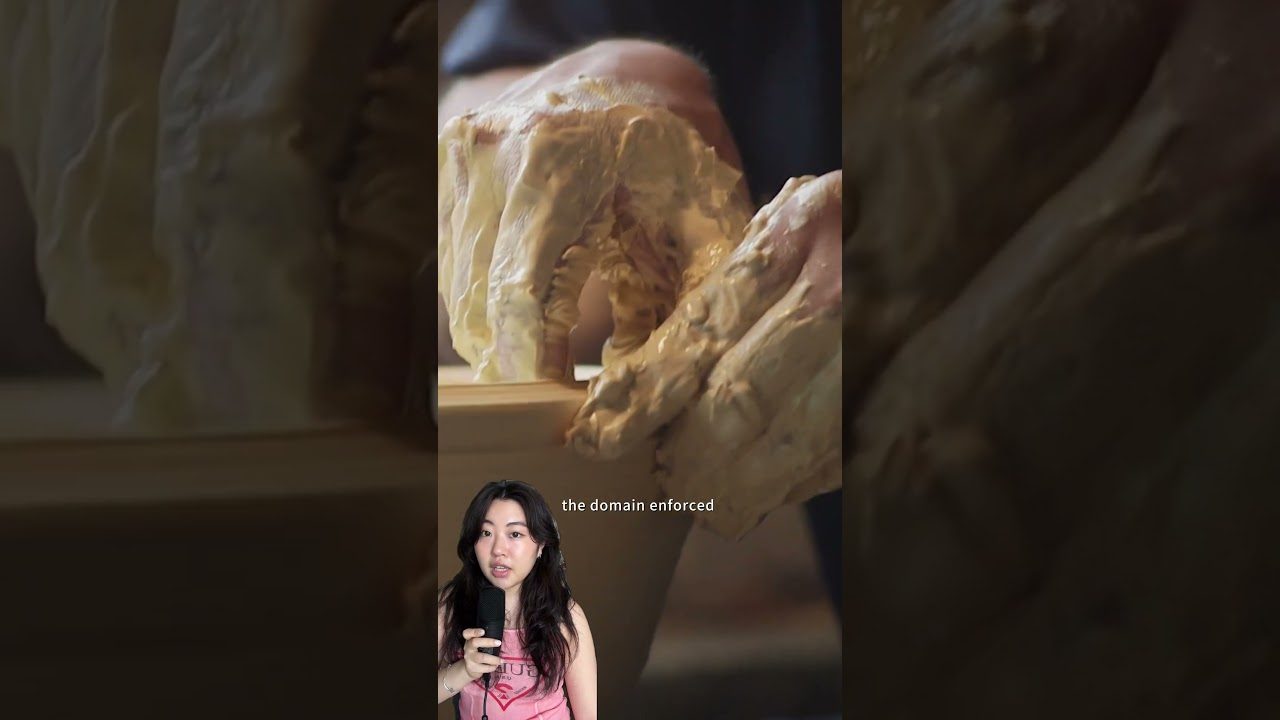
Soon, the Nabeshima domain created their own exclusive ware for shoguns and lords, showcasing peak craftsmanship. Instead of mass production, the domain enforced strict quality standards, pushing artisans to create refined works as gifts for the shogunate. This decision not only elevated Arita Yaki’s status but set it apart from other pottery centers.
Shipped globally from the port of Imari, Arita porcelain reached Europe in the 1600s via Dutch East India Company ships. When Chinese exports paused due to internal strife, “IMARI” porcelain filled the gap and quickly became a favorite among European royalty, so admired that Meissen and Chantilly produced direct imitations.
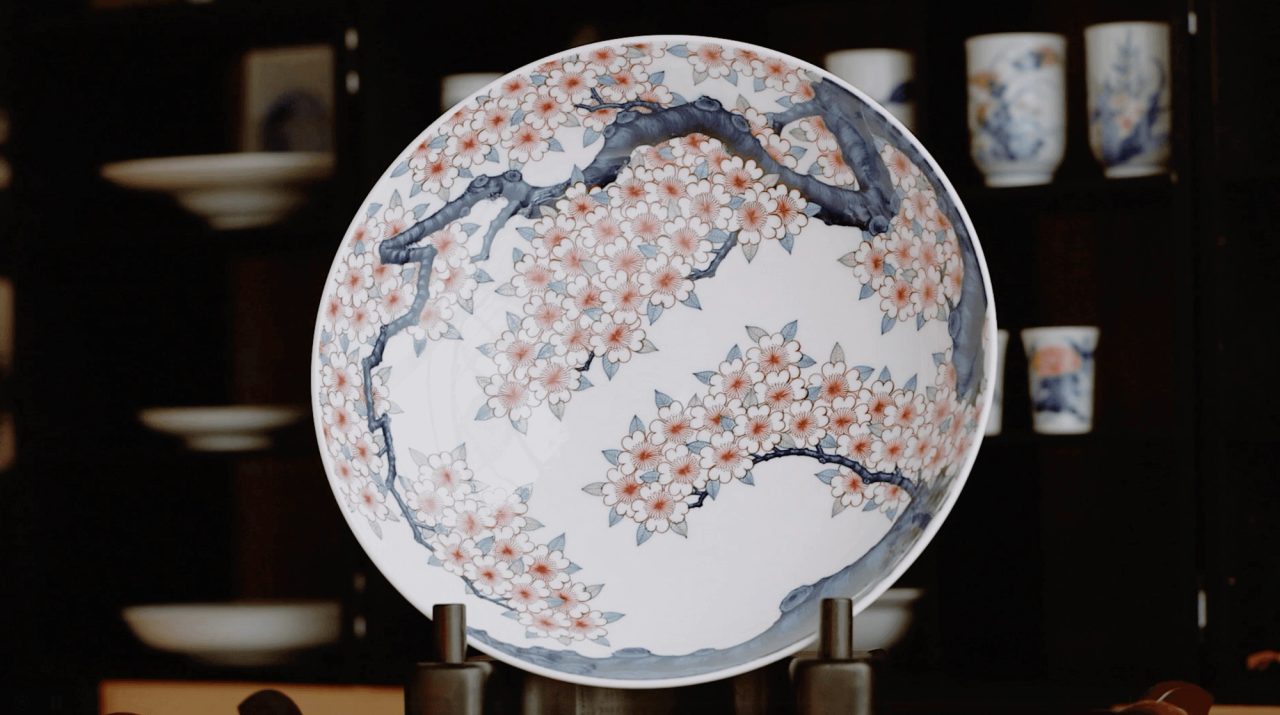
Its appeal lies in the painted designs. Large paintbrushes soaked to the max with colored glaze allowed artisans to create subtle color gradients, bringing depth to each motif.
Today, centuries later, kilns like Kakiemon, Genemon, and Imaemon preserve the legacy, while modern collaborations bring this royal porcelain into everyday life.
Craft Chronicles reaches people who care about how things are actually made.
Sources
- www.youtube.com/watch?v=P-J-127jEIE
- www.youtube.com/watch?v=jKWKYzBT-2k
- www.youtube.com/watch?v=SKEgpcmIE0Y&t=2s
- www.youtube.com/watch?v=wAbpYKFt6aE
- www.youtube.com/watch?v=-ul2O8q0qlw&t=1071s
- yamachu-arita.com/about-arita-ware/
- www.thebecos.com/collections/aritayaki
- kohno-onlineshop.com/blog/characteristics-of-arita-ware/
- www.arita.jp/aritaware/
- www.arita-marukei.com/?mode=f5
- www.ceramic.or.jp/museum/yakimono/contents/imari/sanchi_imari.html
- story.nakagawa-masashichi.jp/craft_post/111949
- www.aritayaki-fun.com/?p=14