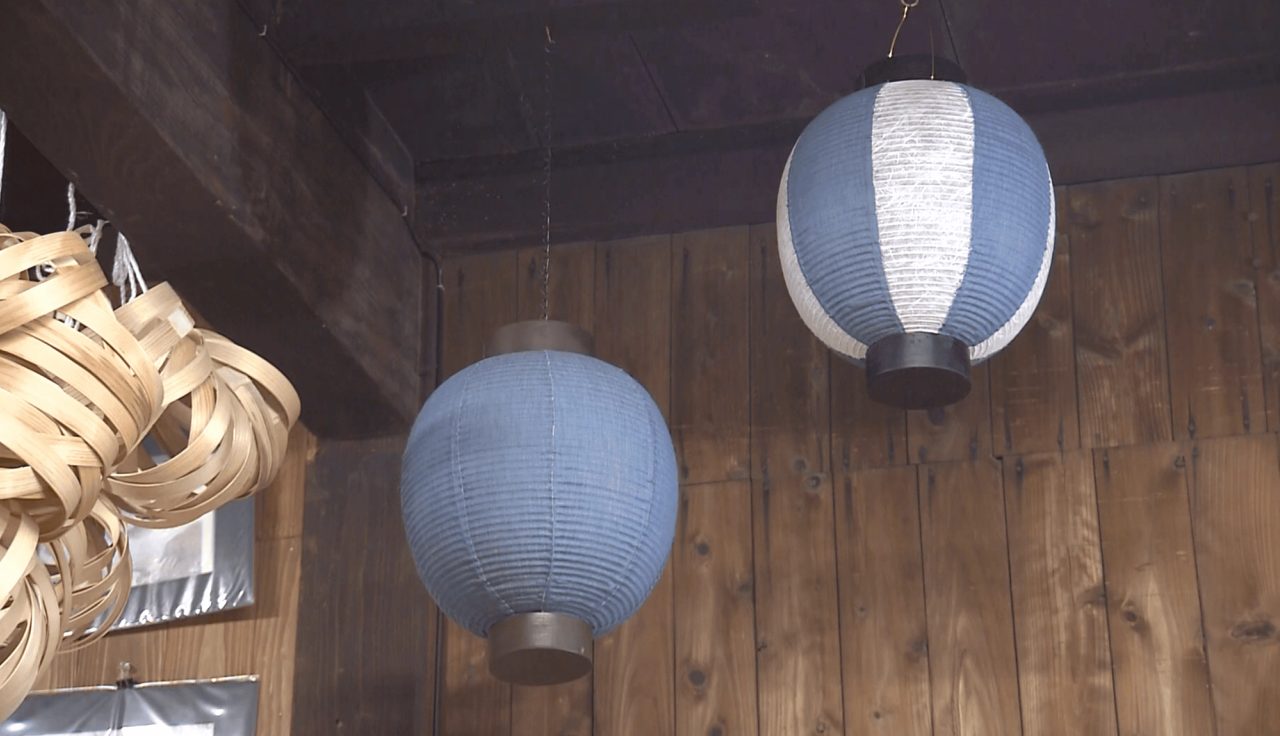
EP.42 · Yame Chochin · Fukuoka
Illuminating the Spirit of Tradition
Over 200 years ago, a craftsman named Aramaki Bunzaemon created simple graveyard lanterns in the peaceful region of Yame, Fukuoka.
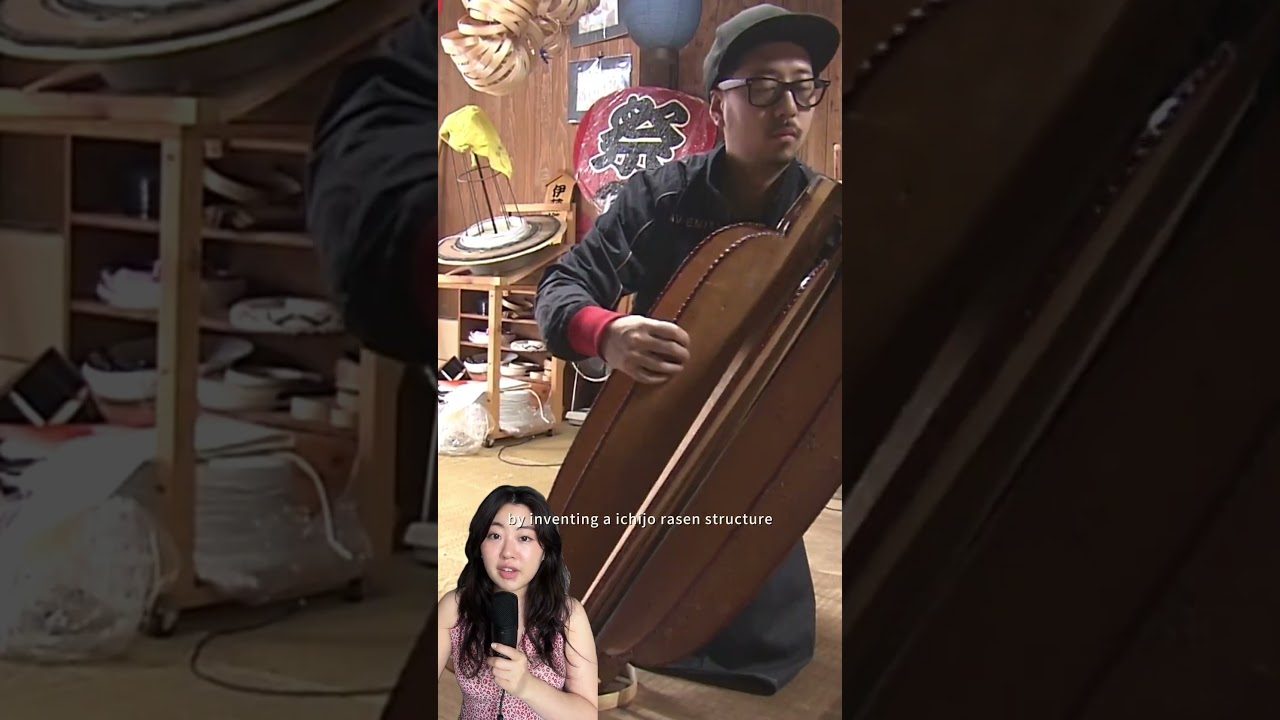
Over 200 years ago, a craftsman named Aramaki Bunzaemon created simple graveyard lanterns in the peaceful region of Yame, Fukuoka. What he may not have realized was that this area, rich in washi production and abundant bamboo, had everything needed to transform his humble lanterns into one of Japan’s most vibrant traditions. About 30 years later, brothers Yoshinaga Tahei and Yoshinaga Ihei advanced the craft by inventing the ichijō rasen structure, making mass production possible.
This technique uses a single, continuous bamboo strip wound in a spiral to form the lantern’s frame. Unlike ring-based lanterns, it uses fewer joints for a smoother silhouette, but demands precision: too loose, it unravels; too tight, the curve is lost.
Once a translucent washi or ultra-thin silk is applied, comes the magic: hand-painted illustrations. With no sketches, artisans paint directly onto the uneven surface of the lantern using fluid, confident brushstrokes.
Today, Yame produces the largest number of bon chochin, lanterns used to guide ancestors. On top of that, artists are reimagining new ways to fit modern homes through collections like cocolan and TORCHIN.
Craft Chronicles reaches people who care about how things are actually made.
Sources
- www.youtube.com/watch?v=0RhYIU2FIhI
- www.youtube.com/watch?v=yS-B49ZbsLg
- www.youtube.com/watch?v=HxCp_DjgTfk
- www.youtube.com/watch?v=tXWLBsc9u18
- www.youtube.com/watch?v=izu6Dimxovc
- www.crossroadfukuoka.jp/feature/traditionalcrafts/yamechochin
- kougeihin.jp/craft/1417/
- www.thebecos.com/collections/yame-lanterns
- nipponnowaza.com/yamechouchin/
- acros.or.jp/r_culture/craftwork_g17.html
- www.kyushu.meti.go.jp/seisaku/seizo/dento/pdf/Vol13_1.pdf