EP.79 · Banshu Kebari · Hyogo
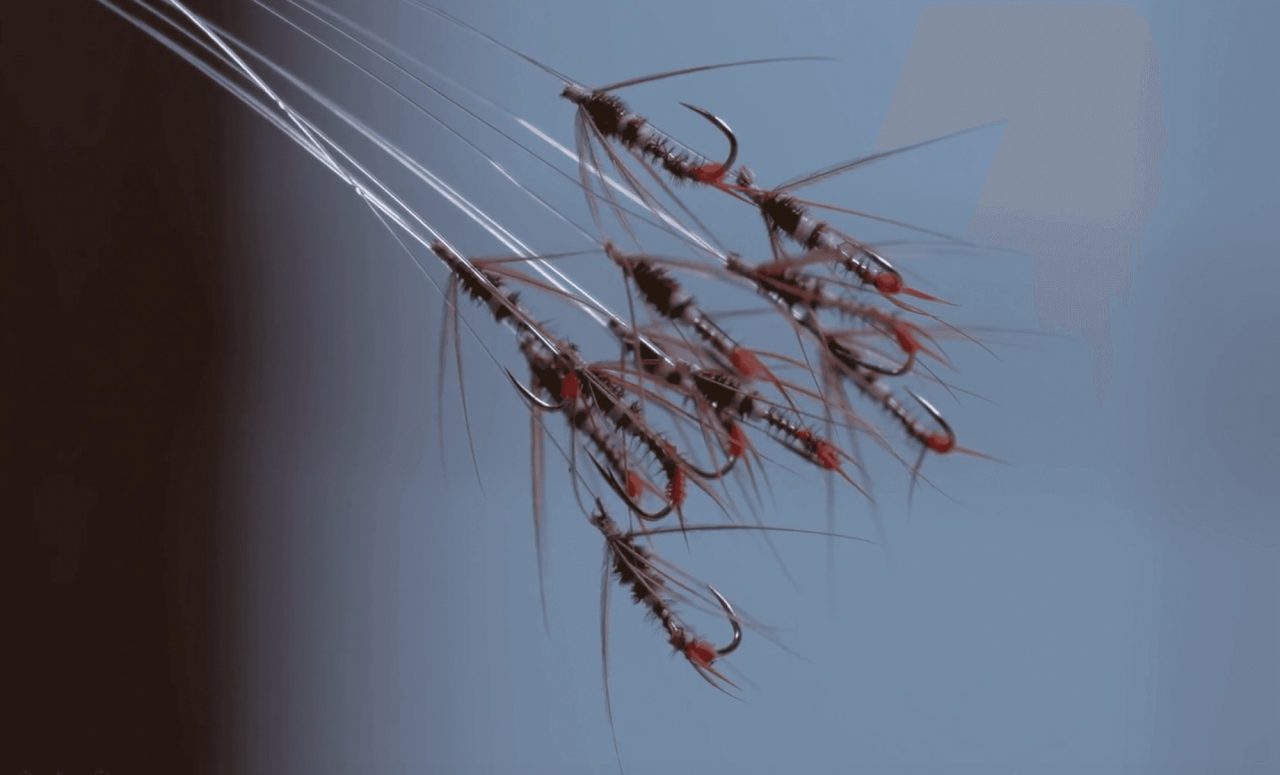
A 1cm Work of Art
The history of fly hooks in Japan goes back to Kyoto in the 1600s. By the late Edo period the craft spread to Hyogo’s Banshu region, where farmers made them in the off-season.
Craft details
- Craft
- Banshu Kebari播州毛鉤
- Material
- Animal materials
- Region
- Hyogo
- Designation
- One of Japan's 244 nationally designated traditional crafts (METI)
The history of fly hooks in Japan goes back to Kyoto in the 1600s. By the late Edo period the craft spread to Hyogo’s Banshu region, where farmers made them in the off-season. In the Meiji era they gained national fame, winning prizes at fishery expositions and becoming trusted gear for anglers.
Made for dobu-zuri style fishing for sweetfish called ayu, Banshu Kebari mimic aquatic insects with feathers bound by silk thread, finished with lacquer and gold leaf.
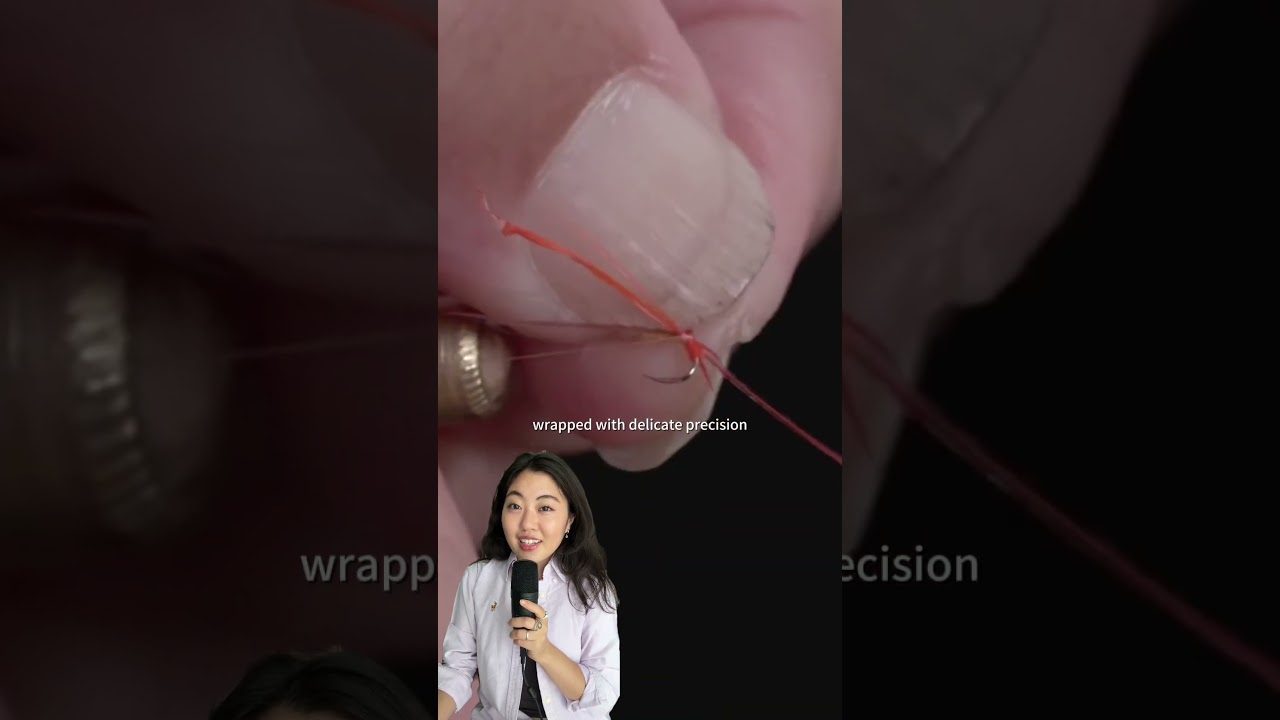
Each hook takes 10–20 minutes, even for veteran artisans. The process begins with a lacquer coat, then feathers from sparrows, pheasants, or Nagoya Cochin roosters are wrapped with delicate precision. The challenge is fanning the feathers evenly so the hook moves like a real insect underwater. A final touch of lacquer and gold leaf completes the head.
Unlike mass-produced synthetic fly hooks, Banshu Kebari are miniature works of art. With over 500 varieties for different seasons and rivers, they are prized by collectors and often displayed like jewelry.
They remain trusted by anglers and are also turned into modern accessories enjoyed by many.
Craft Chronicles reaches people who care about how things are actually made.
Sources
- www.youtube.com/watch?v=Pb-Gv1rOafg
- www.youtube.com/watch?v=iHT3cFNyWqs
- kogeijapan.com/locale/ja_JP/banshukebari/
- kougeihin.jp/craft/1414/
- www.thebecos.com/collections/banshu-fishing-flies
- kitaharima-jibasan.org/banshubari02.html
- www.bantsuri.com/kebari/story/index.html
- www.nikkei.com/article/DGXMZO64852470Z01C20A0AA1P00/