EP.78 · Osaka Ranma · Osaka
Windows of Light and Air
Wooden panels called ranma have decorated Japanese buildings for centuries, with examples at the 400‑year‑old Senjin Shrine and Shitennoji Temple.
Wooden panels called ranma have decorated Japanese buildings for centuries, with examples at the 400‑year‑old Senjin Shrine and Shitennoji Temple. Set above sliding doors, they allow light to come in as well as air circulate, vital to Japan's humid climate. By the Edo period, ranma spread to merchant homes, and Osaka, with its timber markets and wealthy merchants, became a major production center.
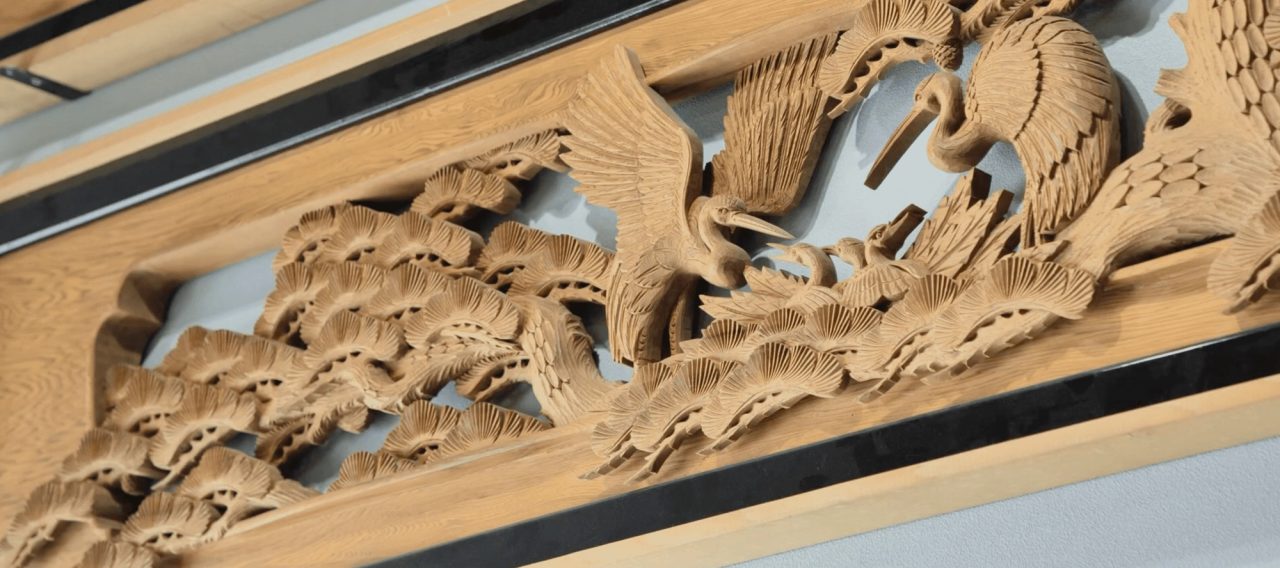
There are many variations of Osaka Ranma, but the most intricate is the carved Chokoku Ranma. Landscapes, cranes, or waves are carved with remarkable depth. Crafting one requires timber aged 200–300 years, dried for months or years to prevent warping. Artisans sketch directly on the board, then saw and chisel layer by layer, respecting the grain so flowing lines and three‑dimensional detail emerge. Every element, from clouds to feathers, must balance strength and delicacy. Finally, the surface is polished with natural waxes like ibota. Depending on the motif, a single panel can take weeks or even months.
Today, with fewer traditional homes, Osaka Ranma continues in modern forms, minimalist designs, art panels, folding screens, and décor.

Craft Chronicles reaches people who care about how things are actually made.
Sources
- www.youtube.com/watch?v=w10rkDaMFIQ
- www.youtube.com/watch?v=UGg8a6YltxE
- www.youtube.com/watch?v=Yv4xfzQlYlM
- www.youtube.com/watch?v=mTBFmZf0Klo
- www.youtube.com/watch?v=rT1_lVWeU4A
- kogeijapan.com/locale/ja_JP/osakaranma/
- waknot.com/crafts/1374
- kougeihin.jp/craft/0620/
- www.pref.osaka.lg.jp/o110070/mono/dento/seihin01.html
- osaka-ranma.com/