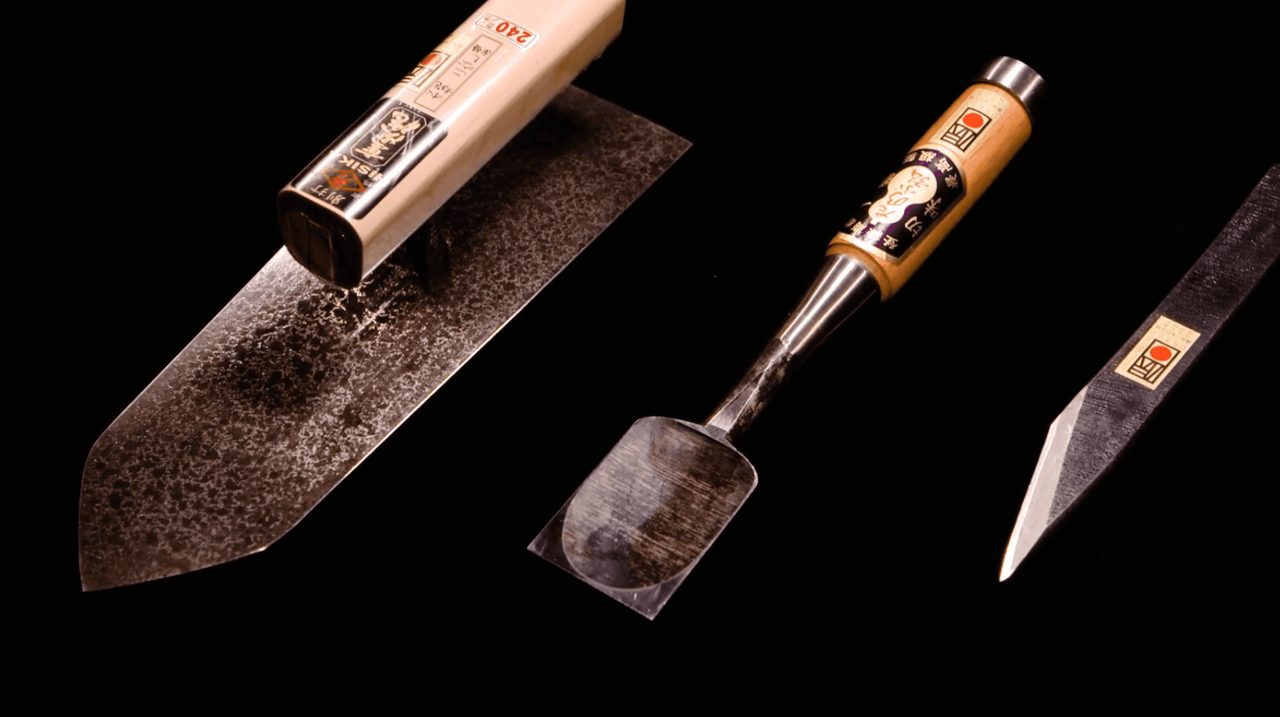
EP.112 · Banshu Miki Hamono · Hyogo
Japan’s First City of Fire
According to legend, Empress Jingū (神功皇后) was offered sake by local villagers while resting during her expedition to the Korean Peninsula.
According to legend, Empress Jingū (神功皇后) was offered sake by local villagers while resting during her expedition to the Korean Peninsula. Delighted by the drink, she named the place miki (酒壺) , meaning “sake vessel.”
After her campaign, craftsmen from Baekje are said to have settled here, bringing advanced metalworking skills that blended with Yamato forging traditions. Soon, Miki emerged as a land of iron and fire, the foundation of one of Japan’s oldest forging towns.
Banshu Miki Uchihamono consists of five essential tools: chisels, saws, planes, trowels, and knives. Each are made in specialized workshops, developing a culture where each tool evolved independently, shaped by its specific use.
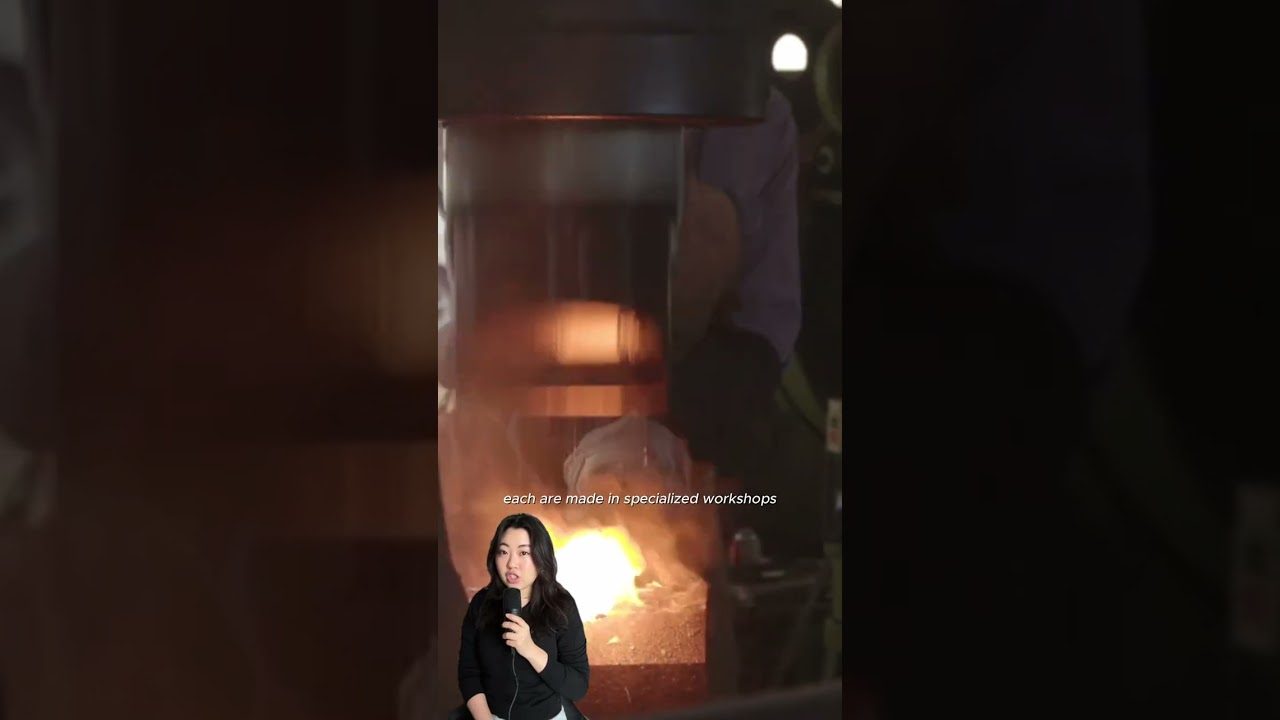
Soft iron and high-carbon steel are heated, joined, and shaped by hand. Every strike and temperature change is guided by the craftsman’s eyes and ears.
The result is a blade trusted for generations by carpenters, sculptors, and builders who rely on their tools as extensions of their hands. Even today, while modern equipment supports certain steps, the core philosophy remains unchanged: tools are made for the people who use them.
Craft Chronicles reaches people who care about how things are actually made.
Sources
- www.youtube.com/watch?v=8UN80QmYAbA
- www.youtube.com/watch?v=nk4WB2mi-i8
- www.youtube.com/watch?v=cKczkbwDMy0
- www.youtube.com/watch?v=8K8_owIA_kQ
- www.youtube.com/watch?v=v352HORNFdI
- www.youtube.com/watch?v=SBviwoQzaXE
- www.youtube.com/watch?v=PIVeySotXDc
- kogeijapan.com/locale/ja_JP/banshumikiuchihamono/
- kougeihin.jp/craft/0712/
- www.miki-kanamono.or.jp/history/
- kaeru-kogei.com/details_banshu-miki-uchihamono/
- waknot.com/local/1837
- shingi-ittai.jp/articles/667/