EP.113 · Gifu Chochin · Gifu
The Art of Refined Illumination
With access to fine Mino washi and resilient bamboo, Gifu developed lanterns of exceptional refinement from the early Edo period.
With access to fine Mino washi and resilient bamboo, Gifu developed lanterns of exceptional refinement from the early Edo period. This focus on quality sustained the craft even when gas and electricity reduced lantern demand nationwide, as Gifu specialized in high-end Buddhist altar lanterns. In 1878, after Emperor Meiji noticed them during his visit, Gifu Chochin gained national recognition.
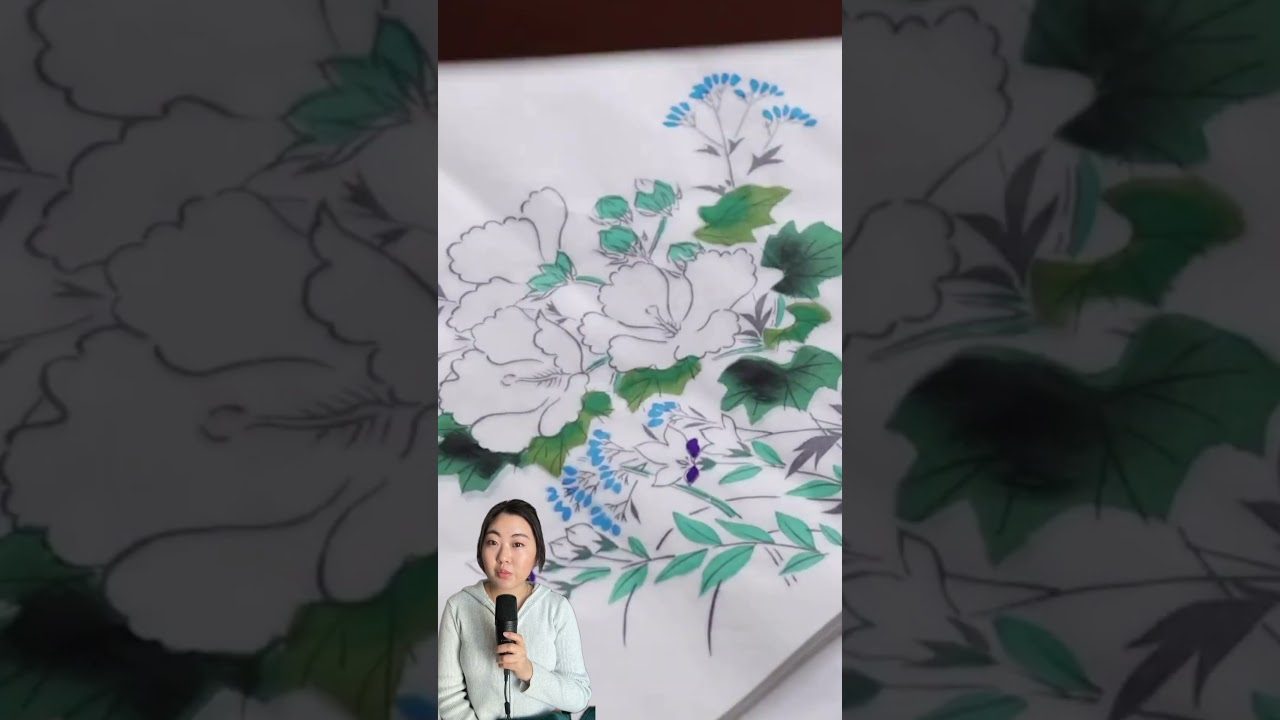
Production begins with surikomi (摺込), Gifu’s signature technique. Using carved woodblocks and Ise katagami stencils, artisans layer color, sometimes over 100 steps, applying pigments with controlled pressure to create gradients and translucency that come alive when lit.
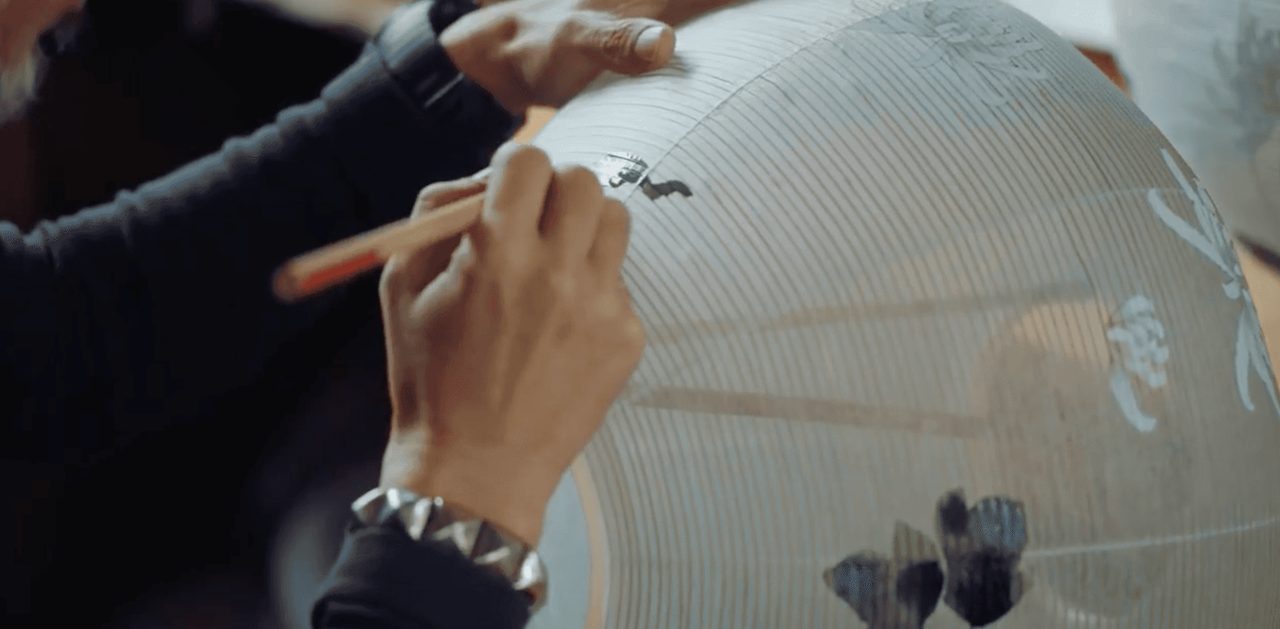
Next, the harishi (張師) form the structure. Ultra-thin bamboo is spiraled around a mold with precise tension, then the decorated washi is glued onto the ribs. Without precise control, the entire thing can fall apart or become too rigid without the signature warm curves.
After drying, the eshi (絵師) add hand-painted details directly onto the curved surface, freehanding consistent designs across hundreds of lanterns with remarkable precision.
Today, Gifu Chochin illuminate both Buddhist altars and contemporary homes, hotels, and galleries worldwide.
Craft Chronicles reaches people who care about how things are actually made.
Sources
- kogeijapan.com/locale/ja_JP/gifuchochin/
- www.gifu-chochin.or.jp/about/
- akariya-jishichi.co.jp/apps/note/category/monodukuri/
- www.ozeki-lantern.co.jp/index.html
- www.isaburou.co.jp/about/
- www.youtube.com/watch?v=W94Bww7fEYs
- www.youtube.com/watch?v=iEf39azyOFE
- www.youtube.com/watch?v=93tUSN6kR34
- www.youtube.com/watch?v=nd2JcErsDQM
- www.youtube.com/watch?v=joVdUIwI1W4