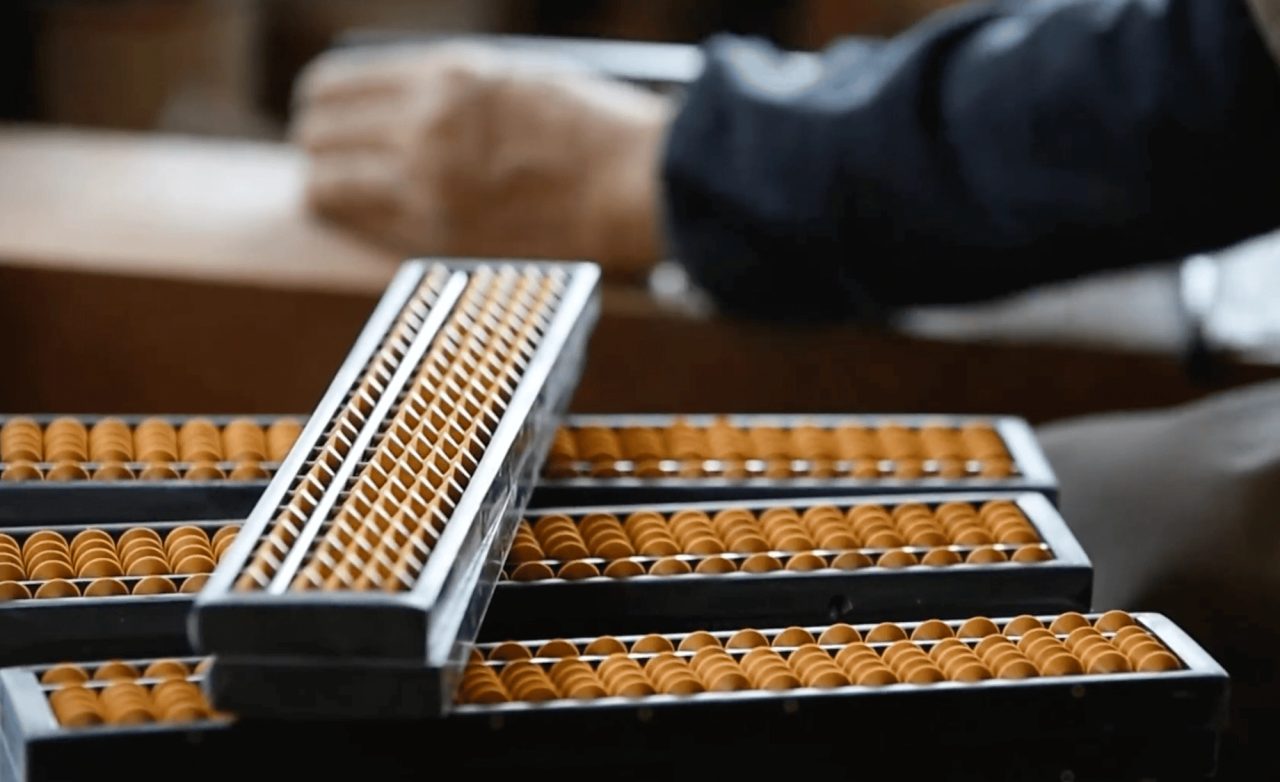
EP.91 · Banshu Soroban · Hyogo
The Craft that Supports Math in Japan
More than 400 years ago in Ono (小野), residents fleeing Sengoku‑era conflict brought Otsu’s (大津) soroban‑making skills home.
More than 400 years ago in Ono (小野), residents fleeing Sengoku‑era conflict brought Otsu’s (大津) soroban‑making skills home. As temple schools spread in the Edo period, “reading, writing, and soroban” became essential, turning Ono into Japan’s top production center.
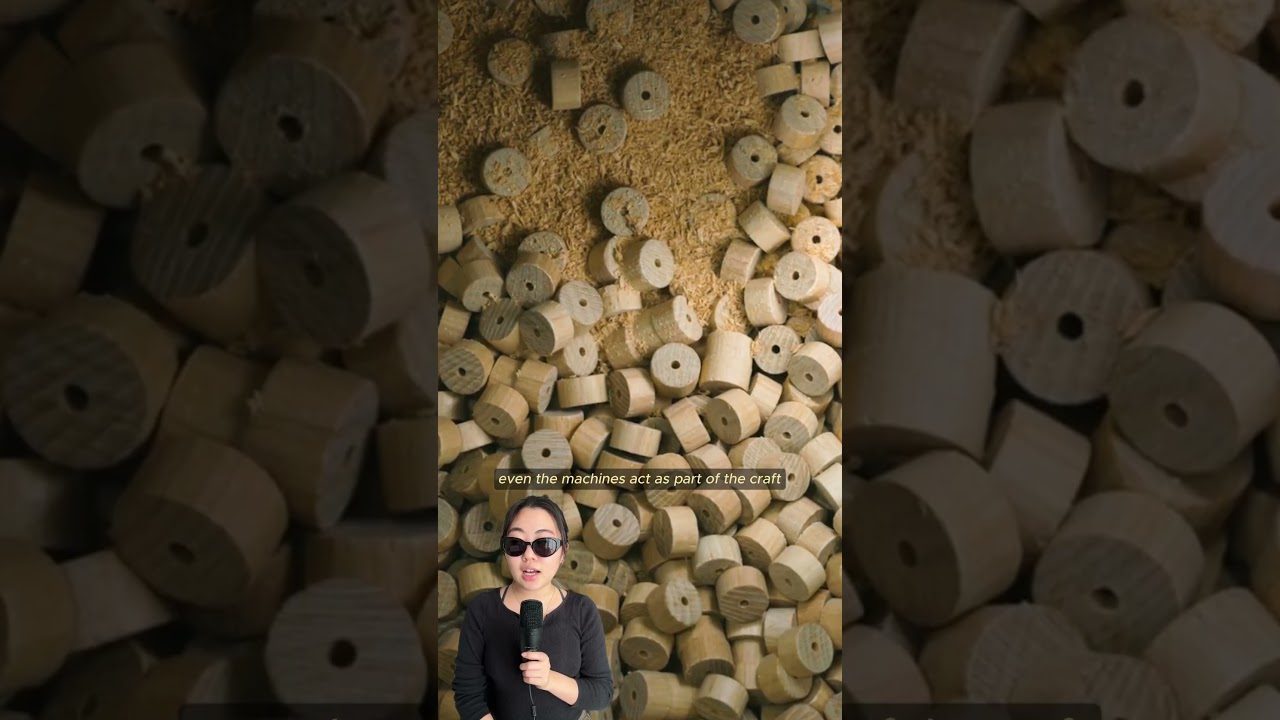
Banshu Soroban (播州そろばん) is built through over 100 specialized steps: hardwood beads carved for uniformity, and bamboo axles polished to precise on hundredth of a millimeter. Even the machines act as part of the craft, as artisans listen for subtle changes in sound and adjust in real time. The sawdust left on the machines isn’t neglect but calibration; cleaning it would alter the balance and change how each bead is shaped. Once it is framed and polished, the result is not just a calculator, but a tactile wooden instrument with weight and rhythm.
Though calculators once reduced demand, Banshu Soroban now thrives as a tool for focus and mental math, with many schools still open for children and adults to learn around the world. Ono still produces over 70,000 soroban a year, keeping this craft alive.
Craft Chronicles reaches people who care about how things are actually made.
Sources
- www.youtube.com/watch?v=4x22Isd4b-M
- www.youtube.com/watch?v=BMlxF26xD40
- www.youtube.com/watch?v=TLfygC-NltY
- www.youtube.com/watch?v=2Q88O7kaFc0
- www.youtube.com/watch?v=mRaI3Q44vR8
- www.youtube.com/watch?v=ct6QuaNOAKs
- www.youtube.com/watch?v=m2wl3UjtIjk
- kogeijapan.com/locale/ja_JP/banshusoroban/
- daiichi-j.com/banshusoroban
- waknot.com/local/280
- hyogocraft.com/?story=banshu_soroban
- web.pref.hyogo.lg.jp/sr09/jibasan/21.html
- daiichi-j.com/archives/634
- shingi-ittai.jp/japan-arts/articles/32/