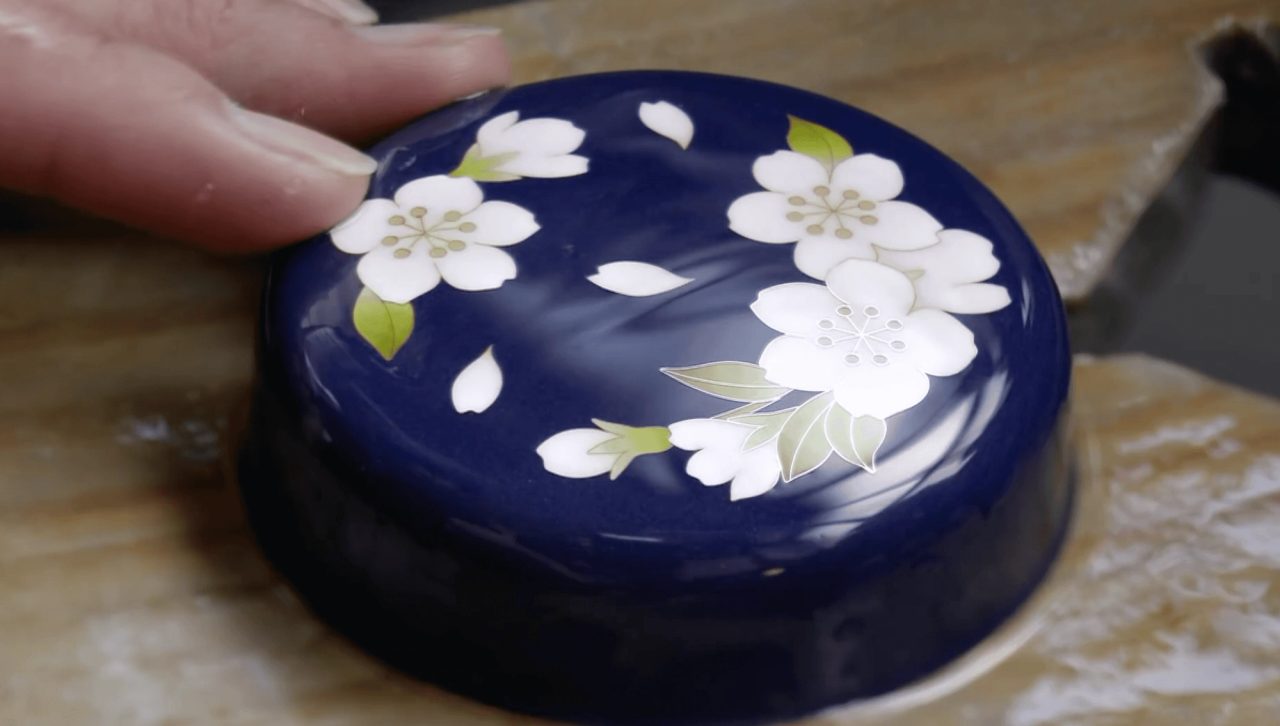
EP.90 · Owari Shippo · Aichi
The Samurai Who Unlocked Enamel’s Secret
In the 1830s, Kaji Tsunekichi (梶常吉) , a young samurai, became obsessed with an imported Dutch enamel plate.
In the 1830s, Kaji Tsunekichi (梶常吉) , a young samurai, became obsessed with an imported Dutch enamel plate. With no manuals or teachers to rely on, he smashed the plate to study its core, discovering a copper base fused with glassy enamel. That moment sparked the birth of modern Japanese cloisonné.
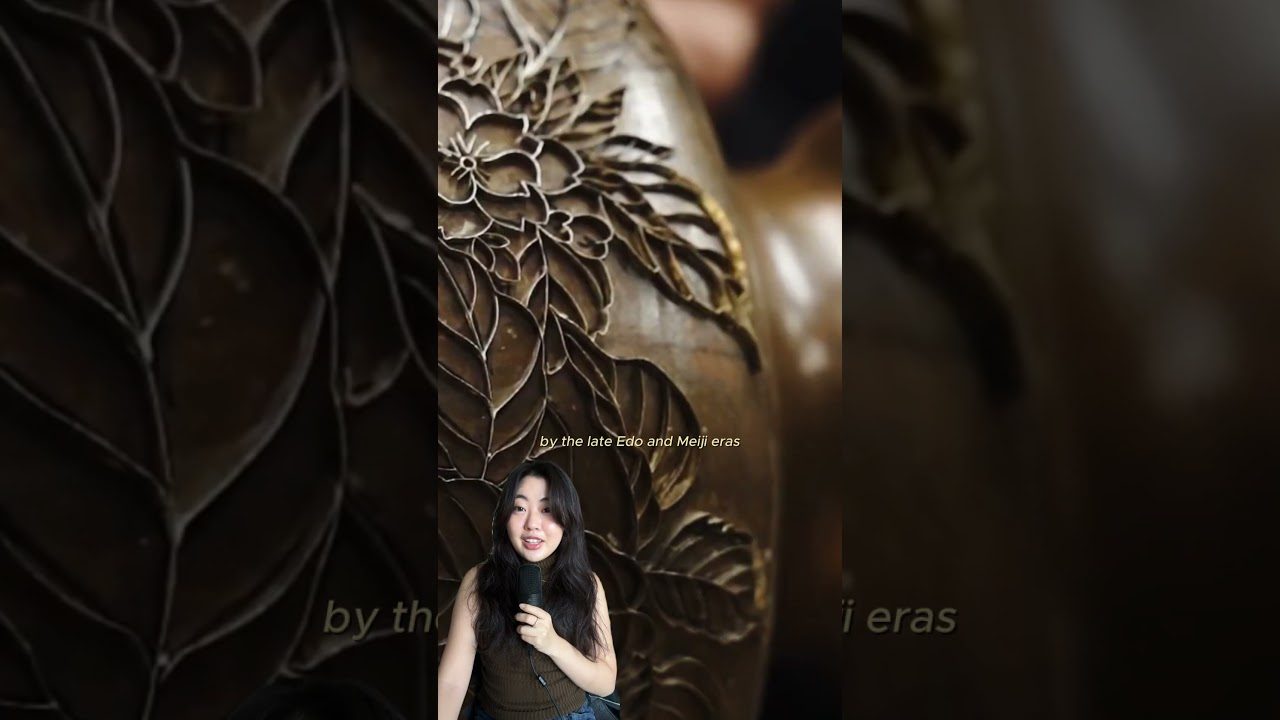
Tsunekichi spent 14 years perfecting the technique, and soon the craft spread across local workshops, turning Aichi into Japan’s cloisonné capital. By the late Edo and Meiji eras, Owari Shippo was acclaimed worldwide, even earning recognition at the 1867 Paris Expo.
The process begins with shaping a copper base, followed by brushing on the underdrawing. Artisans then place fine silver wires by hand, forming outlines for flowers, birds, and landscapes. These compartments are filled with colored glass enamel and fired at 700–800°C. After multiple firings, the surface is sanded and polished to reveal its gemstone-like shine.
Today, Owari Shippo lives far beyond traditional vases, appearing in lighting, art panels, jewelry, and modern interiors. Its luminous colors continue to inspire collectors and designers around the world.
Craft Chronicles reaches people who care about how things are actually made.
Sources
- www.youtube.com/watch?v=zIJbL5wax8I
- www.youtube.com/watch?v=P3GveG0dB4M
- www.youtube.com/watch?v=zyBoRM2ZWOg
- www.youtube.com/watch?v=YnW-TbAdJxo
- www.youtube.com/watch?v=7y64h5iu618
- www.youtube.com/watch?v=BFGsrlSRB8w
- kogeijapan.com/locale/ja_JP/owarishippo/
- katoshippo.com/page/history-of-cloisonne
- ginza-shinseido.com/blog/309/
- waknot.com/local/1472
- yattokame.jp/yattokamelife/moyako/gigei/1041.html
- blog.tokyo-shippou.com/blog/16499/