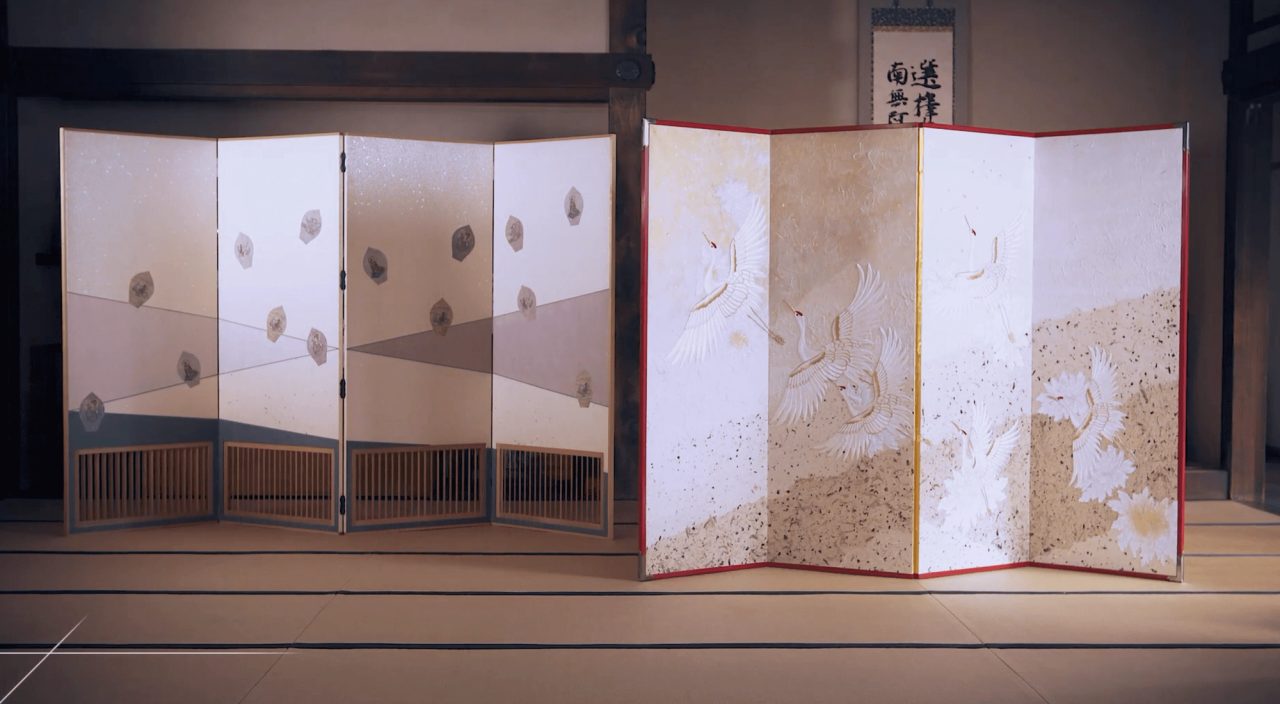
EP.104 · Edo Hyogu · Tokyo
The Art Behind the Art
Over a thousand years ago, mounting techniques arrived in Japan from China alongside Buddhism to protect sutras and Buddhist paintings.
Over a thousand years ago, mounting techniques arrived in Japan from China alongside Buddhism to protect sutras and Buddhist paintings. The craft first flourished in Kyoto’s temple culture, before evolving in Edo, where growing urban life made calligraphy and painting part of everyday culture.
What sets Edo Hyogu apart is its aesthetic. Artisans select textiles for each work much like choosing the right kimono, reflecting the Edo townspeople’s taste for clean lines, restrained colors, and quiet elegance.
The craft relies on simple materials such as handmade washi paper, kireji (切れ地) textiles, water, and starch-based paste, but demands extraordinary skill. Artworks are reinforced by layering different types of washi on the back and carefully framing them, precisely controlling tension and moisture.
Because of this process, Edo Hyogu is not only about presentation, but preservation. Using these techniques, master craftsmen can restore and remount artworks again and again, allowing them to survive and be appreciated for centuries.
As Japanese homes change, artisans continue to adapt Edo Hyogu for modern interiors, integrating scrolls and mounted works seamlessly into Western-style spaces.
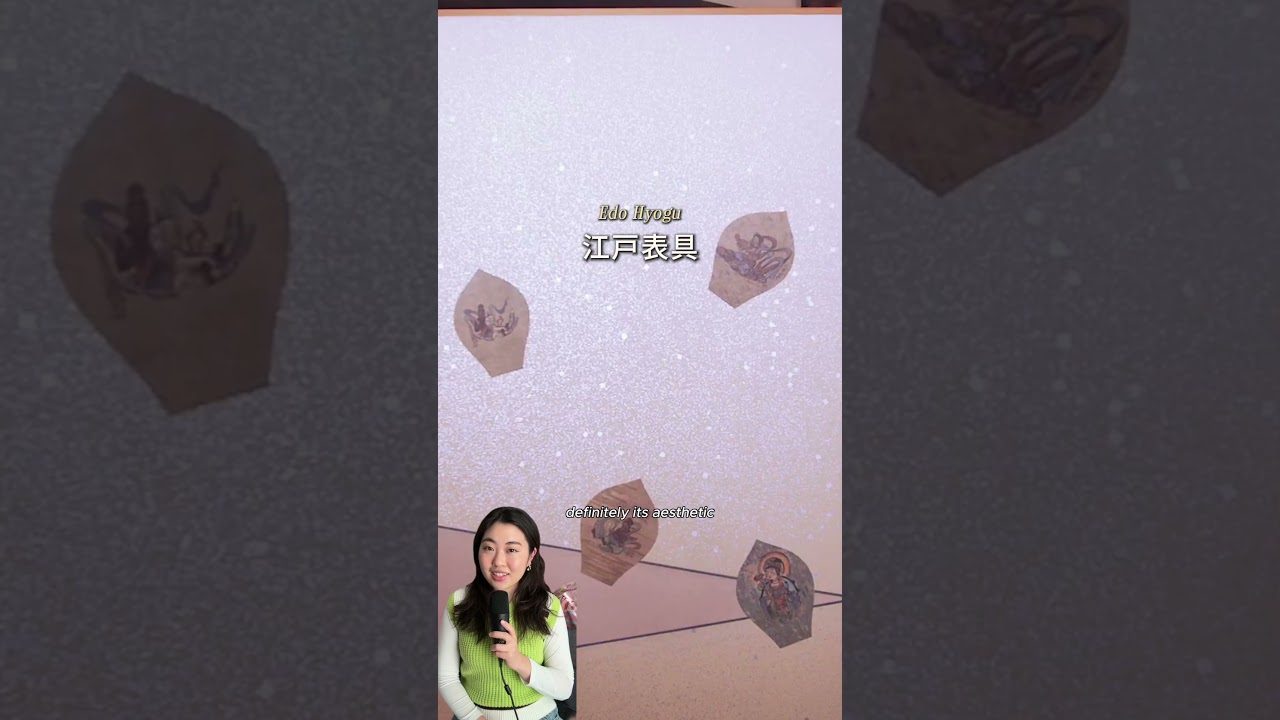
Craft Chronicles reaches people who care about how things are actually made.
Sources
- www.youtube.com/watch?v=UfZTEBrwwj4
- www.youtube.com/watch?v=81Dr7DaHEsg
- www.youtube.com/watch?v=S1Y_XfsyJq0
- www.youtube.com/watch?v=xILjeBCg41g
- www.youtube.com/watch?v=6dsahWNc9d4
- edo.tokyo-hyougu.jp/
- kogeijapan.com/locale/ja_JP/edohyogu/
- www.dento-tokyo.metro.tokyo.lg.jp/items/30.html#gsc.tab=0
- craft.city.taito.lg.jp/craft/2921/
- www.city.nerima.tokyo.jp/kankomoyoshi/annai/dento/hyogu/index.html