EP.103 · Noto Jofu · Ishikawa
As Light as a Cicada’s Wing
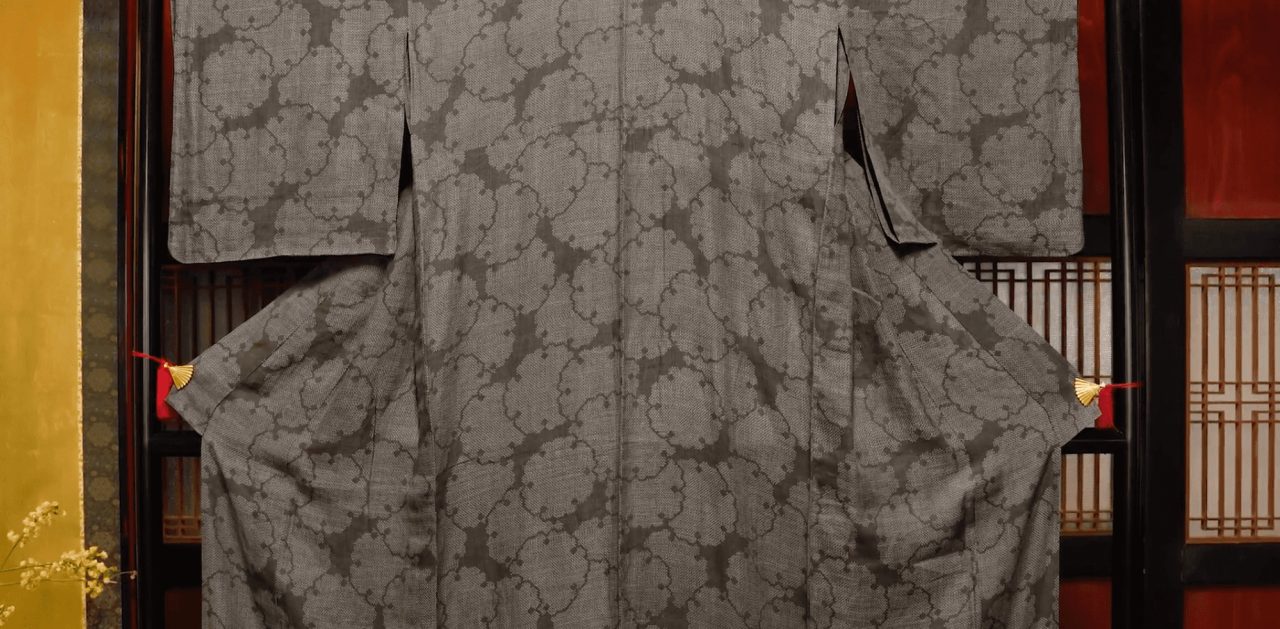
Nearly two thousand years ago, a princess of Emperor Sujin (崇神天皇) is said to have taught weaving in what is now central Noto, marking the beginning of Noto Jofu, one of Japan’s highest-grade hemp textiles.
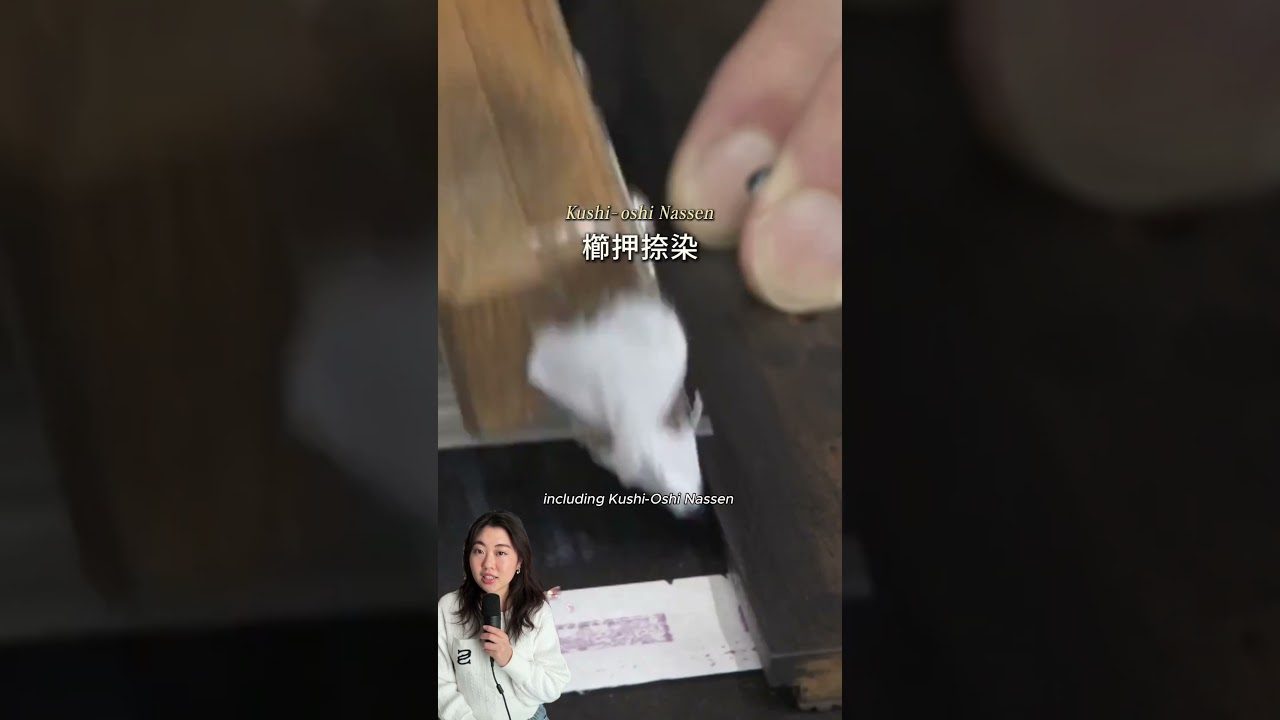
Noto Jofu uses 100 percent ramie, a traditional Japanese hemp fiber valued for its strength and crisp texture. These threads are dyed using unique techniques, including kushi-oshi nassen (), which uses comb-like tools to press dye directly into the yarn. This method produces sharp patterns with minimal bleeding, which are aligned into highly intricate cross designs by hand during the weaving process.
Traditionally worn as refined summer daily wear, Noto Jofu’s crisp texture creates space between the skin and the fabric, allowing air to circulate freely. Highly absorbent, it draws in perspiration and releases it through evaporation, enhancing its cooling effect.
As postwar lifestyles shifted and kimono use declined, the industry faded, leaving just one remaining workshop today. However, Noto Jofu lives on strong. Durable enough to be hand-washed and worn for decades, it softens with age, rewarding those who choose to live with it over time.
Craft Chronicles reaches people who care about how things are actually made.
Sources
- www.youtube.com/watch?v=UAumcvQifNY
- www.youtube.com/watch?v=rYQ4vVbTSVs
- www.youtube.com/watch?v=fsLLLUNiWKc
- www.youtube.com/watch?v=tcFvzZZ6iGI
- www.youtube.com/watch?v=JALfIkkC9AQ
- www.youtube.com/watch?v=JoJggAwFgZM
- www.youtube.com/watch?v=L-D3ProGp8w
- notojofu.com/
- notojofukaikan.com/
- www.city.hakui.lg.jp/soshiki/sangyoukensetsubu/syoukoukankouka/12/1/16856.html
- www.motoji.co.jp/blogs/reading/waoristory-yamazakijinichi
- kanazawa.hakuichi.co.jp/blog/detail.php?blog_id=98