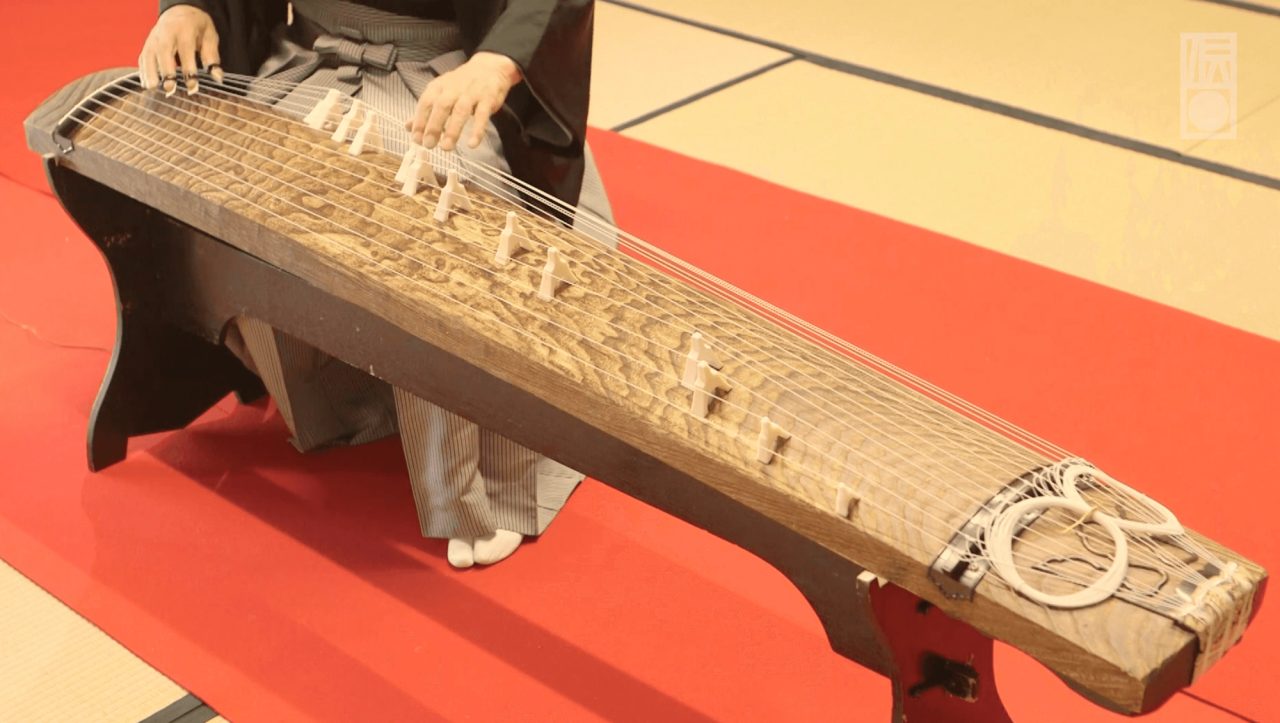
EP.86 · Fukuyama Koto · Hiroshima
The Sound of Perfection
When feudal lord Mizuno Katsunari built Fukuyama Castle in 1619, the castle town flourished with music and the arts under his patronage.
When feudal lord Mizuno Katsunari built Fukuyama Castle in 1619, the castle town flourished with music and the arts under his patronage. By the late Edo period, master koto player Kuzuhara Kōtō brought Kyoto’s refined koto music home, inspiring artisans and musicians across the region. Over time, the Fukuyama Koto became treasured for both its pure sound and its remarkable craftsmanship.
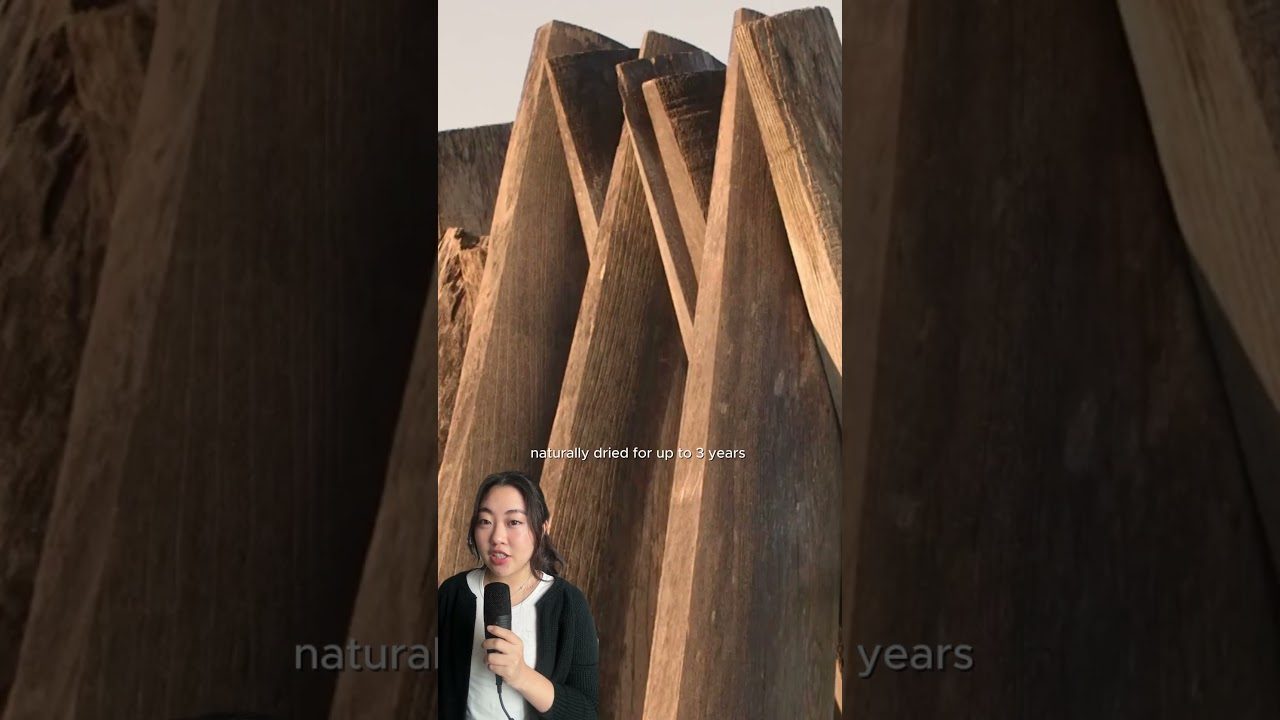
Each Fukuyama Koto begins with the finest kiri wood, naturally dried for up to three years to prevent warping. The body’s elegant curve is hand-carved, burned, and polished to highlight the wood grain. The heart of the koto lies in the underside, which is carefully shaped and patterned by hand. Even fractions of a millimeter in thickness alter how sound travels through the body, producing tones so clear they linger in the air even after each string stops vibrating.
Finally, decorations such as gold maki-e lacquer adorns the surface, merging visual brilliance with musical grace.
From concert halls to classrooms, the Fukuyama Koto continues to resonate across Japan as the first instrument designated as a national traditional craft.
Craft Chronicles reaches people who care about how things are actually made.
Sources
- www.youtube.com/watch?v=lV_z_n_ce2w
- www.youtube.com/watch?v=6e4aS9GisyM
- www.city.fukuyama.hiroshima.jp/site/miryoku2023/288043.html
- www.pref.hiroshima.lg.jp/soshiki/78/1170644390350.html
- kogeijapan.com/locale/ja_JP/fukuyamakoto/
- www.fukuyama.or.jp/promotion/traditional/fukuyamakoto/
- www.buyhiro.com/craft/koto.html
- hitokoto-monokoto.jp/1039
- kaeru-kogei.com/details_fukuyama-koto/