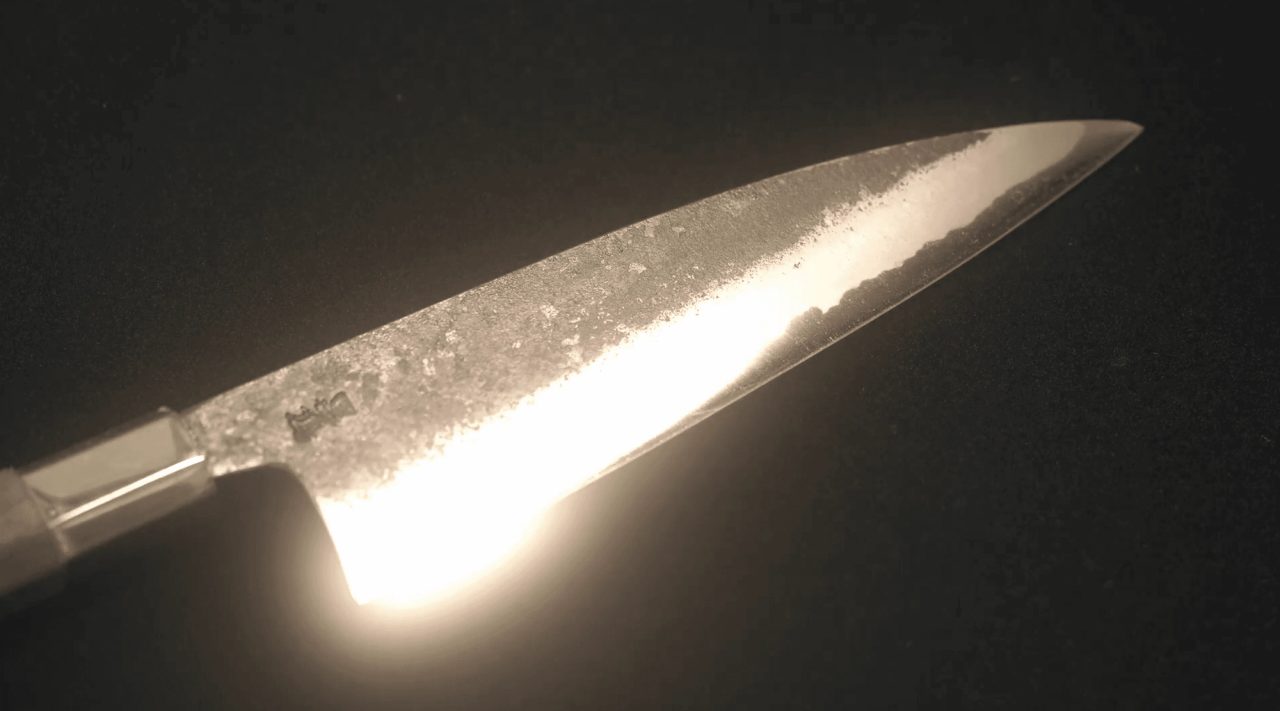
EP.85 · Tosa Uchi Hamono · Kochi
Forged in Freedom
Kochi Prefecture, once called Tosa, is a land of forests. Over 80% of it covered in trees, much cultivated for timber.
Kochi Prefecture, once called Tosa, is a land of forests. Over 80% of it covered in trees, much cultivated for timber. To carve through these mountains, production of durable blades were essential.
In 1590, warlord Chosokabe Motochika (長宗我部元親) brought swordsmiths to Tosa, merging their katana-forging skills with local blacksmiths’ practical craft. Like samurai swords, Tosa blades insert hard but brittle steel between strong flexible iron, achieving sharpness and strength vital for harsh natural conditions.
By the Edo period, as forestry and farming prospered, these techniques evolved into Jiyū Tanzō (自由鍛造) or “free forging,” a philosophy that still defines the Tosa Uchihamono today.
Each blade is forged by one craftsman, from shaping to sharpening, freely adapting to the user’s needs. This freedom allows endless variation for each user, a curve for mountain soil, an angle for coastal farms, and balance down to the gram that it fits perfectly to the users specifications.
Today, around forty blacksmiths across Kochi keep this tradition alive, crafting everything from forestry tools to renowned kitchen knives, proof that the blade’s art is as much about resilience as sharpness.
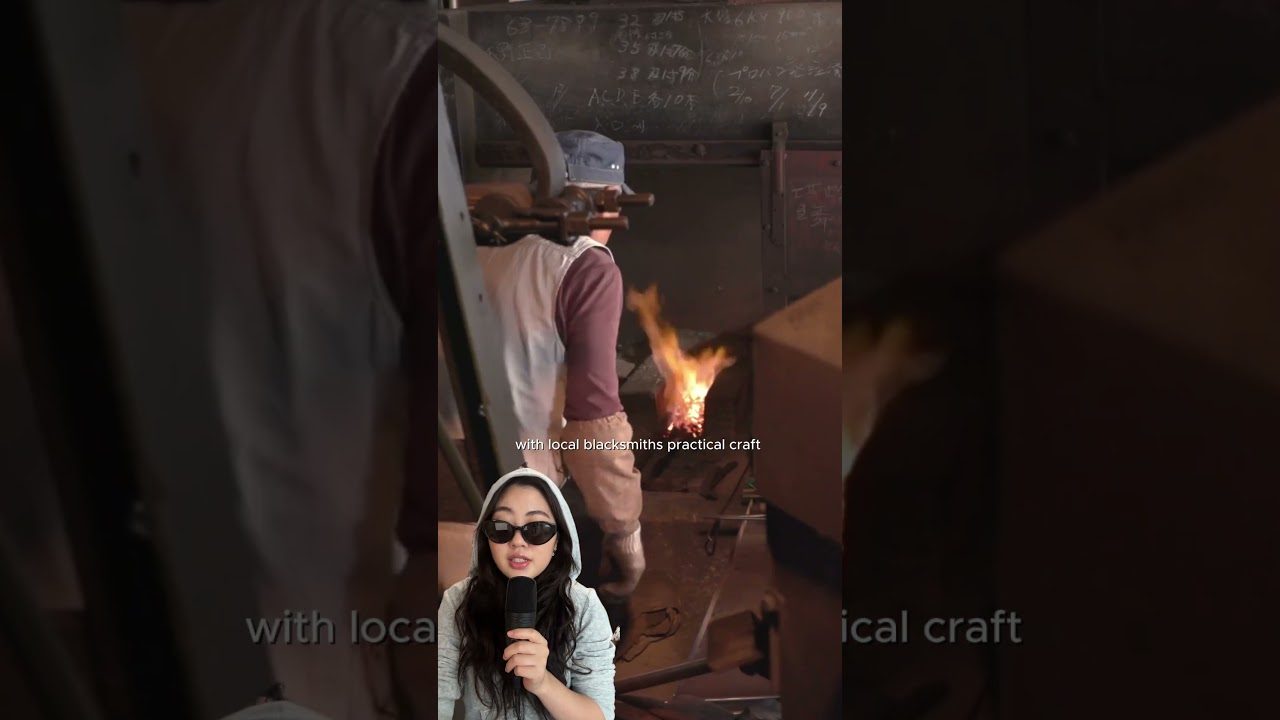
Craft Chronicles reaches people who care about how things are actually made.
Sources
- www.youtube.com/watch?v=qiMBLewFXDo
- www.youtube.com/watch?v=guwhIsUFb9s
- www.youtube.com/watch?v=79c5HcpLNX0
- www.youtube.com/watch?v=ykVZ10AIM-A
- www.youtube.com/watch?v=lPD_Pj5Dzs0
- www.youtube.com/watch?v=ZBmD4BXB1VQ
- utihamono.com/
- kogeijapan.com/locale/ja_JP/tosauchihamono/
- www.city.kochi.kochi.jp/site/tosa-kogei/tosanotezukuri-tosauchihamono.html
- kochi-marugoto.com/special-tosauchi-hamono.html
- www.tosahamono.or.jp/wevent/?q=e02|003
- fishingcafe.shimano.co.jp/post_editersnote/vol70_07/