EP.72 · Honba Kihachijo · Tokyo
The “Final Destination” of Kimono Fabrics?
Around the 15th century, a unique textile was presented as tribute to the imperial court, originating from the island of Hachijo (八丈) 300 kilometers south of Tokyo.
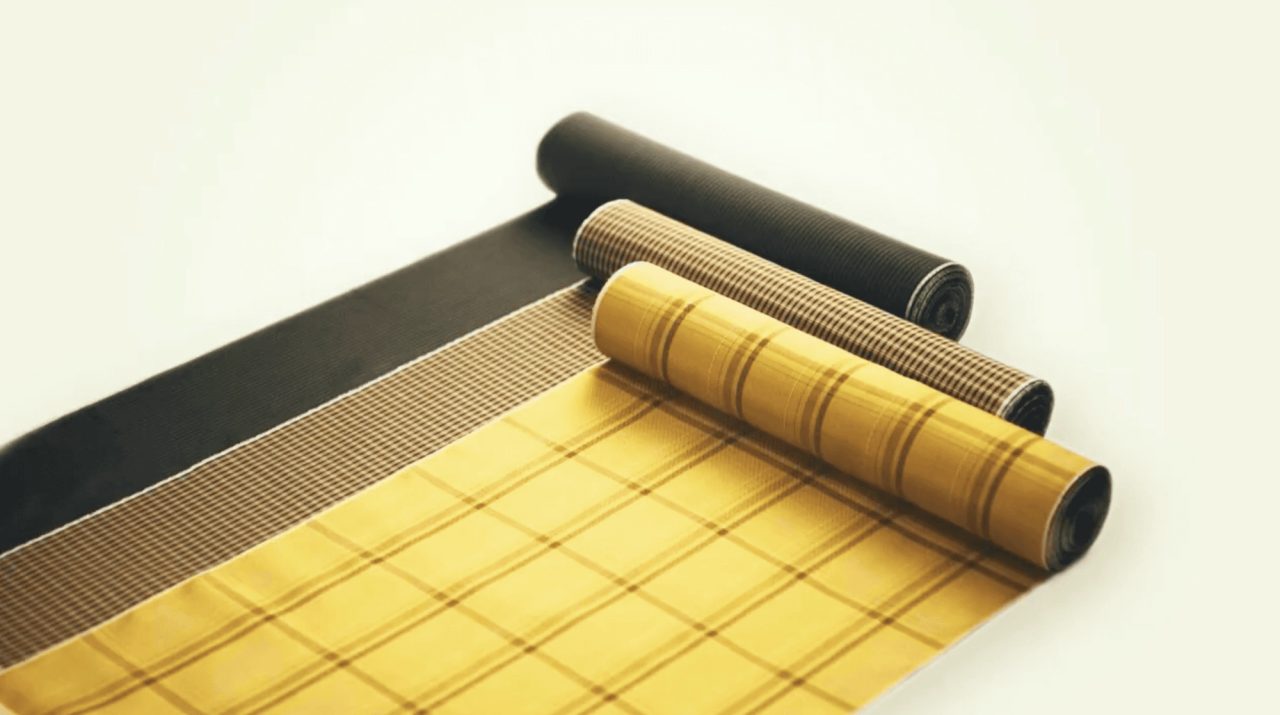
Around the 15th century, a unique textile was presented as tribute to the imperial court, originating from the island of Hachijo (八丈) 300 kilometers south of Tokyo. The name Hachijo means 8 jyo, or 24 meters, the standard textile length of the famed Honba Kihachijo (本場黄八丈) textile.
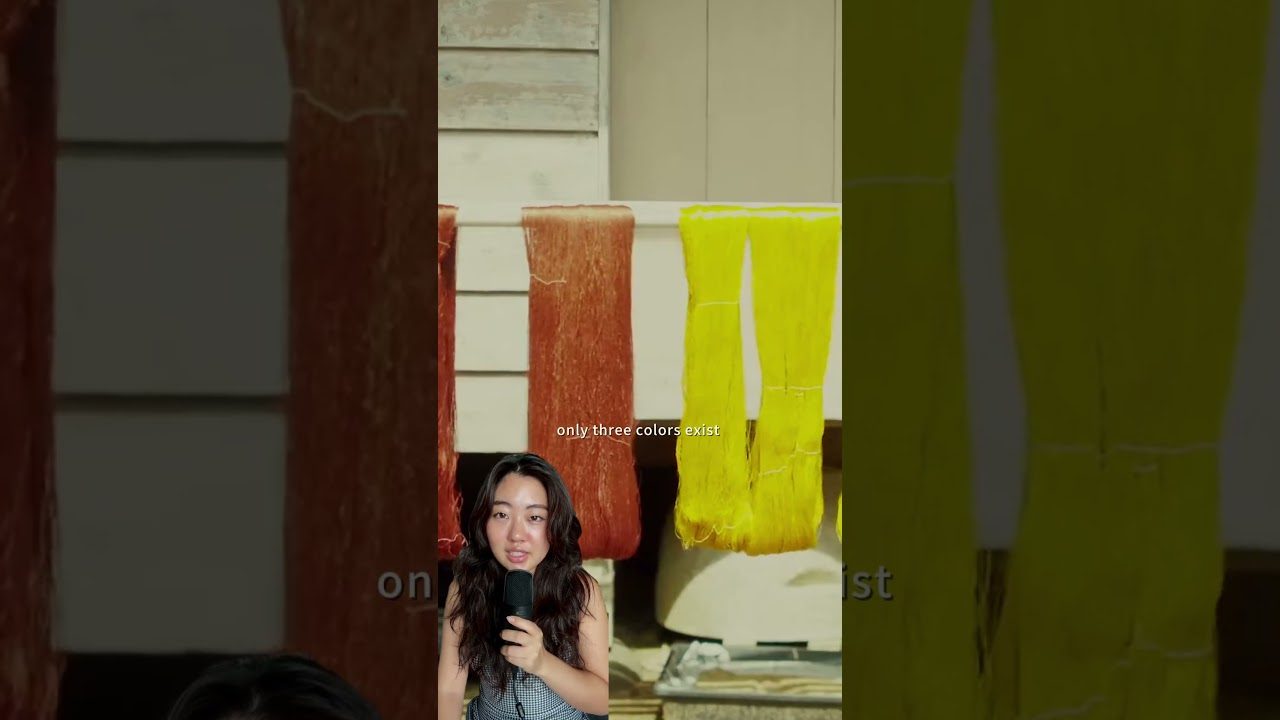
What makes this craft extraordinary is its complete dependence on theit cannot exist away from the island. Every material comes from what grows there. Only three colors exist: yellow from Kobuna (コブナ) grass, brown from Madami (マダミ) tree bark, and black from Shii (椎) bark and mud, which are all harvested by hand by the craftsmen themselves.
Each color requires 15-40 cycles of immersion and sun-drying over several months. The most tedious process is for the black dye, where on top of dye soaking, a iron-rich mud treatment in a specific natural marshland is required to give that rich deep black. When dried, the island's intense sun creates chemical reactions that give the silk its legendary luster.
Today only 100 rolls are produced annually by three certified craftspeople. Now, this textile is so revered both for rarity and beauty that kimono connoisseurs call it "the final destination."
Craft Chronicles reaches people who care about how things are actually made.
Sources
- www.youtube.com/watch?v=IHNIWbOTu2s
- www.youtube.com/watch?v=9g20FFWbsOI
- www.youtube.com/watch?v=8NpPILpAa9M
- www.youtube.com/shorts/FI8PkA7fuBY
- www.youtube.com/watch?v=SMURKblv6xs
- www.youtube.com/watch?v=HDW2aa-tizc
- www.dento-tokyo.metro.tokyo.lg.jp/items/03.html
- kogeijapan.com/locale/ja_JP/honbakihachijo/
- kougeihin.jp/craft/0109/
- kaeru-kogei.com/details_honbakihachijo/
- ichika-wasou.jp/blogs/kimono-usefull/本場黄八丈とは-山地や特徴-着物好きが最後にたどりつくその魅力とは
- kihachijo.jp/column-list/
- nuitori.com/kihachijyou-2568
- iroai.jp/kihachijo/