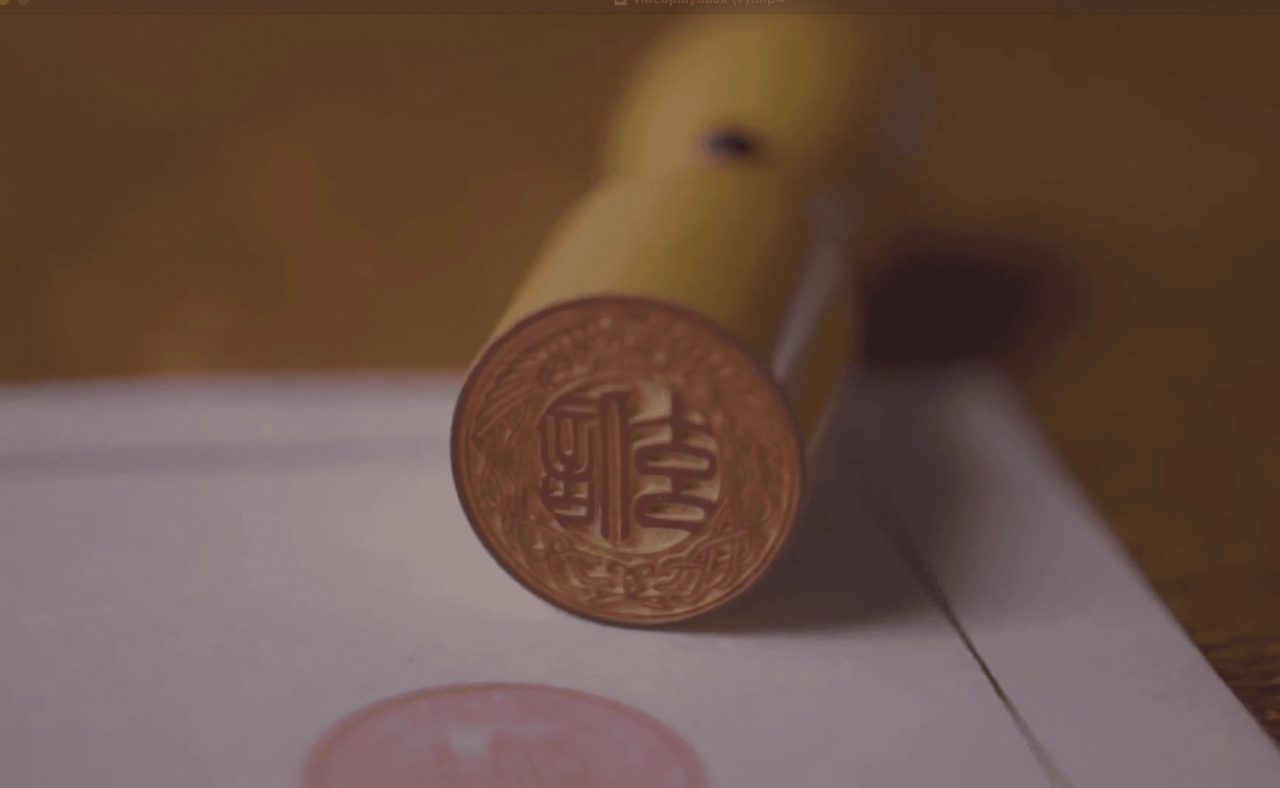
EP.73 · Koshu Tebori Insho · Yamanashi
Your Identity, Hand-Carved
When a government decision becomes a big business opporuu try nitu In 1837, crystal deposits were found in Yamanashi's Mount Ontake (御岳山), leading to Japan's first crystal processing factory.
When a government decision becomes a big business opporuu try nitu
In 1837, crystal deposits were found in Yamanashi's Mount Ontake (御岳山), leading to Japan's first crystal processing factory. Things quickly evolved in 1873, when the Meiji government required all citizens to have personal seals. This was the perfect opportunity for these craftsmen with unparalleled carving skills and became the center of seal making.
Today, Koshu Tebori Insho (甲州手彫印章) is Japan's only nationally designated seal craft, using boxwood for warmth, water buffalo horn for strength, or crystal for purity.
The process begins with selecting a design from thousands of styles. Then, craftsmen use their brush to carefully write characters backwards with perfect balance. Craftsmen spend years mastering this, as even the smallest mistake ruins the seal.
Carving is then done precisely with specialized blades or hammer and chisel depending on the material.
What sets these seals apart is not just skill but philosophy: each must be unique, like a fingerprint, serving as a person’s spiritual alter ego and proof of identity in Japanese society, where seals remain legally required. This tradition makes the craft irreplaceable even in our digital age.
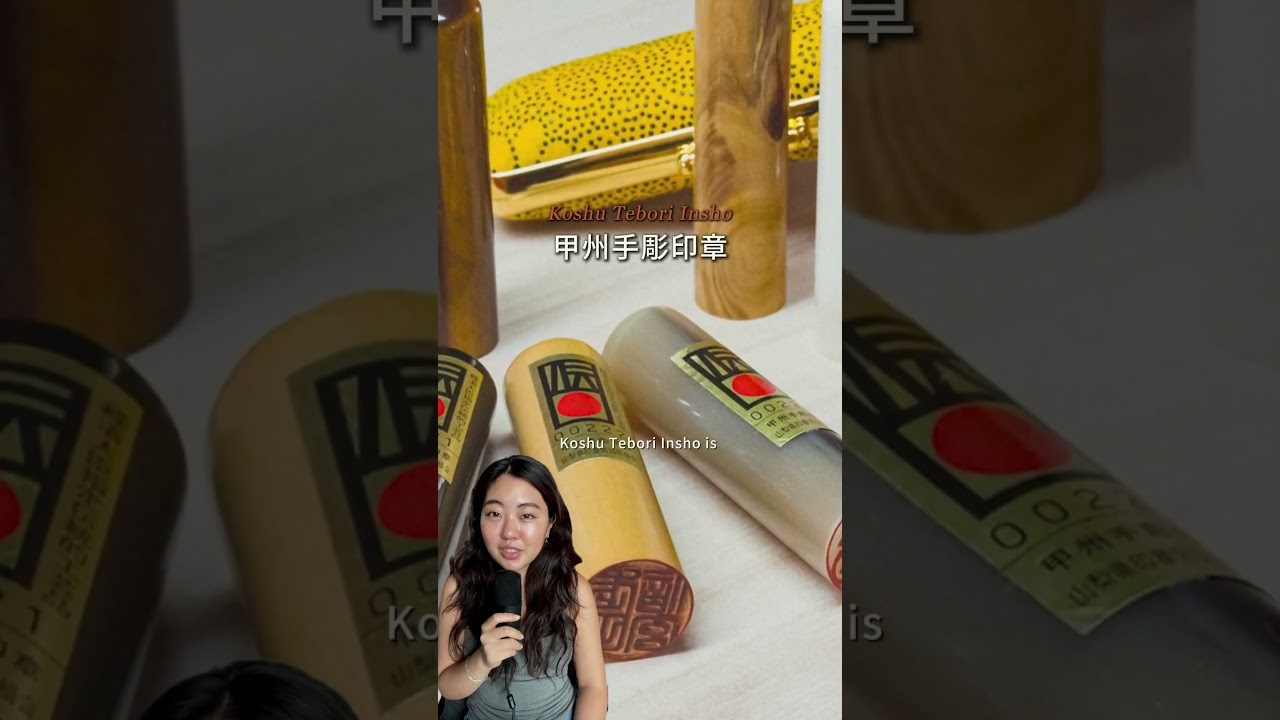
Craft Chronicles reaches people who care about how things are actually made.
Sources
- www.youtube.com/watch?v=yJnbplKJllU
- www.youtube.com/watch?v=0B_VzP8HrhQ
- www.youtube.com/watch?v=ReUiH-7GTlI
- www2.nhk.or.jp/archives/movies/?id=D0004500263_00000
- www.pref.yamanashi.jp/shouko/kogyo/densan/insyo_01.html#tmp_anchor1
- baton-ttnp.com/about/
- koga-m.com/koshu.html
- kogeijapan.com/locale/ja_JP/koshuteboriinsho/
- www.pref.yamanashi.jp/shouko/kogyo/densan/insyo_shokunin_02.html