EP.40 · Kagawa Lacquerware · Kagawa
The Most Diverse and Colorful Lacquer in Japan
During the late Edo period, the revolutionary artist Tamakaji Zokoku studied lacquerware techniques from China and Southeast Asia.
During the late Edo period, the revolutionary artist Tamakaji Zokoku studied lacquerware techniques from China and Southeast Asia. He then reimagined these techniques at Kagawa prefecture, resulting into a vibrant lacquerware culture with five distinctive techniques.
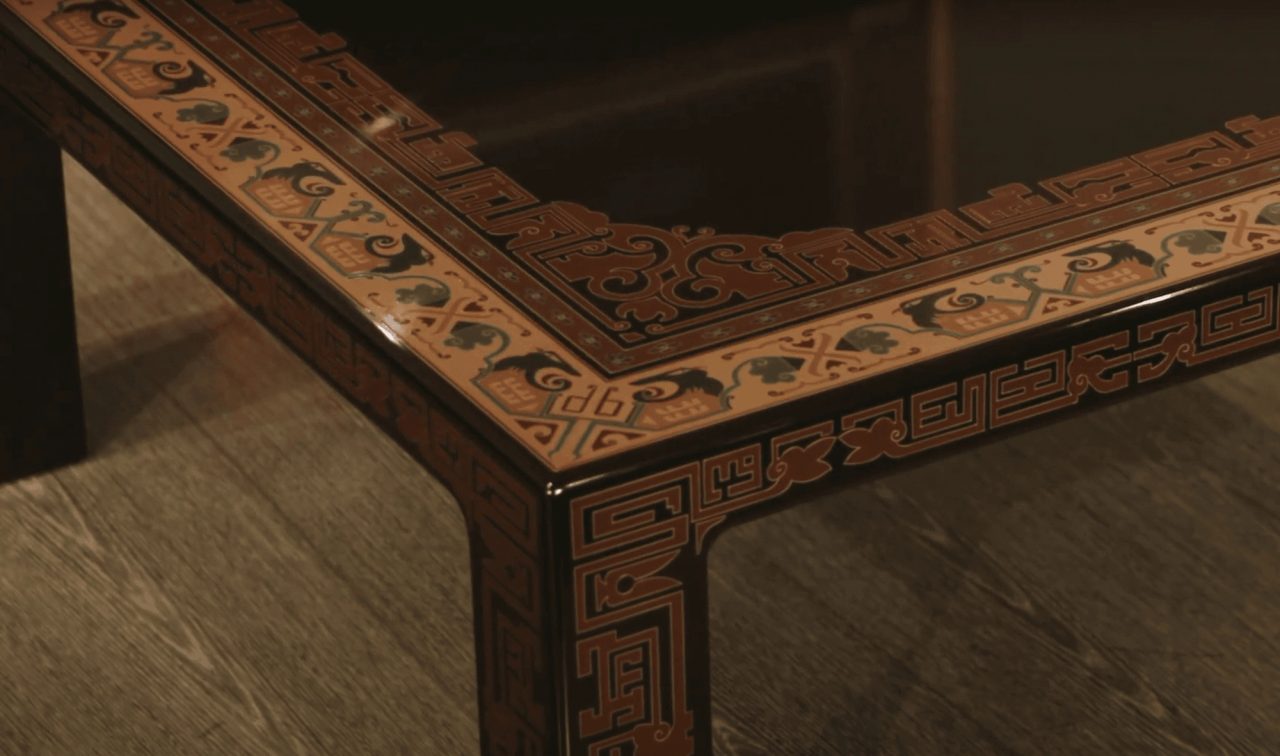
First, Kinma (蒟醤). Inspired by Thai and Burmese containers, this technique involves carving patterns into lacquer, then filling each groove with colored lacquer.
Second, Zonsei (存清). After painting motifs with colored lacquer, artisans carve delicate lines to highlight the shapes and embed gold powder into the cuts.
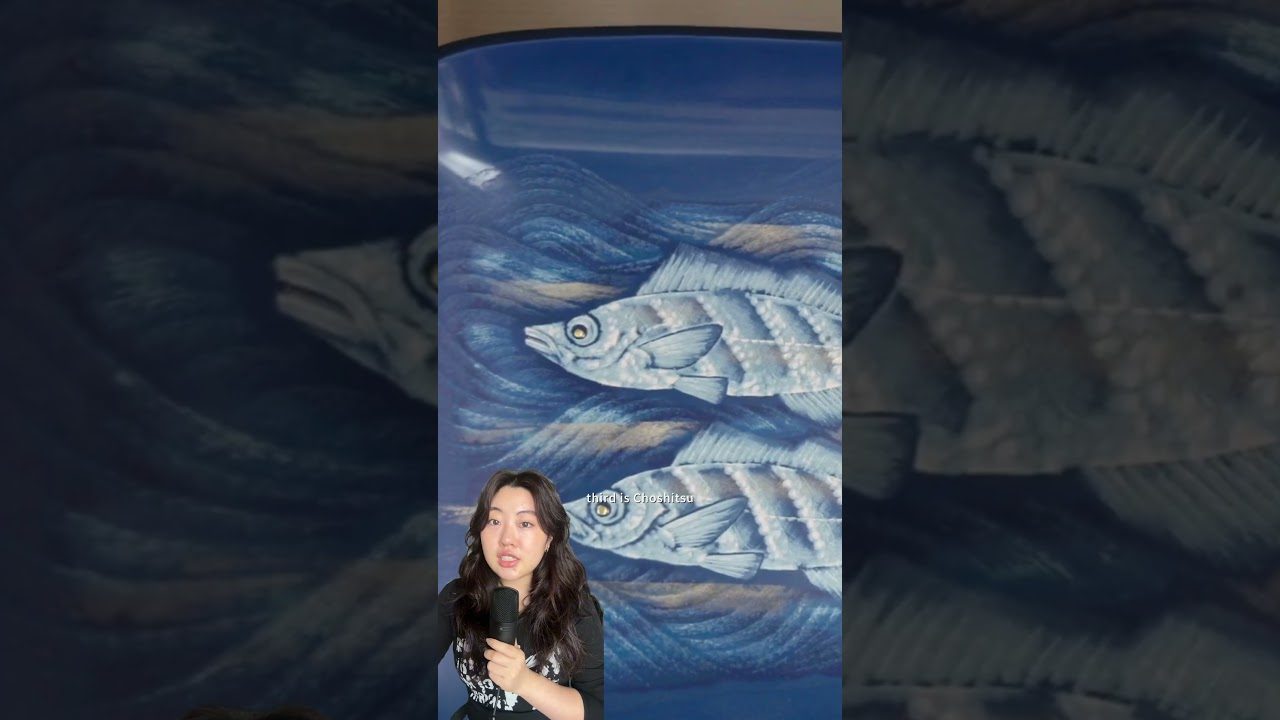
Third, Choshitsu (彫漆). Artisans apply up to 100 layers of differently colored lacquer, then carve through them to reveal rich, layered patterns. The deeper the cut, the more the colors shift, creating dramatic textures that tell their own story.
Fourth, Gotō-nuri (後藤塗), known for its warm, familiar vermilion tones with texture created by dabbing or stroking the surface with fingers.
Finally, Zokoku-nuri (象谷塗), named after Tamakaji himself. This rustic style uses wild makomo grass powder to create a sepia-toned, earthy finish.
All five techniques give Kagawa lacquerware its unmatched diversity, from intricately decorative to beautifully everyday.
Craft Chronicles reaches people who care about how things are actually made.
Sources
- www.youtube.com/watch?v=H7xRP0tLwjo
- www.youtube.com/watch?v=k1Gw37SvfuA
- www.youtube.com/watch?v=ogdqsue2J7c
- www.youtube.com/watch?v=Kc6b135USeA
- kogeijapan.com/locale/ja_JP/kagawashikki/
- kougeihin.jp/craft/0522/
- www.pref.kagawa.lg.jp/shitsugei/sitsugei/history/history.html
- www.pref.kagawa.lg.jp/shitsugei/sitsugei/history/urushi.html
- www.pref.kagawa.lg.jp/shitsugei/sitsugei/technique/kfvn.html
- ichiwadou.net/html/user_data/about01.php
- www.kagawashikki.org/kinma
- www.kagawashikki.org/zonsei
- www.kagawashikki.org/tyoushitsu
- www.kagawashikki.org/gotounuri
- www.kagawashikki.org/zoukokunuri