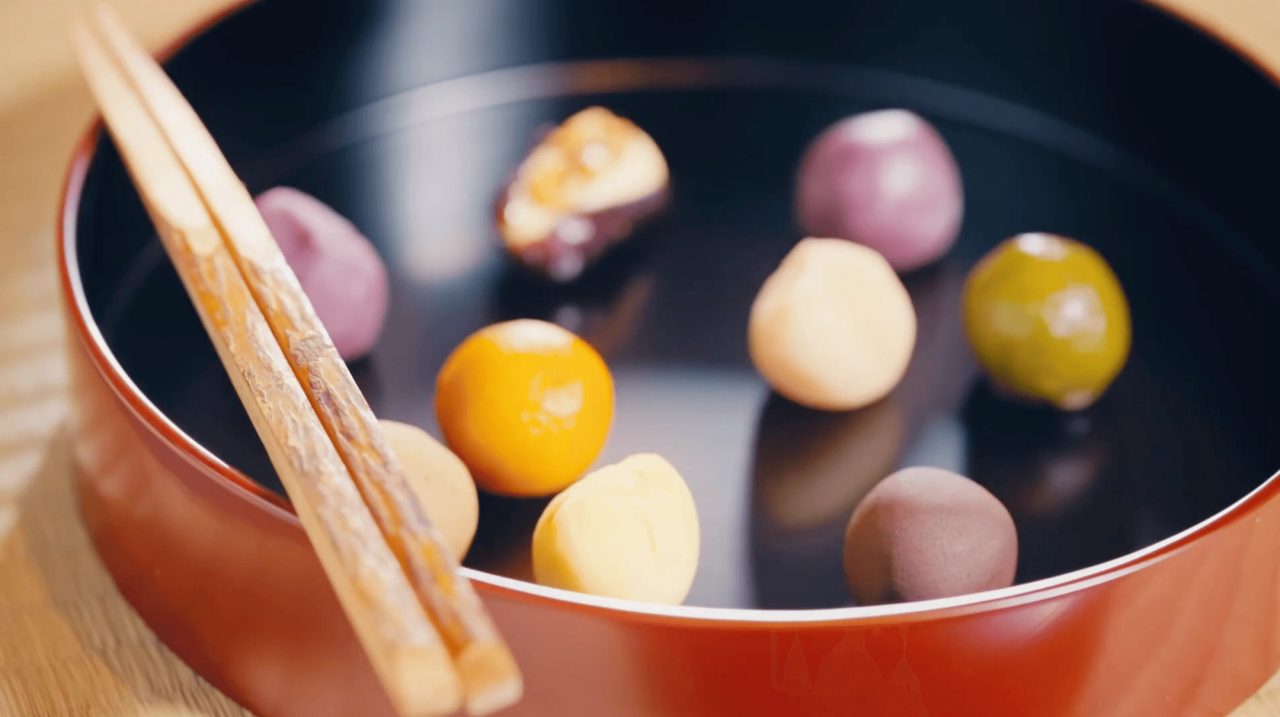
EP.52 · Kiso Shikki · Nagano
A Life Treasure Tempered by Clay
Over 400 years ago in the mountainous region of Kiso , artisans had access to Japan's finest timber: hinoki cypress, horse chestnut, and katsura .
Over 400 years ago in the mountainous region of Kiso , artisans had access to Japan's finest timber: hinoki cypress, horse chestnut, and katsura . The region’s cool summers and harsh winters were also ideal for lacquerwork, naturally leading to a flourishing craft. That growth accelerated during the Meiji period, when a game-changing local material was discovered: sabi-tsuchi , an iron-rich clay. When mixed into the base lacquer, it gave Kiso Shikki its signature strength and beauty.
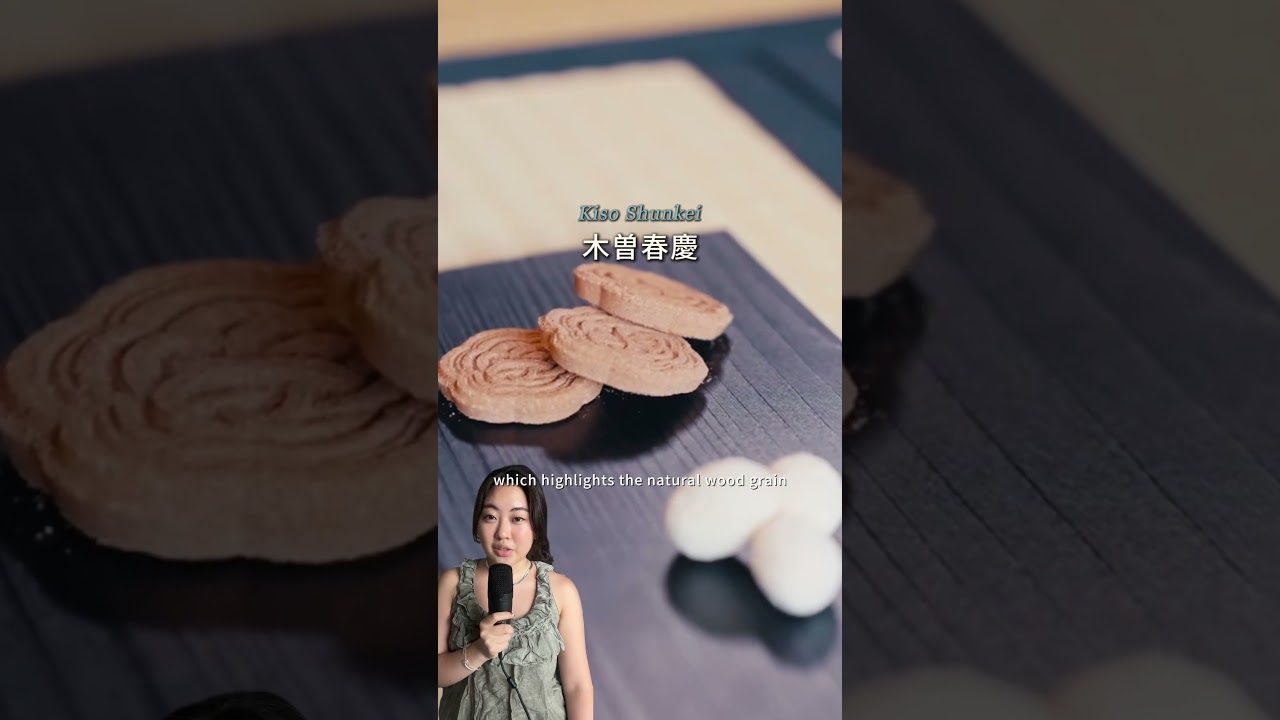
Unlike other lacquerwares in Japan made for aristocrats, Kiso Shikki was always crafted for daily use. Its three main techniques include the Kiso Shunkei , which highlights natural wood grain; Kiso Tsuishu , with marbled layers of colored lacquer; and Nuriwake Roiro-nuri , with bold color-blocked geometric motifs. In each, the sabi-tsuchi undercoat, combined with dozens of careful lacquer applications and hand-polishing, ensures exceptional durability and water resistance.
Because of these roots, Kiso Shikki isn’t limited to traditional bento boxes or trays. Today, it appears in tables, glassware, and even leather wallets. Even used in the Nagano Olympics medals, this craft is continued to be loved for its versatility, beauty, and resilience.
Craft Chronicles reaches people who care about how things are actually made.
Sources
- www.youtube.com/watch?v=awhKNu4NAuo
- www.youtube.com/watch?v=H6bLd82ZWCE
- www.youtube.com/watch?v=oAFMyuZaGtI
- kogeijapan.com/locale/ja_JP/kisoshikki/
- japanesecrafts.com/blogs/news/kisosikki
- www.city.shiojiri.lg.jp/soshiki/29/4199.html
- www.city.shiojiri.lg.jp/soshiki/29/9529.html
- waknot.com/crafts/709
- story.nakagawa-masashichi.jp/craft_post/118154