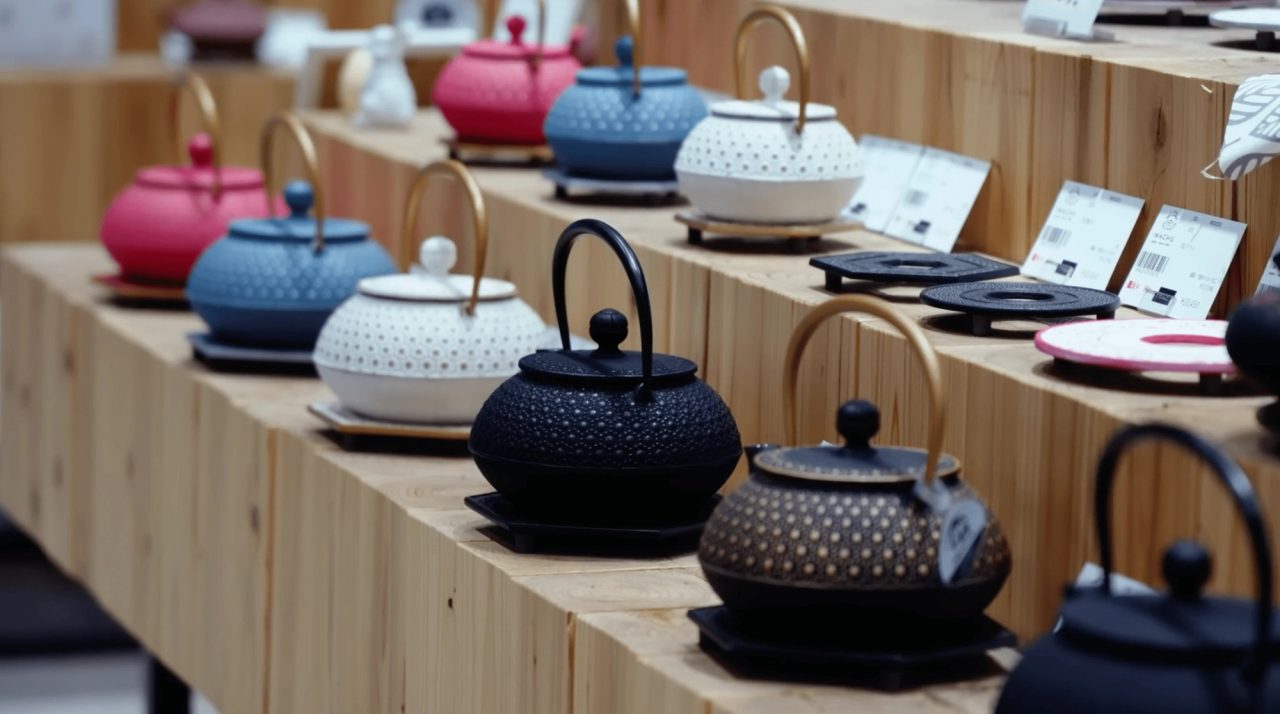
EP.51 · Nanbu Tekki · Iwate
Iron Pot with Health Benefits?
In 1659, the feudal lord of the Nanbu clan invited Koizumi Nizaemon from Kyoto to craft iron pots for tea ceremonies.
In 1659, the feudal lord of the Nanbu clan invited Koizumi Nizaemon from Kyoto to craft iron pots for tea ceremonies. These later evolved into smaller, handle-fitted Nanbu Tetsubin, now cherished globally for their craftsmanship.
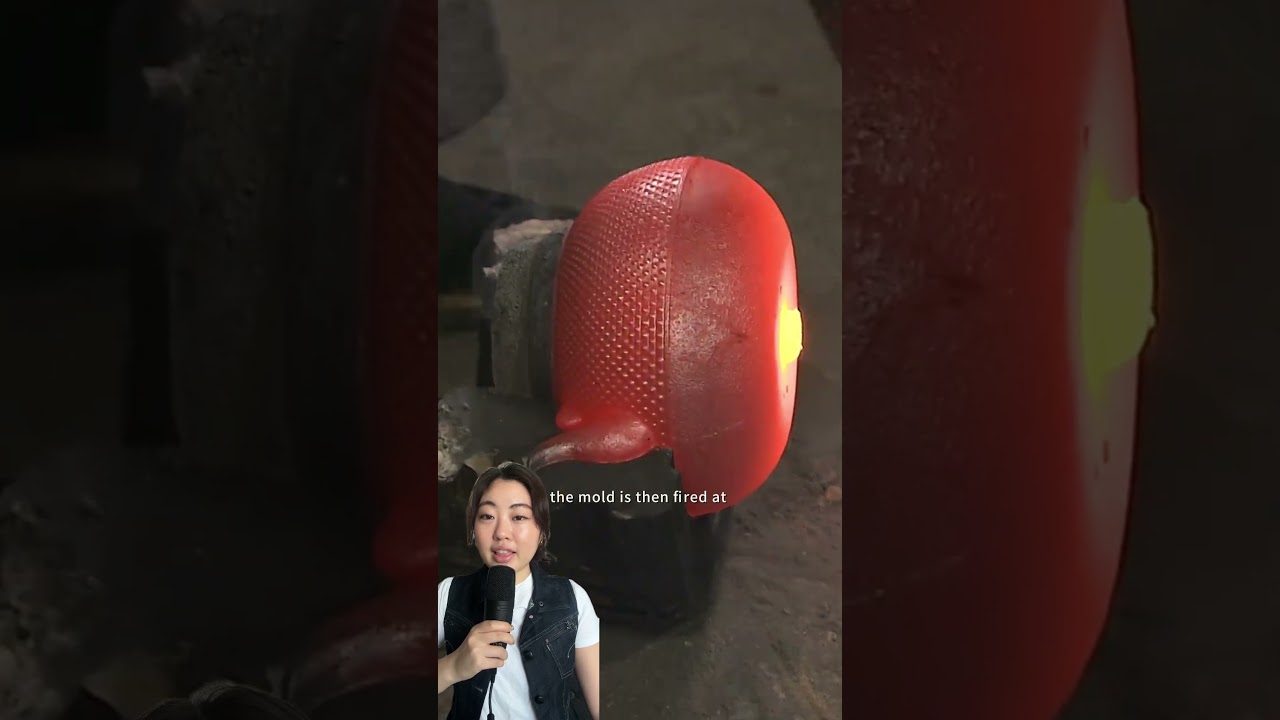
The body is cast using sand-clay molds. Before drying, artisans press in intricate patterns by hand, a delicate process requiring precision. The mold is then fired at up to 1,200°C, an essential step for capturing intricate and fine details.
After casting using iron, the surface is reheated to prevent rust, then finished with lacquer and “ohaguro,” a blend of iron filings, vinegar, and tea that gives the kettle its deep black finish.
The handle, or tsuru, is crafted separately by artisans called tsurushi. There are two types: solid muku-tsuru and the superior fukuro-tsuru which are hollow to reduce heat transfer. Each one is hammered into shape by hand to fit the kettle precisely.
Beyond their beauty, Nanbu Tekki kettles offer health benefits as well. Boiling water in them releases ferrous iron, which is easily absorbed by the body and makes the flavor smooth.
Craft Chronicles reaches people who care about how things are actually made.
Sources
- www.youtube.com/watch?v=7stgWxH5478
- www.youtube.com/watch?v=z03y_4a0jLY
- www.youtube.com/watch?v=_1-QGvp8JXk
- www.youtube.com/watch?v=FyuKsH44uTY
- kogeijapan.com/locale/ja_JP/nambutekki/
- japanesecrafts.com/blogs/news/howtoproducenanbutekki
- japanese-modern.co.jp/column/nambu_ironware
- kogei-japonica.com/crafts/nanbutekki-make/
- www.ginga.or.jp/nanbu/making.html
- www.ginga.or.jp/morihand/koubou/tsuruya/index.html
- www.mirokukai.ne.jp/channel/genre/tanikai/400/