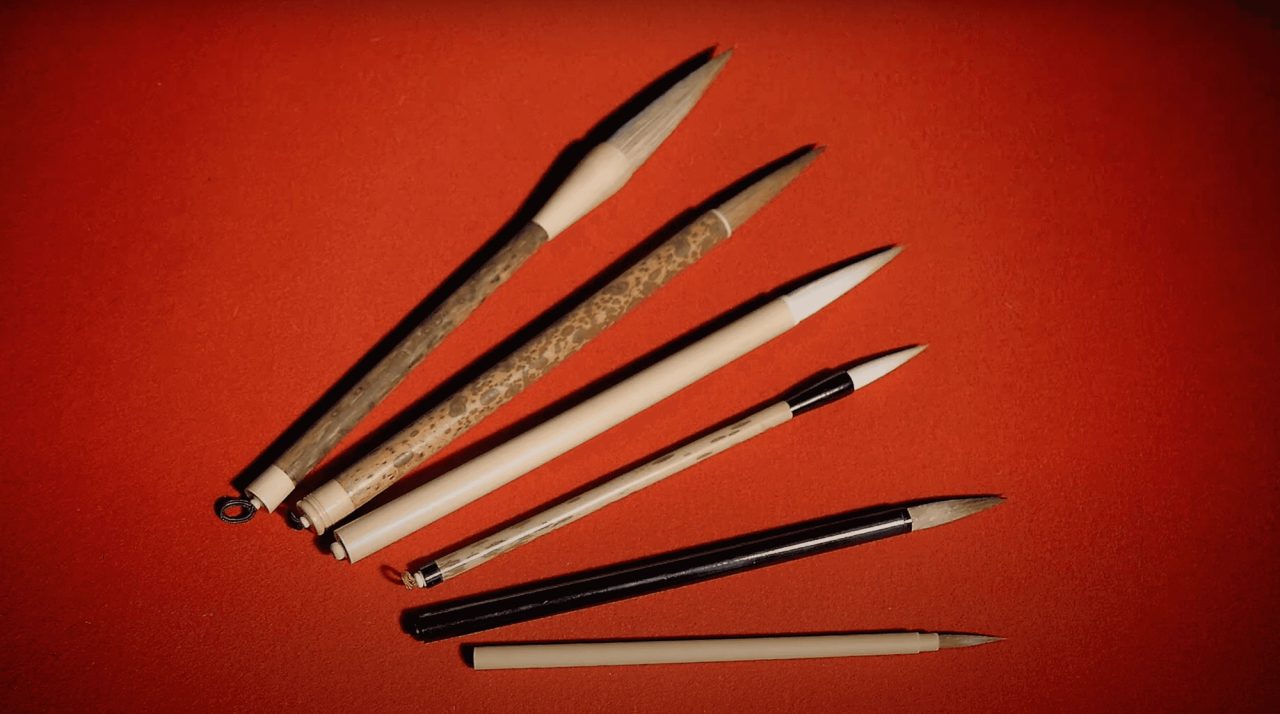
EP.37 · Kumano Brush · Hiroshima
Brush Queen Hailing from a Mountain Town
Back in the late Edo period, Kumano was a small village with limited farmland. To make ends meet, locals traveled during the off-season and brought back brushes and ink to sell in nearby towns.
Craft details
- Craft
- Kumano Brush熊野筆
- Material
- Animal materials
- Region
- Hiroshima
- Designation
- One of Japan's 244 nationally designated traditional crafts (METI)
Back in the late Edo period, Kumano was a small village with limited farmland. To make ends meet, locals traveled during the off-season and brought back brushes and ink to sell in nearby towns. This is when 13-year-old Sasaki Tameji traveled to Hyogo to learn brush making, transforming Kumano's side trade into a thriving craft.
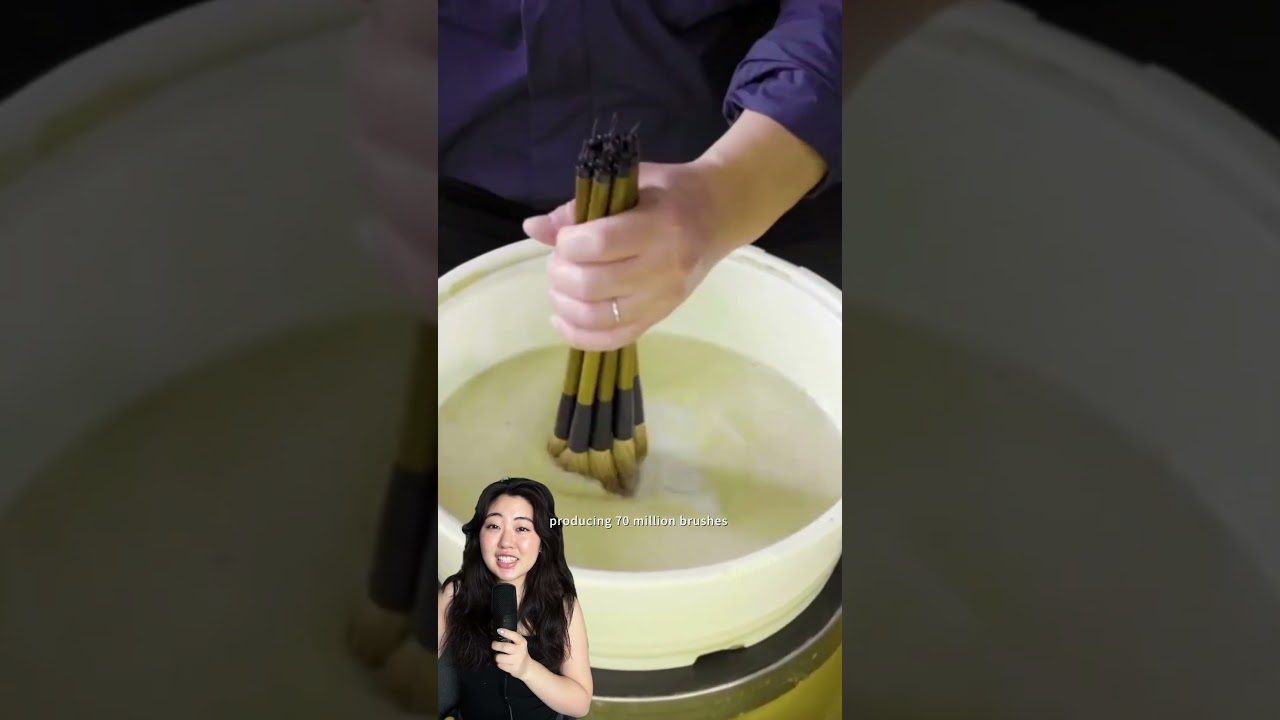
With the introduction of mandatory education during the Meiji era, brush demand surged. With no other major industries, Kumano became Japan’s brush-making capital, producing 70 million brushes a year by 1936. Post-WWII, as calligraphy demand declined, artisans pivoted to painting and makeup brushes.
Each brush undergoes over 70 steps by hand. Artisans sort strands of goat, horse, weasel, and squirrel hair to ensure only the finest hairs are left. The tips are always shaped without trimming ensuring maximum softness and precision. Machines can’t replicate this, as each strand varies in texture and response.
Today, over 80% of Japan’s brushes come from Kumano. Hollywood makeup artists, high-end brands, and leading cosmetic companies trust Kumano brushes for their exceptional softness and performance.
Craft Chronicles reaches people who care about how things are actually made.
Sources
- fude.or.jp/jp/video/fude_kumanofude_history.html
- www.youtube.com/watch?v=9qw1gx4lDqs
- www2.nhk.or.jp/learning/video/?das_id=D0024010218_00000
- www.youtube.com/watch?v=F4NVY1YWNfI
- www.youtube.com/watch?v=NNItx8FJ4TM
- www.youtube.com/watch?v=v5zY_TGcf5Q
- www.town.kumano.hiroshima.jp/www/contents/1173858342250/index.html
- www.town.kumano.hiroshima.jp/www/contents/1173927037890/index.html
- www.town.kumano.hiroshima.jp/www/contents/1173932772343/index.html
- fude.or.jp/jp/kumanofude/history/
- kumanofude-v-fudematsuri.com/kumap/history/
- www.pref.hiroshima.lg.jp/lab/topics/20211020/01/
- www.kumanofude.or.jp/traditional-craft/