EP.50 · Matcha · Shizuoka, Aichi, Kyoto, Kagoshima
A Silent Ceremony in Every Grain
In the early 13th century, Zen monk Eisai brought matcha from China to Japan, praising tea as a remedy for body and spirit.
Craft details
- Craft
- Matcha抹茶
- Material
- Food and drink
In the early 13th century, Zen monk Eisai brought matcha from China to Japan, praising tea as a remedy for body and spirit. The idea soon took root in Uji, Kyoto, which became Japan's tea capital by the Muromachi period.
Samurai and nobles cherished the deep, umami-rich flavor of this vibrant drink. Over time, it evolved into chanoyu, the Japanese tea ceremony, expressing simplicity and mindfulness.
Like other tea, matcha grows year-round, but for 3 to 4 weeks before harvest, plants are shaded to boost sweetness and reduce bitterness. Tender leaves are hand-picked, steamed to stop oxidation, and air-dried, producing aracha.
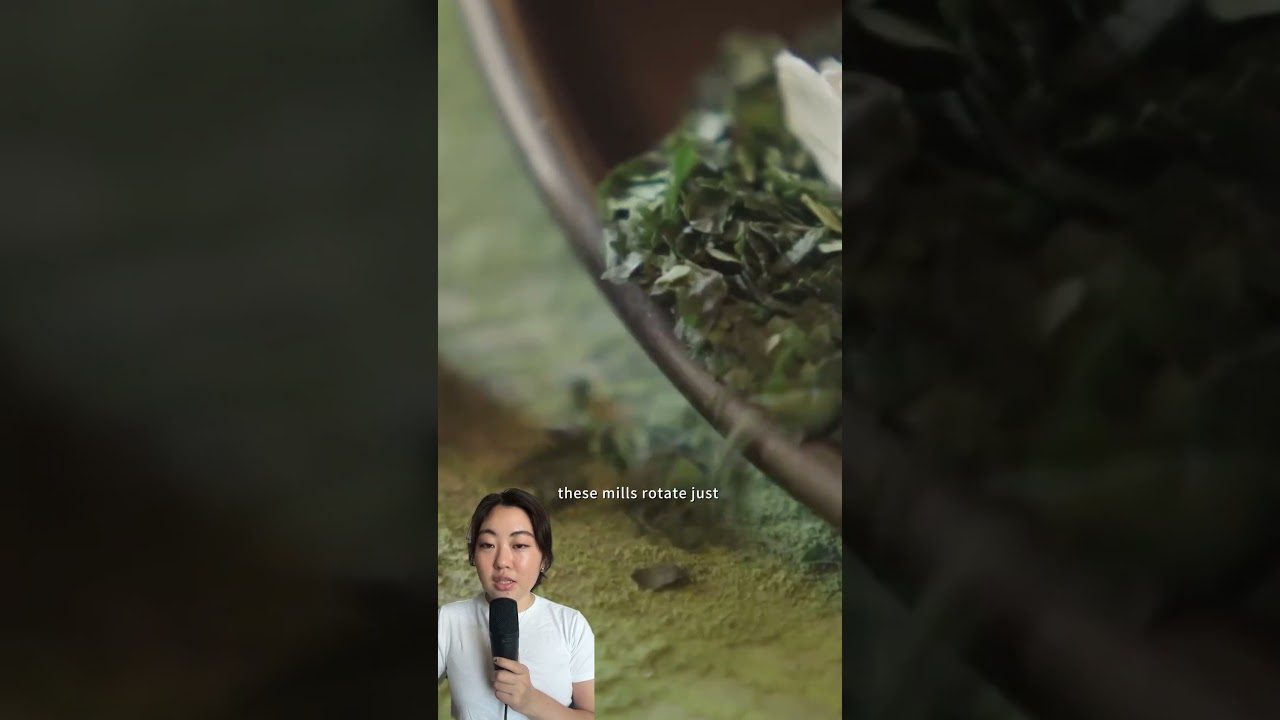
The leaves are then sorted to remove stems and veins, and slowly stone-ground. These mills rotate just once per second to prevent heat and preserve color and aroma.
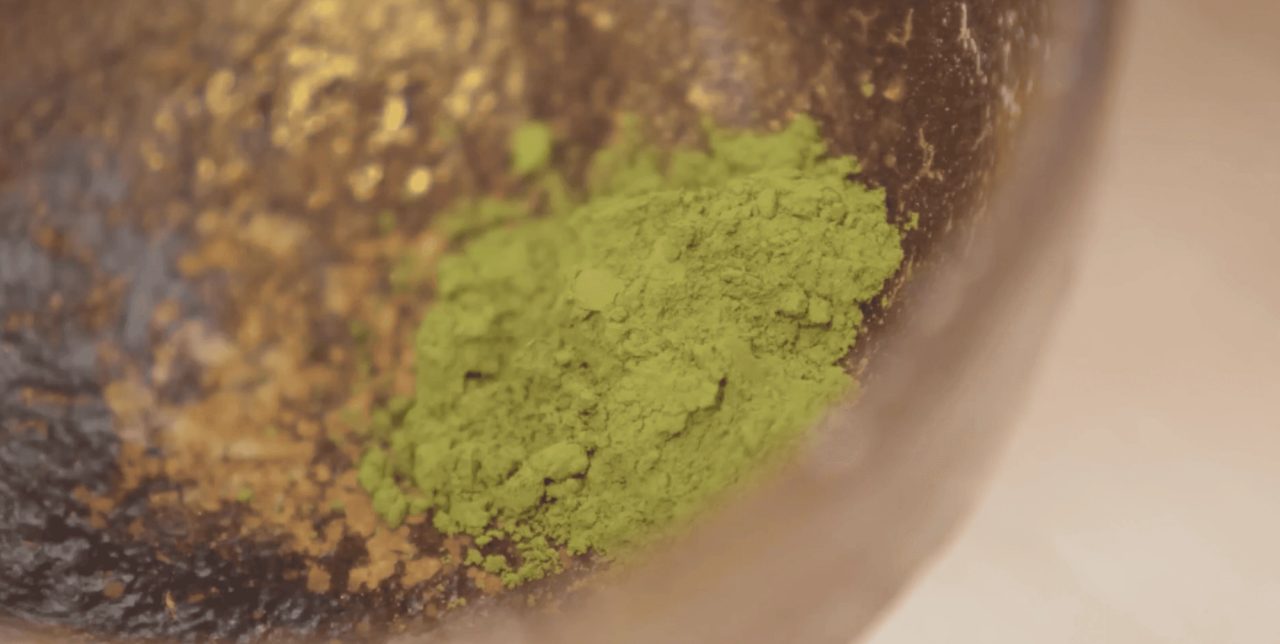
The result is a delicate powder, each grain only 5 to 10 microns, smooth, vivid, and rich in chlorophyll and theanine.
Matcha ranges from culinary-grade which retains more bitterness, to ceremonial-grade, full of umami and aroma. Today, it’s loved worldwide for its taste, calming energy, and antioxidants.
Craft Chronicles reaches people who care about how things are actually made.
Sources
- www.youtube.com/watch?v=KlFXl--H8eM
- www.youtube.com/watch?v=0MZ518_ofwg
- www.youtube.com/watch?v=mACOp-MT8OI
- www.youtube.com/watch?v=ieYwfwBeHyU&t=1214s
- www.youtube.com/watch?v=-wLhjoTFx0Y
- www.urasenke.or.jp/textb/shiru/beginer/dekiru.html
- www.yamamasa-koyamaen.co.jp/matcha/basic/about-matcha.html
- www.yamamasa-koyamaen.co.jp/matcha/basic/flow.html
- www.yamamasa-koyamaen.co.jp/matcha/basic/matcha-history.html
- thankyou-cha.com/tea-history/
- www.chayudo.co.jp/blog/3580/