EP.157 · Shikatsuno Zaiku · Nara
Shikatsuno Zaiku: Nara Antler Craft
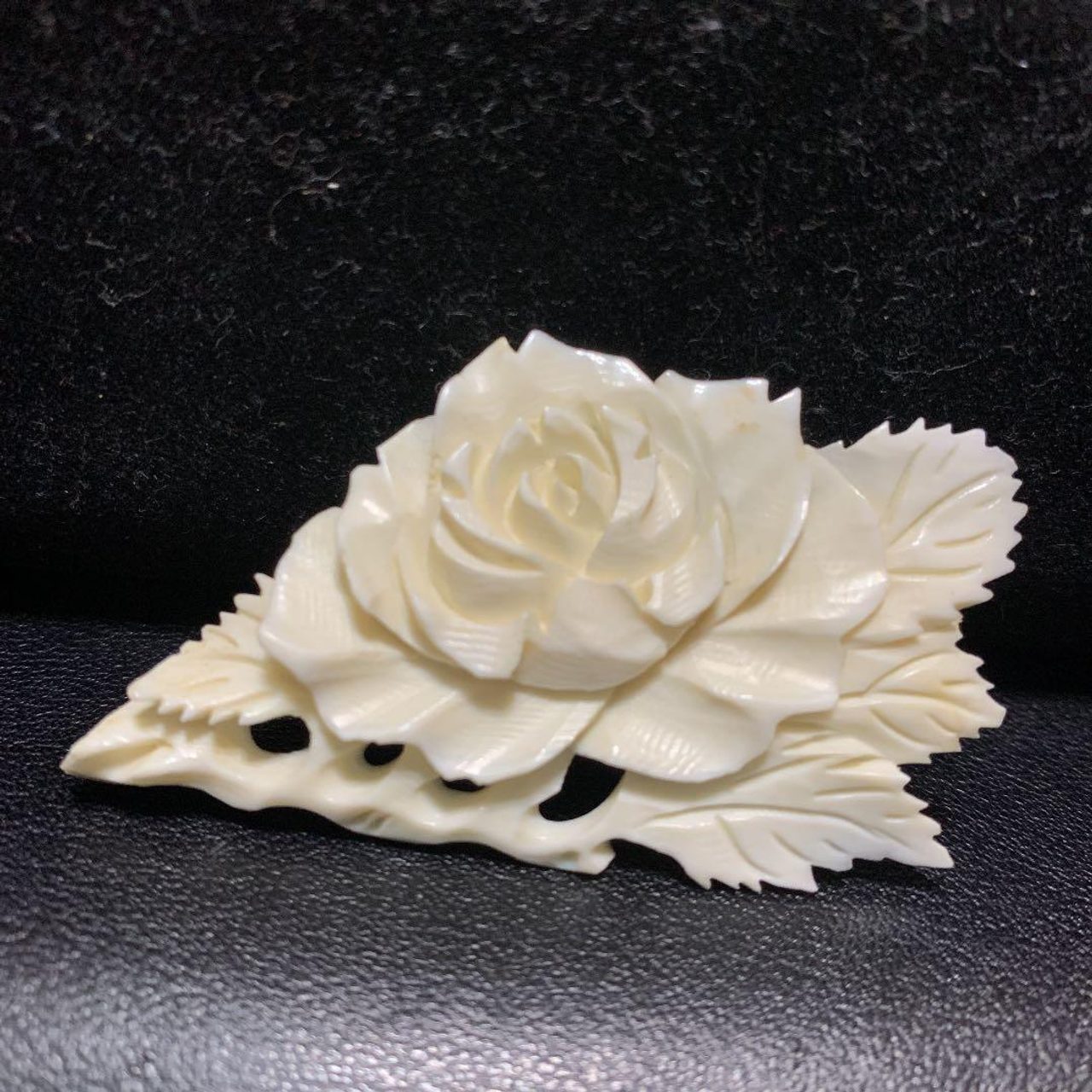
Shikatsuno zaiku is a traditional craft from Nara using deer antlers gathered annually during a sacred ceremony to ensure public safety and coexistence.
Craft details
- Craft
- Shikatsuno Zaiku鹿角細工
- Material
- Animal materials
- Region
- Nara
- Designation
- Nara Prefecture–Designated Traditional Craft
A Craft That Begins Before the Workshop
Shikatsuno zaiku (鹿角細工) begins long before a craftsperson picks up a saw. Its material is created through the annual growth cycle of Nara’s (奈良) male deer, gathered through a centuries-old ceremony, and shaped by the city’s unusual relationship with animals regarded as both wild and sacred.
The techniques used to cut, file and polish antler are relatively straightforward. What distinguishes the craft is the material itself: where it comes from, why it is removed, and how Nara transformed something once considered a danger in its streets into a lasting record of coexistence.
A Material That Returns Each Year
Only male deer grow antlers. Each spring, a new pair begins to emerge beneath soft skin known as velvet, which carries the blood vessels needed for growth. By around August, the skin and blood vessels disappear, leaving fully hardened antlers that can reach approximately 60 centimetres in length.
This coincides with the approach of the autumn rut. Male deer become more aggressive, using their antlers against one another and presenting a danger to people sharing the surrounding streets and parkland. In the late 17th century, Nara began cutting the hardened antlers to prevent injuries.
The event created a distinctive way of gathering material. The deer were not raised for their antlers or killed to obtain them. The hardened antlers were carefully removed, and the animals would eventually grow another pair. Pieces collected through this recurring cycle became the foundation of Nara’s shikatsuno zaiku.
Between Sacredness and Safety
Nara’s deer have long been regarded as shinka (神鹿), sacred deer associated with the deities of Kasuga Taisha (春日大社). That status protected them across generations and made their presence part of the city’s religious identity, public landscape and everyday life.
Yet reverence did not remove the practical difficulty of living beside large numbers of wild deer. The antler-cutting tradition emerged from the need to protect townspeople and the animals themselves during the rutting season.
That tension gives the material its cultural significance. During the ceremony, the removed antlers are presented before the deity. Only after passing through this relationship between animal, ritual and community can they become a material for making.
Shikatsuno zaiku therefore cannot be separated from Nara’s broader culture of coexistence. The craft does not simply borrow the image of the deer as decoration. It uses part of the animal itself, gathered through a practice intended to maintain the delicate relationship between the deer and the city around them.
How Antler Became a Local Craft
Antler had been used since earlier periods for hunting and fishing implements. As metal tools replaced it for those functions, craftspeople increasingly adapted it for smaller household and decorative objects.
Horn-working techniques developed considerably from the late Momoyama to early Edo periods. An illustrated Japanese encyclopedia published in 1690 included a record of horn work, showing that the material was already part of an established craft tradition around the time Nara’s antler-cutting custom took shape.
In Nara, the regular availability of cut antlers encouraged their transformation into local products. Craftspeople made spatulas used in Japanese sewing, chopsticks and obidome (帯留) sash ornaments, objects in which the material’s hardness and smooth polished surface had a practical purpose.
This history is important because the antler was not an incidental substitute for wood or ivory. It was a material supplied by the particular way Nara managed, protected and lived alongside its deer.
Carrying a Piece of Nara
As sewing and clothing habits changed, shikatsuno zaiku expanded beyond its earlier household uses. Contemporary examples include jewellery, small sculptures, confectionery picks, key rings and paper knives. Some preserve the antler’s branching silhouette, while others reduce it to a small polished surface whose colour and markings distinguish it from manufactured materials.
The surface can continue to develop a deeper lustre through handling. An object therefore carries both the natural variation produced by the deer and the traces left by its owner over time.
At Rokuen (鹿苑), the deer protection facility in Nara Park, visitors can also work with real antler through small craft experiences. The activity reconnects the finished object with the animal, the annual antler cycle and the conservation work that makes the material available.
For contemporary designers, cultural retailers and hospitality groups, shikatsuno zaiku offers more than a familiar deer motif. It provides a direct material connection to Nara’s living landscape, one shaped by seasonal growth, religious meaning, public safety and centuries of learning how people and wild animals can occupy the same city.
Craft Chronicles reaches people who care about how things are actually made.
Sources
- YouTube Video: Nara Antler Cutting Ceremony
- YouTube Video: Shikatsuno Zaiku Craftsmanship
- YouTube Video: Deer of Nara Park
- YouTube Video: Making Antler Accessories
- YouTube Video: Traditional Antler Craft Techniques
- YouTube Video: Nara's Cultural Crafts
- Nara Prefecture Official Website: Designated Traditional Crafts
- Nara City Report Document: Traditional Industries
- Nara City PDF Resource
- Nara Deer Preservation Foundation
- Nara City Tourism Association: Shikatsuno Zaiku Details
- Shiro no Tsukai