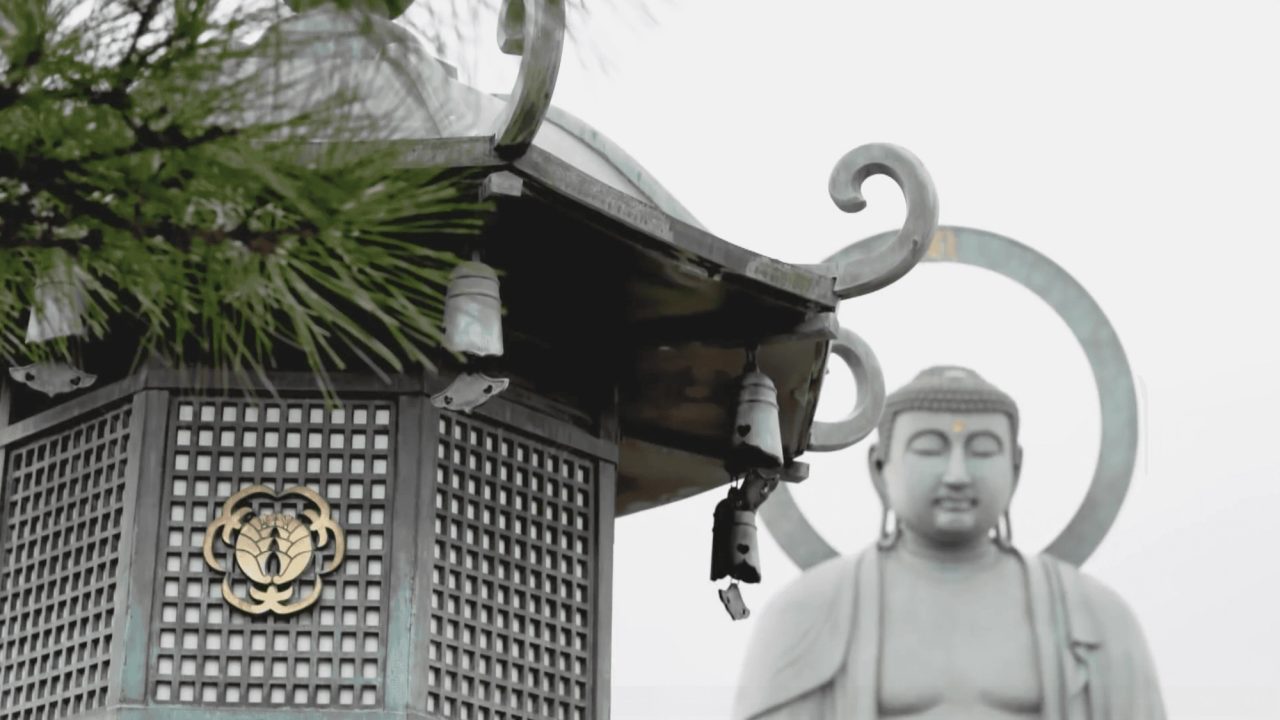
EP.81 · Takaoka Douki · Toyama
The City of Bronze
In 1611, Lord Maeda Toshinaga invited seven metal casters to settle in Takaoka, aiming to boost the new castle town’s economy.
In 1611, Lord Maeda Toshinaga invited seven metal casters to settle in Takaoka, aiming to boost the new castle town’s economy. This began a tradition of metalwork. At first they made iron tools, but by the 1800s shifted to bronze, producing temple bells, Buddhist statues, and fine vessels.
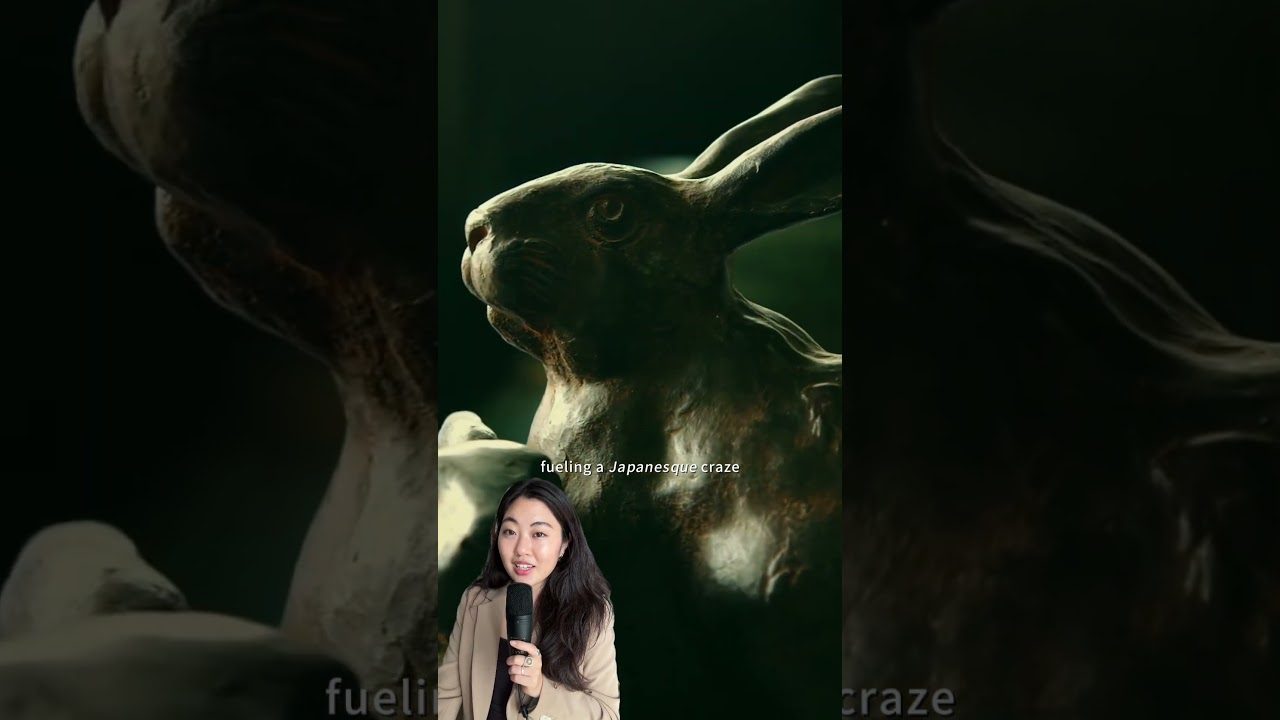
By the Meiji era, Takaoka Douki gained global attention at expos in Vienna and Paris, fueling a “Japanesque” craze. Today, it produces over 90% of Japan’s bronze and copperware.
Takaoka’s strength lies in its division of labor. Specialists in mold-making, casting, engraving, inlay, polishing, and coloring all exist within the same town, working together to ensure quality and scale. Four main casting methods, from precise wax casting to large-scale baked-mold casting, allow everything from small incense burners to giant Buddhas.
They also developed decorative techniques such as engraving, inlay, etching, and signature finishes like green seido and red nabechō, designed to age beautifully, celebrating “rust as art.”
Today, Takaoka Douki lives on everywhere: in New Year’s temple bells and statues of heroes across Japan.
Craft Chronicles reaches people who care about how things are actually made.
Sources
- www.youtube.com/watch?v=dsagouHXbis
- www.youtube.com/watch?v=tRBm1GnAS6w
- www.youtube.com/watch?v=IEBVgyZX9F4
- www.youtube.com/watch?v=1h38rbrzvYI
- www.youtube.com/watch?v=hgfyJ6VEemI
- kogeijapan.com/locale/ja_JP/takaokadoki/
- www.doukikumiai.com/skill/index.html
- kougeihin.jp/craft/0708/
- japan-novelty.jp/traditional/takaokadoki/
- story.nakagawa-masashichi.jp/craft_post/121061
- www.jrview-travel.com/content/sp/hokuriku/article/craft_2.html