EP.82 · Kuromoji Yoji · Chiba
The Fragrant Blade of Hospitality
Before becoming the elegant tool for wagashi in tea ceremonies, the yoji began in India as ha-gi, tooth-cleaning sticks tied to Buddhist cleansing practices.
Before becoming the elegant tool for wagashi in tea ceremonies, the yoji began in India as ha-gi, tooth-cleaning sticks tied to Buddhist cleansing practices. These spread through China and Korea before arriving in Japan, where they became both everyday toothpicks and ceremonial tools.
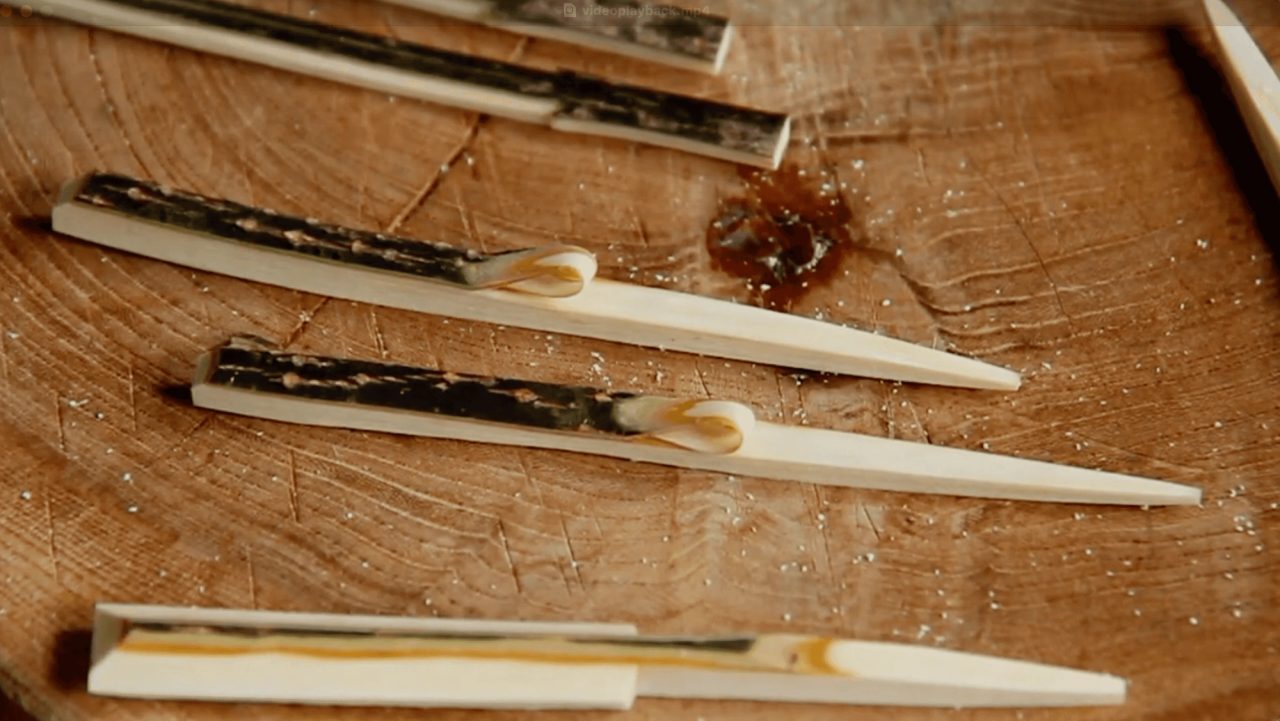
By the Edo period, warriors often crafted them as a side pursuit, shaving branches of the kuromoji tree by hand. The wood, from the camphor family, is valued for its strength, smooth cut, and refreshing citrus-like aroma, with natural oils that add antibacterial qualities.
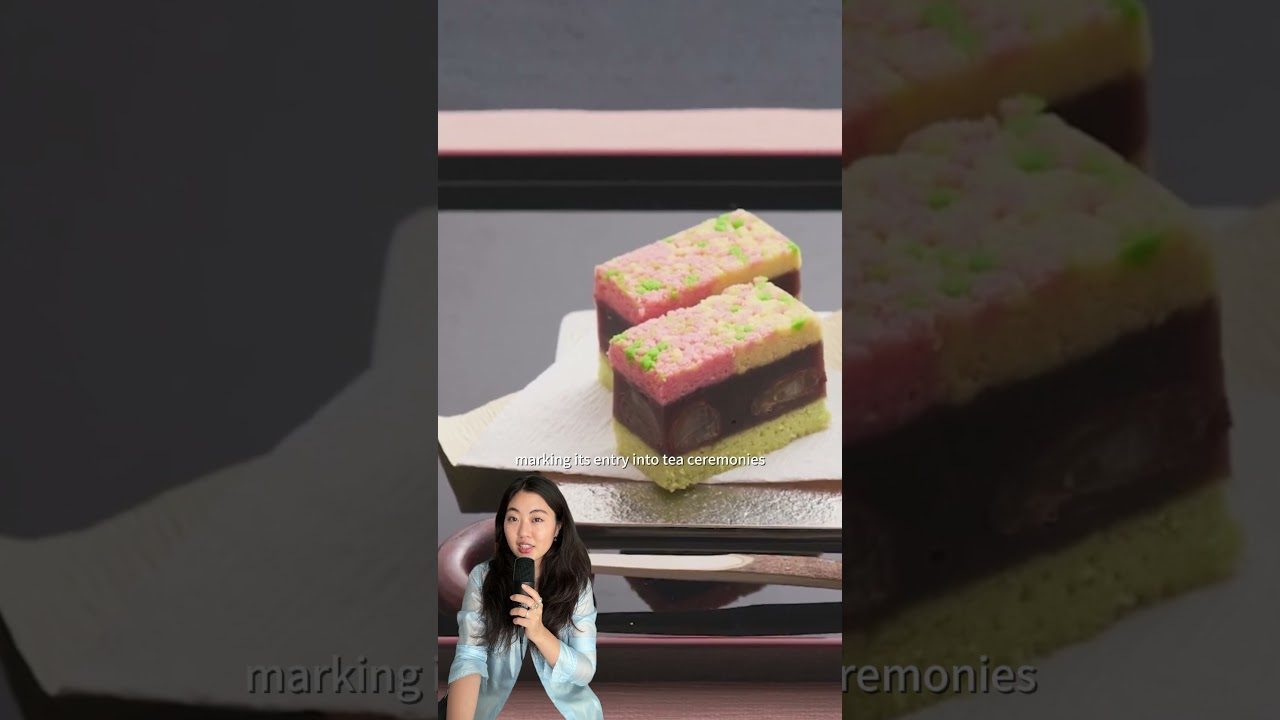
Legend says tea master Furuta Oribe snapped a branch from his garden hedge to fashion a yoji, marking its entry into tea ceremonies. From then, kuromoji became the material of choice for wagashi utensils, its fragrance enhancing the tea room atmosphere.
Today, kuromoji yoji are still hand-cut, shaped into fine triangular points while keeping part of the bark for aroma and beauty. Whether made in Chiba’s Ujō Yoji tradition or Edo’s long-standing shops like Nihonbashi’s Saruya, the process remains rooted in patience and skill.
Craft Chronicles reaches people who care about how things are actually made.
Sources
- www.youtube.com/watch?v=Pgulis7mS6E
- www.youtube.com/watch?v=8pmo2XRE6D8
- www.youtube.com/watch?v=JgBmh8fDzsE
- www.youtube.com/watch?v=L9alpuSNPV8
- www.youtube.com/watch?v=a5HFN7iRbeo
- www.wagashi-issho.com/column/01/01/
- aromato.co.jp/history/
- www.chuoku-machikadotenjikan.jp/feature/special07_tenjikan02.html
- trone.jp/staffblog/黒文字について/
- senshodohori.com/link-youji/youji.html
- www.nihonbashi-saruya.co.jp/quality/kodawari2/
- www.city.kimitsu.lg.jp/site/kanko/2170.html