EP.114 · Tokyo Kumihimo · Tokyo
Edo’s Hidden Language of Silk
During the 6th century, alongside the arrival of Buddhism, the technique of braided cords came to Japan.
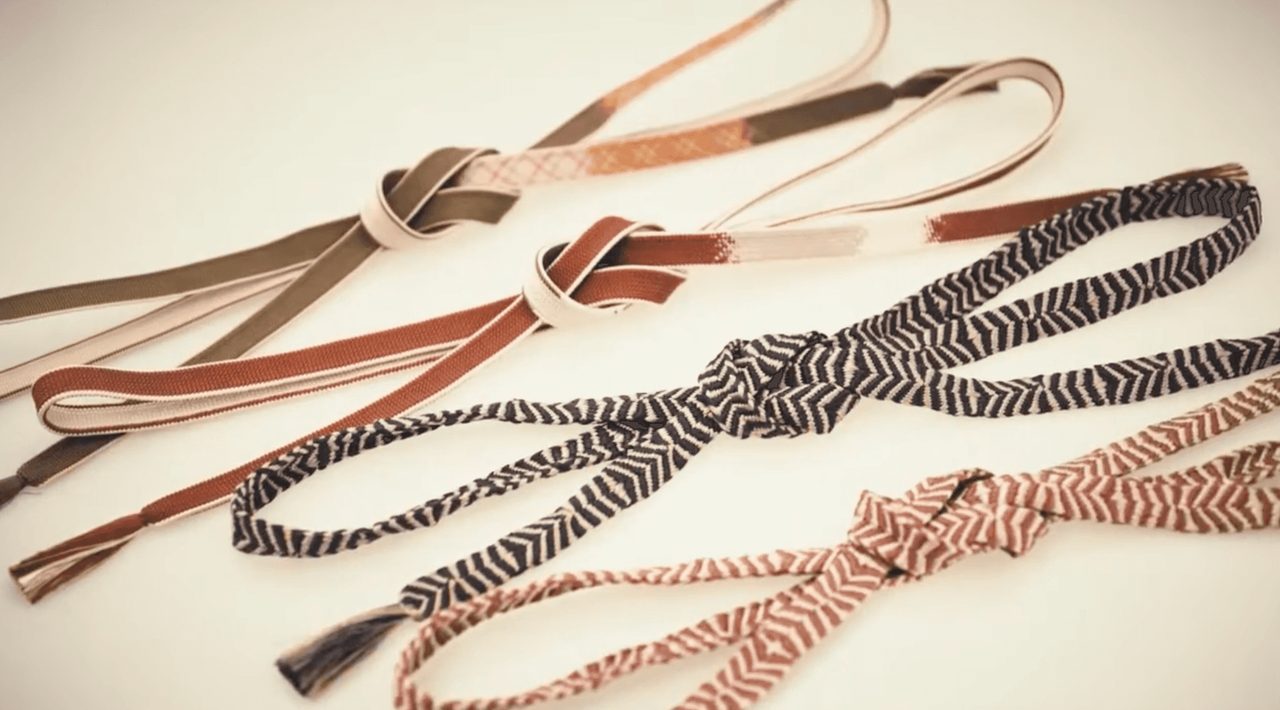
During the 6th century, alongside the arrival of Buddhism, the technique of braided cords came to Japan. These braids, known as Kumihimo, were first used for sutra scrolls and court dress. Over time, their strength made them essential for securing samurai armor and swords. After the Meiji sword ban reduced demand for armor cords, artisans shifted toward obijime (帯締め) for kimono, ensuring the craft’s survival.
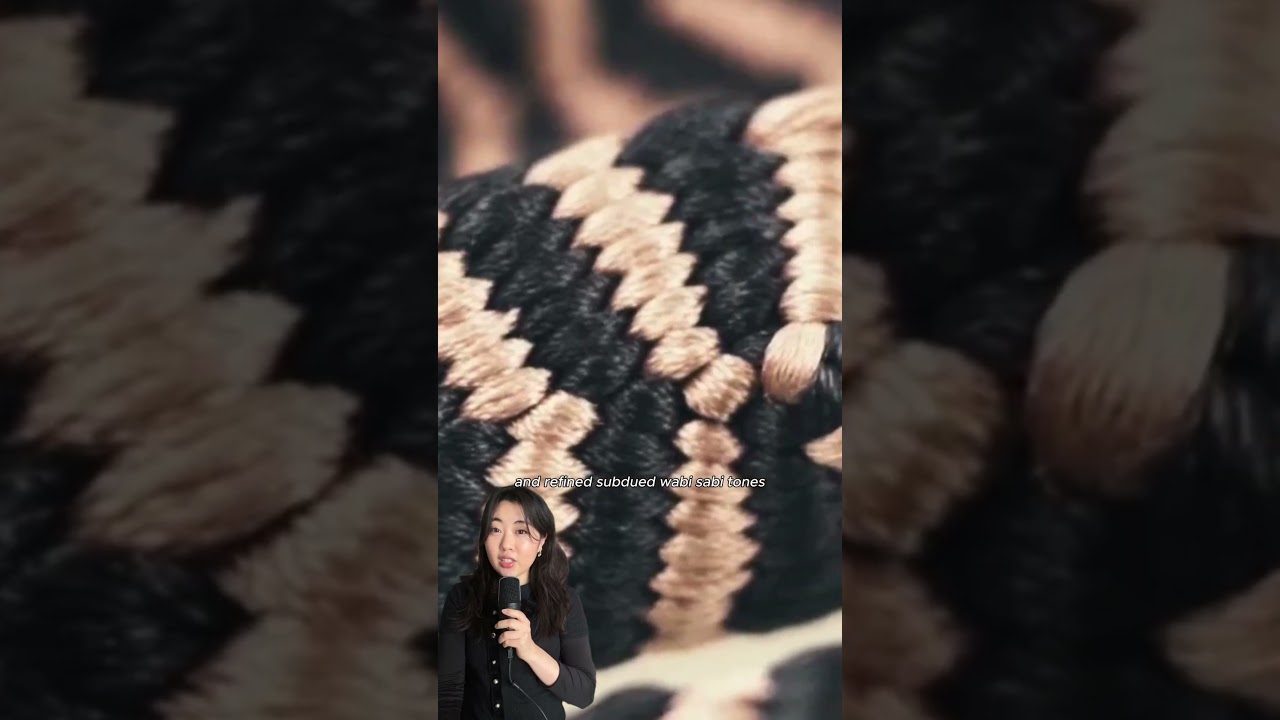
Tokyo Kumihimo is defined by clean braid structures and refined wabi-sabi tones, shaped by Edo’s preference for disciplined, subdued colors.
The craft begins with silk, dyed in solid, gradation, or step patterns while envisioning the final design. Then, the threads are aligned, twisted, cut, and wound onto equal-weight bobbins.
Using stands such as the marudai (丸台) or takadai (高台), artisans cross the weighted threads in a steady rhythm. Precision is critical: too tight and the cord becomes rigid, too loose and it weakens.
Today, Tokyo Kumihimo appears in obijime, haori (羽織) cords, ties, straps, and contemporary collaborations. Some workshops revive ancient temple braids, while others experiment with steel, leather, bamboo, and paper alongside silk.
Craft Chronicles reaches people who care about how things are actually made.
Sources
- www.youtube.com/watch?v=WEvRH9QNmDY
- www.youtube.com/watch?v=DHtieP5Aprs
- www.youtube.com/watch?v=HdgR6l3Lx5Y
- www.youtube.com/watch?v=W8wxIyU-13U
- www.youtube.com/watch?v=KsQmhDTkVfE
- www.youtube.com/watch?v=ocgNxFLfbnE
- www.dento-tokyo.metro.tokyo.lg.jp/items/08.html
- ryukobo.jp/kumihimo/
- craft.city.taito.lg.jp/craft/2056/
- kiryudo.co.jp/pages/江戸組紐とは
- www.dentoukougei.jp/tokyo/08.html
- edotokyokirari.jp/exhibition/life/edotokyorethink2022-ryukobo/
- kdomyo.com/pages/組紐と道明の歴史