EP.88 · Wajima-nuri · Ishikawa
The Eternal Strength and Elegance
Over 500 years ago in Wajima, Ishikawa, craftsmen discovered ji-no-ko (地の粉) , a fine local diatomaceous earth that, when mixed with lacquer, created an exceptionally strong base.
Over 500 years ago in Wajima, Ishikawa, craftsmen discovered ji-no-ko (地の粉) , a fine local diatomaceous earth that, when mixed with lacquer, created an exceptionally strong base. This discovery defined Wajima-nuri, making it both durable and beautiful.
Creating Wajima-nuri requires precision and patience. Each step is handled by a specialist, with a single bowl involving more than 124 processes. The kijishi (木地師) carves and prepares the wood, the shitajishi (下地師) reinforces it with cloth and ji-no-ko , and the uwanurishi (上塗師) applies and polishes the final lacquer to a deep, luminous finish.
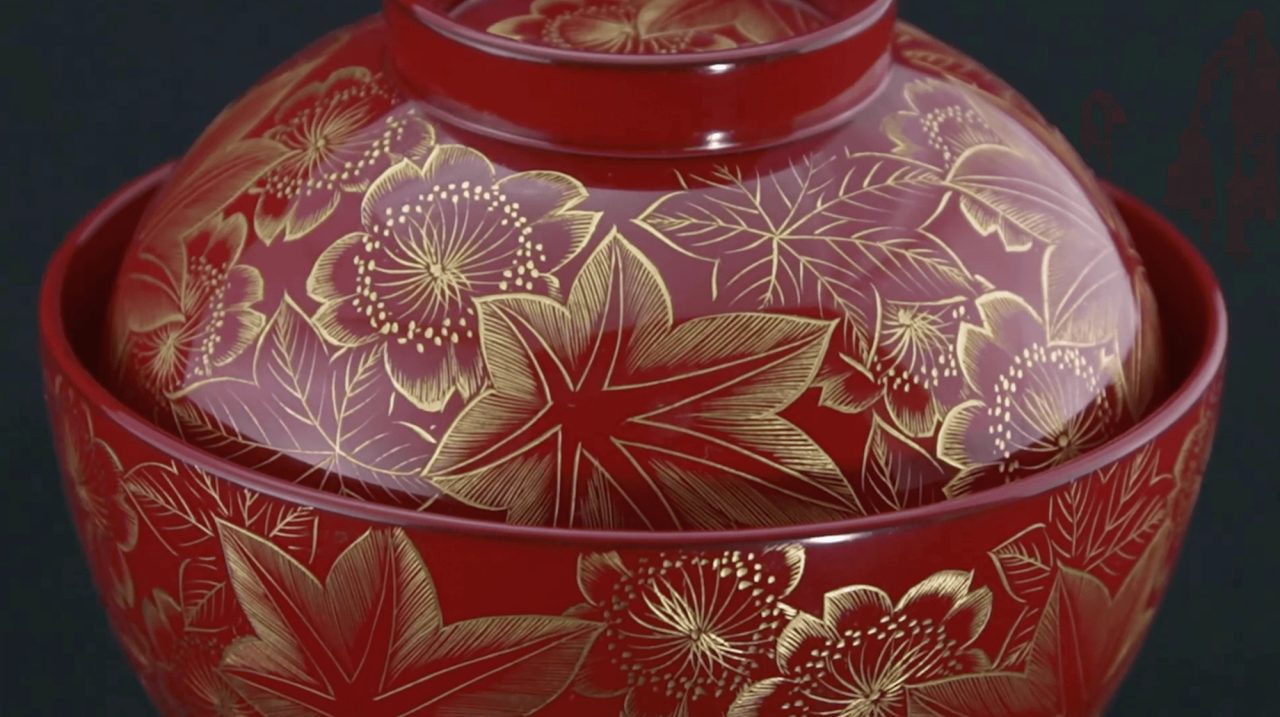
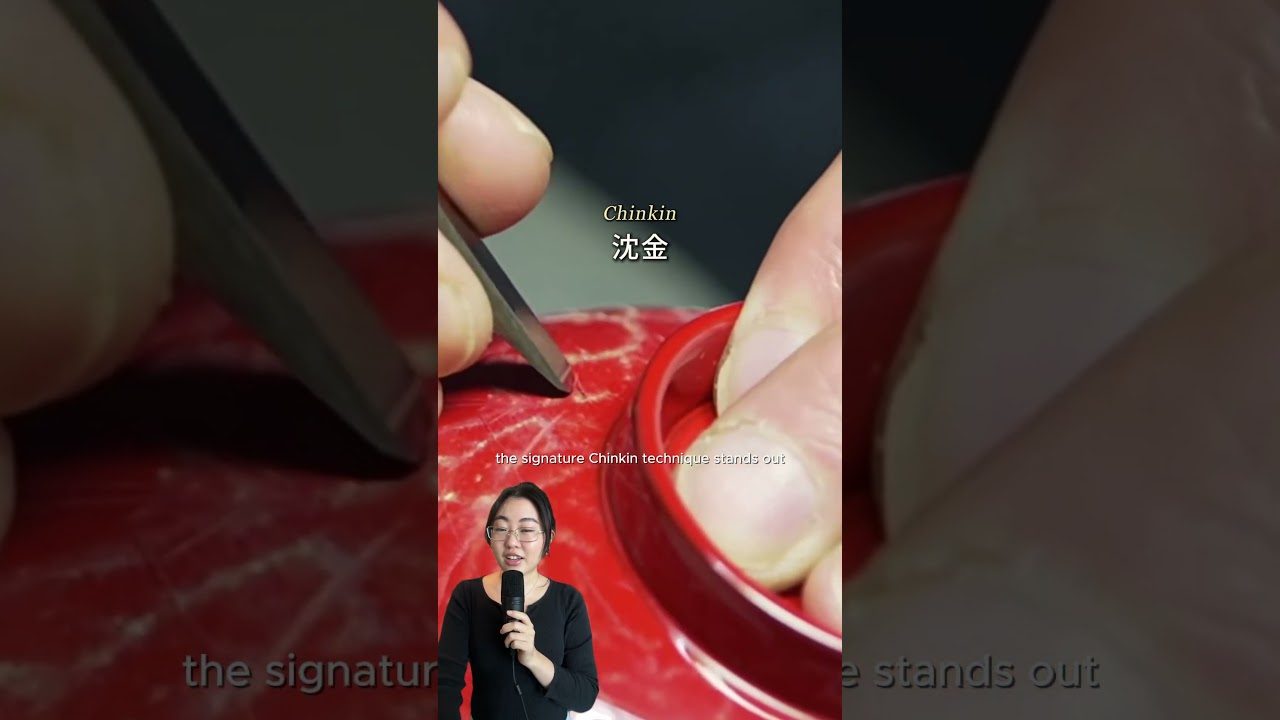
For decoration, the signature chinkin technique stands out. Fine lines are engraved into lacquer and filled with gold, creating patterns that gently reflect light. Artisans carefully adjust the depth of each carving to achieve the perfect shine. Combined with the mirror-like roi-iro polish, every piece radiates calm strength and elegance.
Made entirely from natural materials, each layer of lacquer is slowly cured for lasting resilience. Over time, the surface gains depth and luster, proving that Wajima-nuri isn’t just art. It’s a living vessel that grows more beautiful with use.
Craft Chronicles reaches people who care about how things are actually made.
Sources
- www.youtube.com/watch?v=n6ydsMwj-Es
- www.youtube.com/watch?v=rYpKjboVbew
- www.youtube.com/watch?v=JvoPATCT4jc
- www.youtube.com/watch?v=mgmui9UtguQ
- www.youtube.com/watch?v=nyz3Gpi6YNg
- www.youtube.com/watch?v=McZUssJ0apM
- kogeijapan.com/locale/ja_JP/wajimanuri/
- wajimanuri.or.jp/kumiai/file07/rekishi2.html
- www.wajimanuri.co.jp/
- story.nakagawa-masashichi.jp/craft_post/116834
- www.icnet.or.jp/dentou/national/03.html
- www.kagu-syuri.com/blog/5600/