EP.89 · Chichibu Meisen · Saitama
Silk That Shimmered in a Thousand Patterns
In the mountains of Saitama, the people of Chichibu turned to silk instead of rice for their livelihood.
In the mountains of Saitama, the people of Chichibu turned to silk instead of rice for their livelihood. From both perfect and imperfect cocoons, they created a simple, durable cloth that was versatile and loved by many.
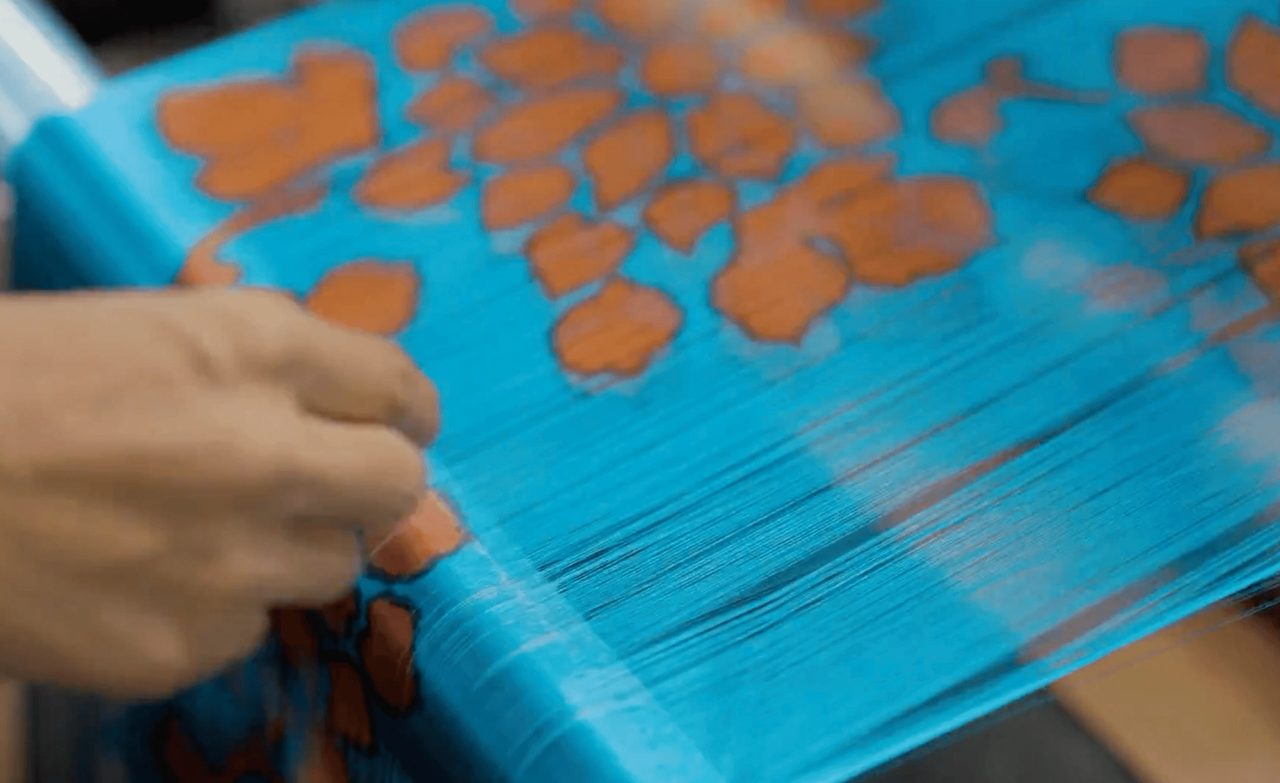
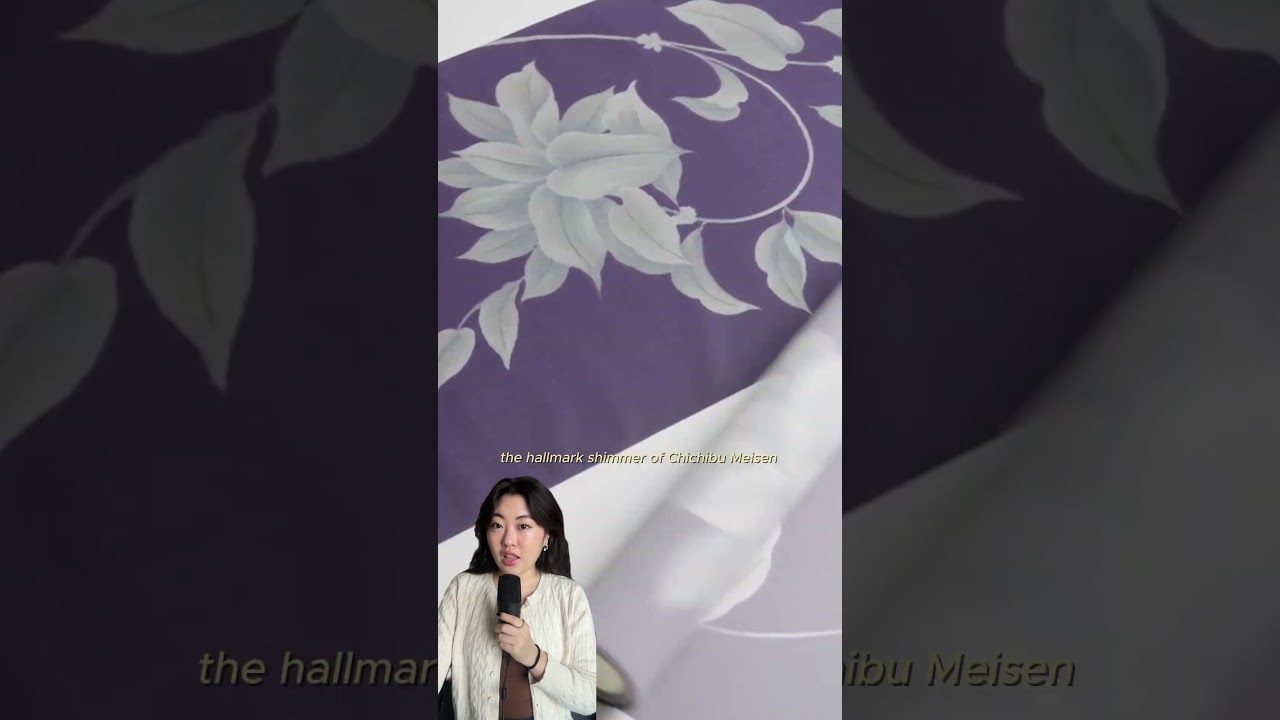
The true transformation came in the late 1800s, when local weavers developed hogushi-nassen , or the “disassembled print” method. In this process, silk threads were loosely woven to hold their shape, then stenciled and dyed with patterns. After drying, the threads were separated and rewoven into cloth. This technique created designs that appeared on both sides of the fabric and produced a soft, shifting glow that changed with the light, the hallmark shimmer of Chichibu Meisen. Its reversible weave also made it easy to remake and reuse, perfect for a time when nothing was wasted.
Affordable and quick to adopt new patterns, Meisen became the symbol of modern womanhood, reflecting both Japan’s artistry and global design influences.
A century later, Chichibu Meisen still shimmers between light and fabric, just as it did when it first turned Japan’s streets into a living runway.
Craft Chronicles reaches people who care about how things are actually made.
Sources
- www.youtube.com/watch?v=kLj19a1DPiY
- www.youtube.com/watch?v=DKyKVKj6ilI
- www.youtube.com/watch?v=FCNJQRbAx8M
- kogeijapan.com/locale/ja_JP/chichibumeisen/
- www.meisenkan.com/chichibumeisen/
- waknot.com/local/1709
- irohatori.com/秩父銘仙/
- isilk.jp/pickup/4199/
- kogei-japonica.com/media/crafts/chichibu-meisen/
- www.jstage.jst.go.jp/article/silk/29/0/29_13/_pdf/-char/ja