EP.62 · Senko Hanabi · Nationwide
Japan’s Most Delicate Summer Bloom
Craft details
- Craft
- Senko Hanabi線香花火
- Material
- Other
- Region
- Nationwide
Japan has a long history with fireworks, but none are as intimate as Senko Hanabi. Originating in the late Edo period, they were first crafted using matchlock gunpowder-making techniques introduced from abroad. Once affordable only to the wealthy, they soon spread to the general public and became a cherished summer pastime.
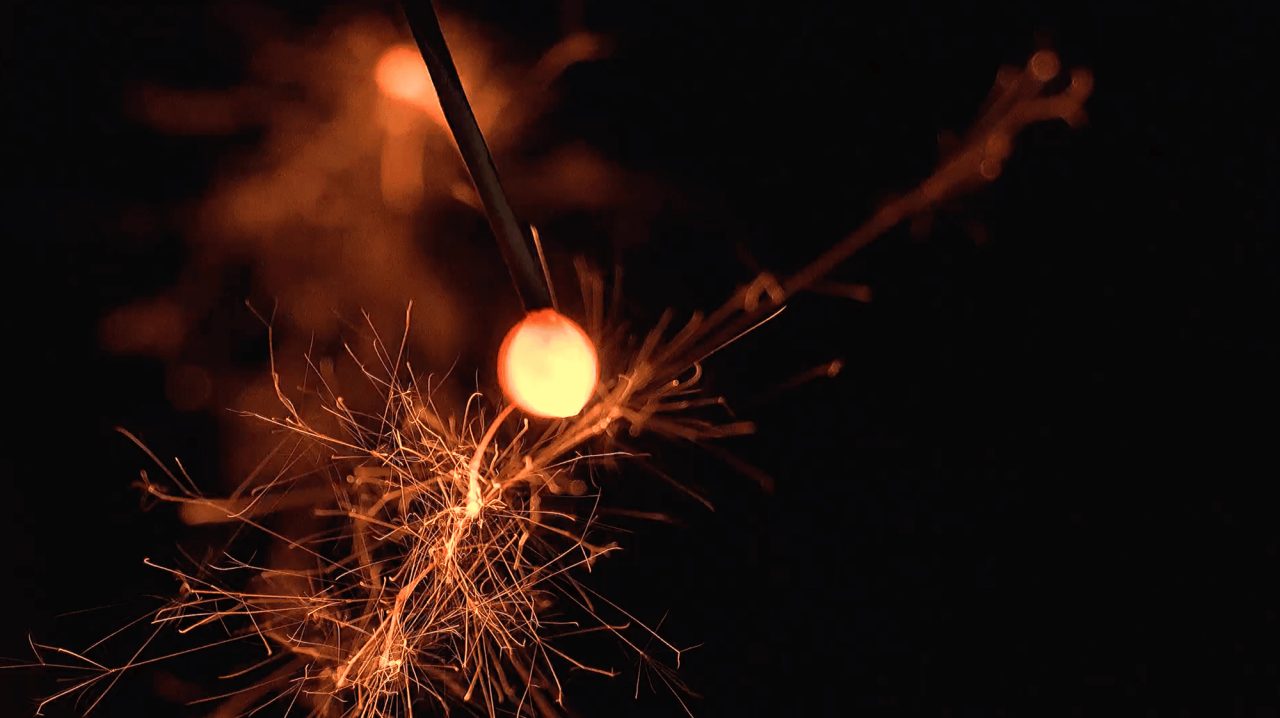
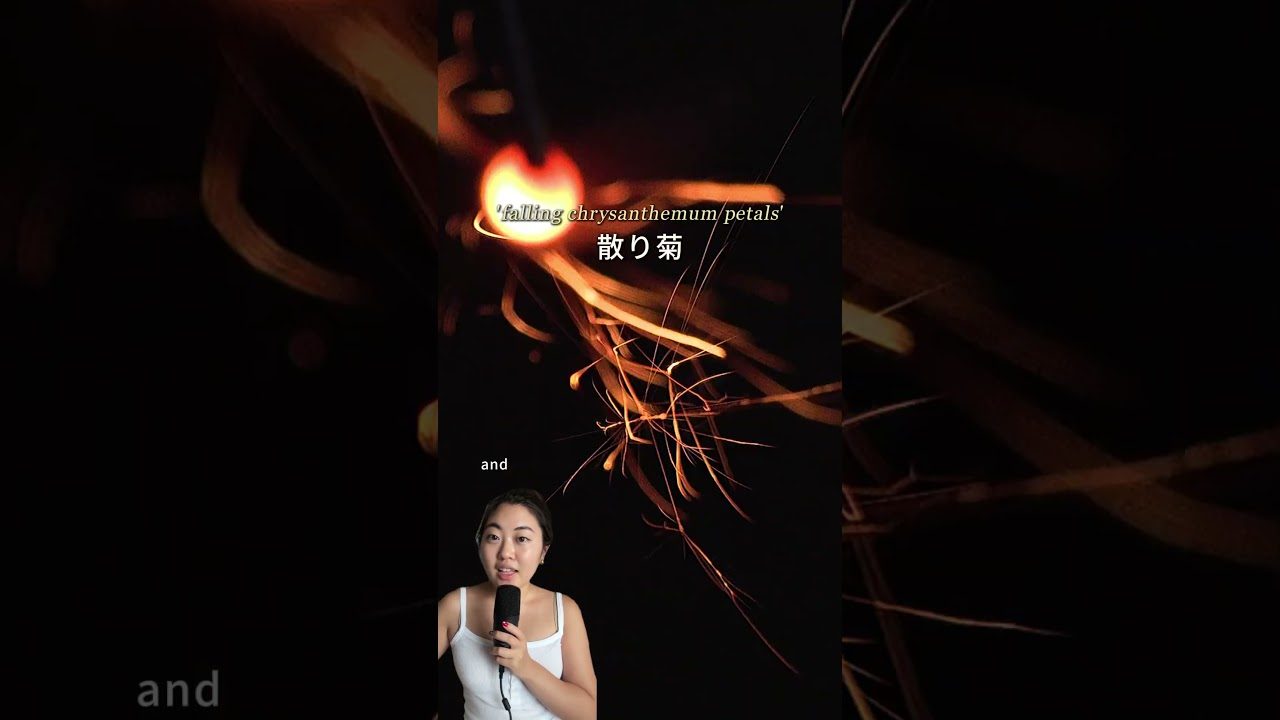
When lit, the flame moves through four poetic stages: Tsubomi (蕾, bud), a small fireball forming on the tip; Botan (牡丹, peony), bursts of tiny sparks; Matsuba (松葉, pine needles), vibrant scattering sparks; and Chiri-giku (散り菊, falling chrysanthemum petals), when petals of fire flicker out.
Senko Hanabi are made with finely ground gunpowder from a precise mix of pine soot, sulfur, and charcoal. Each is measured to exactly 0.08 grams, just enough to form a perfect molten ball without bursting too soon. Once measured, the powder is wrapped in hand-twisted washi paper stems, a skill requiring years of steady-handed practice.
Today, only two makers in Japan still produce Senko Hanabi that are 100% domestically made, preserving a craft that blends chemistry, dexterity, and patience.
Craft Chronicles reaches people who care about how things are actually made.
Sources
- www.youtube.com/watch?v=jxKfYtH8vPI
- www.youtube.com/watch?v=ivHob9CdyUw
- www.youtube.com/watch?v=ZwqxrJumCe4
- www.youtube.com/watch?v=lMtdPmzl-lo
- www.harima.co.jp/hq/legendary_technology/124/
- rkb.jp/contents/202307/173011/
- intojapanwaraku.com/rock/culture-rock/19631/
- thecovernippon.jp/20170628_tanabata/
- chienotomoshibi.jp/yamagata/
- www.rakuten.ne.jp/gold/realjapanprojectstore/iframe02/tsutsuitokimasa/brand_tsutsuitokimasa_r.html
- kaoritotabishite.com/kaori6/
- www.sci-museum.jp/wp-content/themes/scimuseum2021/pdf/study/universe/2018/09/201809_04-09.pdf
- aminaflyers.amina-co.jp/list/detail/1231
- w.hanabiya.co.jp/column/column2.html